@nvidia · via @nvidianewsroom
Jensen Huang resigns as NVIDIA CEO
CFO Colette Kress takes over on an interim basis as the board begins a search for a successor.
NVIDIA's board said Huang stepped down as president, CEO and board member with immediate effect. Executive vice president and chief financial officer Colette Kress will serve as interim CEO while retaining her existing roles. The board will consider internal and external candidates and has named Harvey C. Jones its first chair.
@GoogleDeepMind
Google launches Gemini 4 Hydrogen
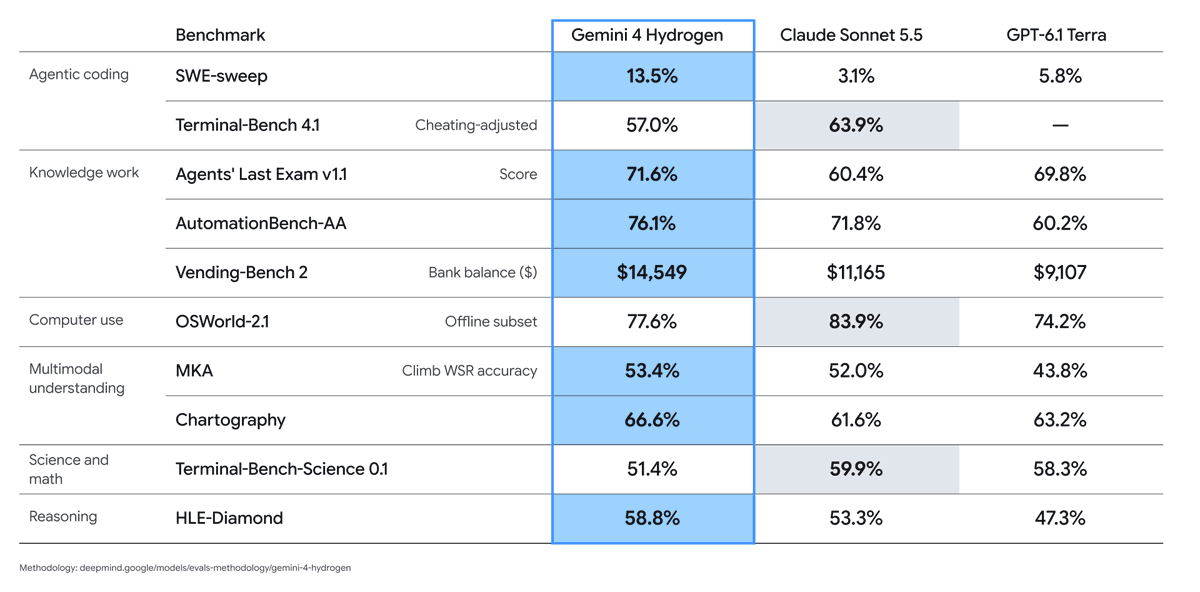
The model is built for everyday coding, multimodal tasks and agent workflows. Google is rolling it out across the Gemini API, AI Studio, the Gemini app and Search. Google reports that it completed tasks 2.5 times as fast as Gemini 3.8 Flash at its default high thinking level. The API supports a one-million-token context window and costs $1.50 per million input tokens and $7.50 per million output tokens.
@AnthropicAI
Anthropic details its planned IPO
Anthropic says it has filed a registration statement with the U.S. Securities and Exchange Commission. Subject to regulatory clearance and other conditions, the company expects to price the offering on November 18 and begin trading on Nasdaq under the symbol ANT on November 19, Eastern Time.
@huggingface · via @thinkymachines
Thinking Machines releases Inkling 2 Small weights
The weights are available on Hugging Face under Apache 2.0. The mixture-of-experts model has 594 billion total parameters and activates 17 billion at a time. It accepts text and images and returns text. The model card lists NVFP4 and MXFP8 checkpoints.
@ClaudeDevs
Self-hosted Claude Managed Agents enters private beta
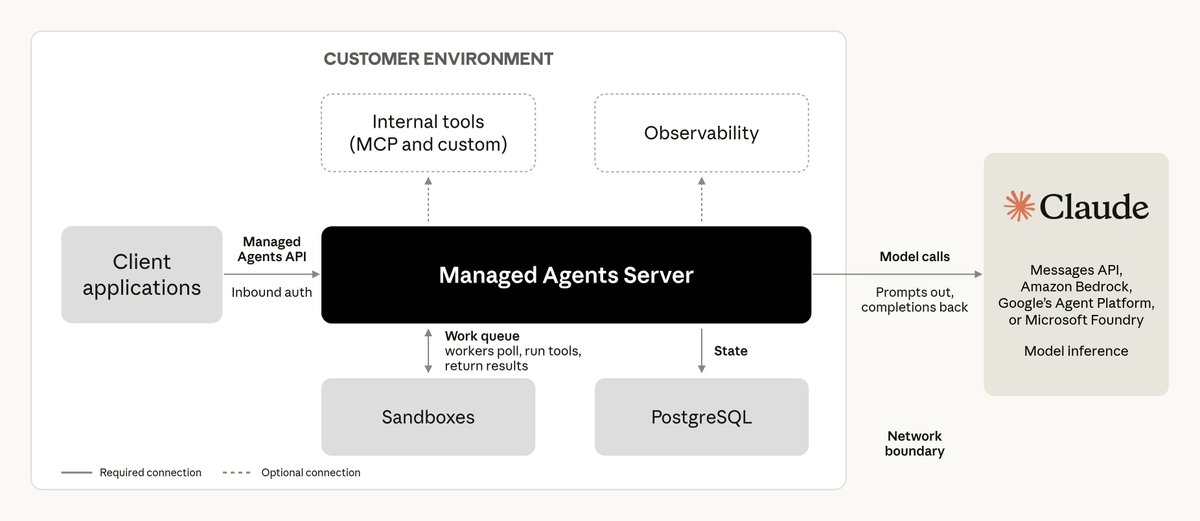
Selected developers can run the agent harness, sandboxes and session history in their own cloud or on premises. They can also choose where Claude inference requests are sent.
@runwayml
Runway adds 3D model generation and export

Users can generate textured models from a prompt or photos with Tripo H3.1, or upload a GLB. They can capture a chosen angle as a reference for a new image or video and export the model as a GLB.
vLLM tunes DeepSeek inference on Rubin
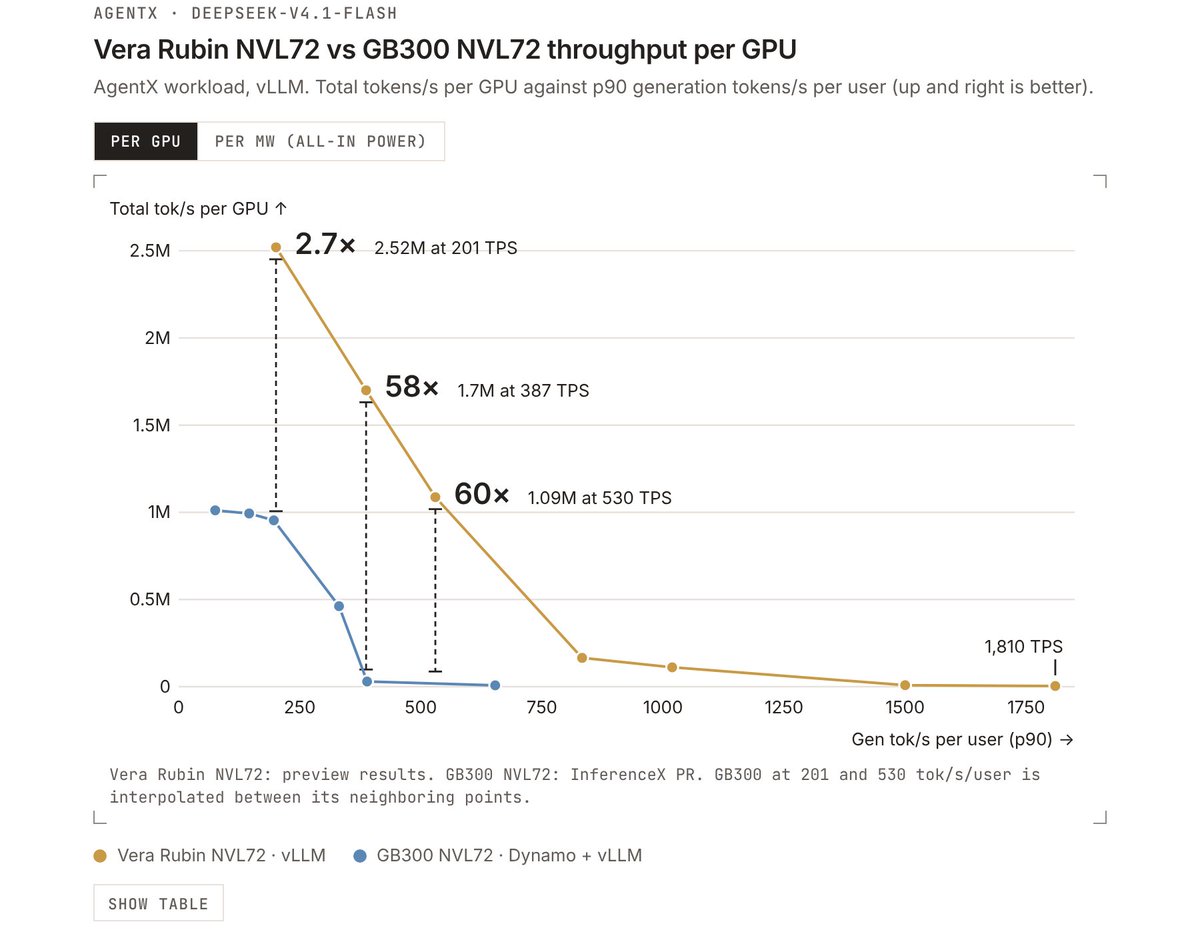
The vLLM team reported AgentX results for DeepSeek-V4.1-Flash on Vera Rubin NVL72. Peak throughput was 2.7 times the GB300 NVL72 result. The reported 58-fold difference came from a separate point on the performance curve at a high per-user generation rate.
SGLang-Neuron enters public preview
SGLang and AWS Annapurna Labs developed a native PyTorch plugin for AWS Trainium. Developers can use the same SGLang interface to serve models on Trainium and generate rollouts for reinforcement learning.
vLLM adds day-one support for Inkling 2 Small
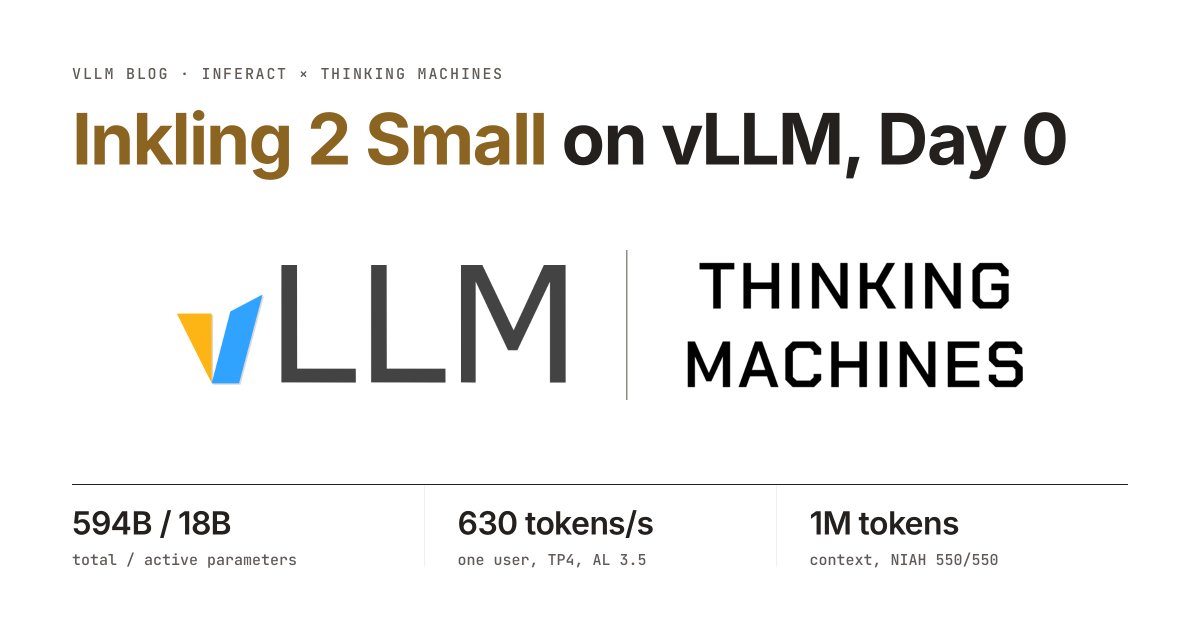
The team published a deployment guide covering quantized experts, text and image inputs and up to one million tokens of context. vLLM reports up to 630 tokens per second per user in its tensor-parallel configuration with four partitions.
vLLM-Omni reports native 4K generation in 0.87 seconds
The team measured 0.87 seconds for a 4K generation with MiniMax H3-Image on Vera Rubin. A separate throughput test recorded 6,115 images per hour across four GPUs.
SGLang outlines its 1.0 stability work
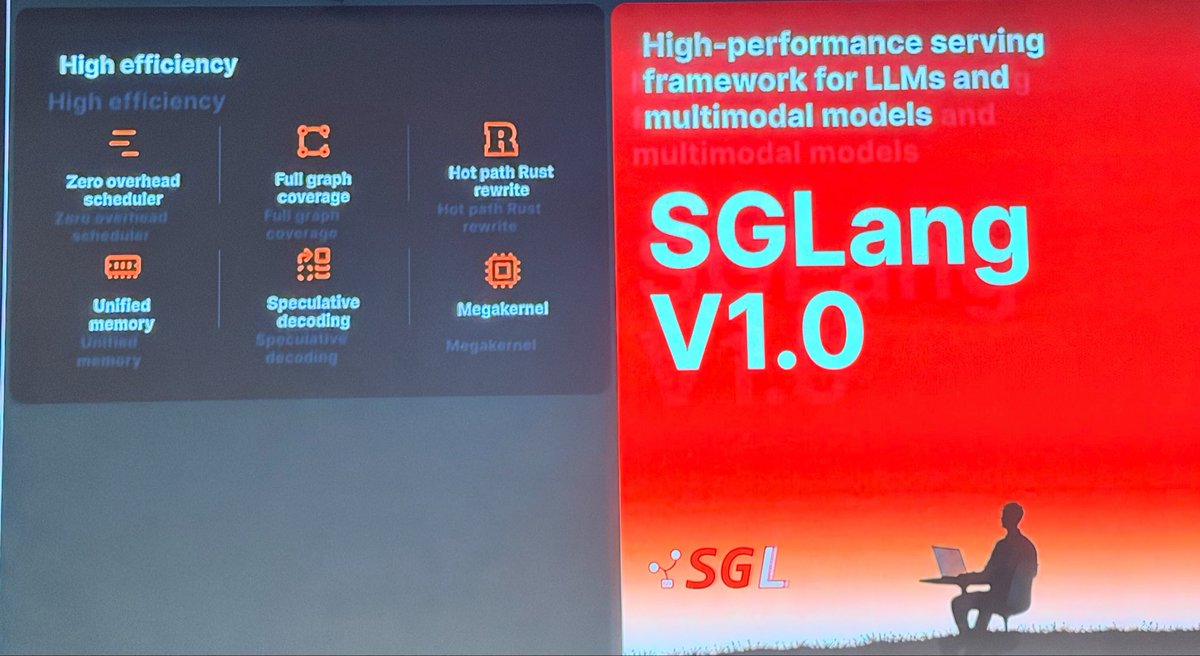
An attendee shared news of 1.0 from the summit as maintainers opened the release tracker. The project is focusing on stability, clearer configuration errors and a compatibility policy for the 1.x series.
SGLang updates its accelerator roadmap
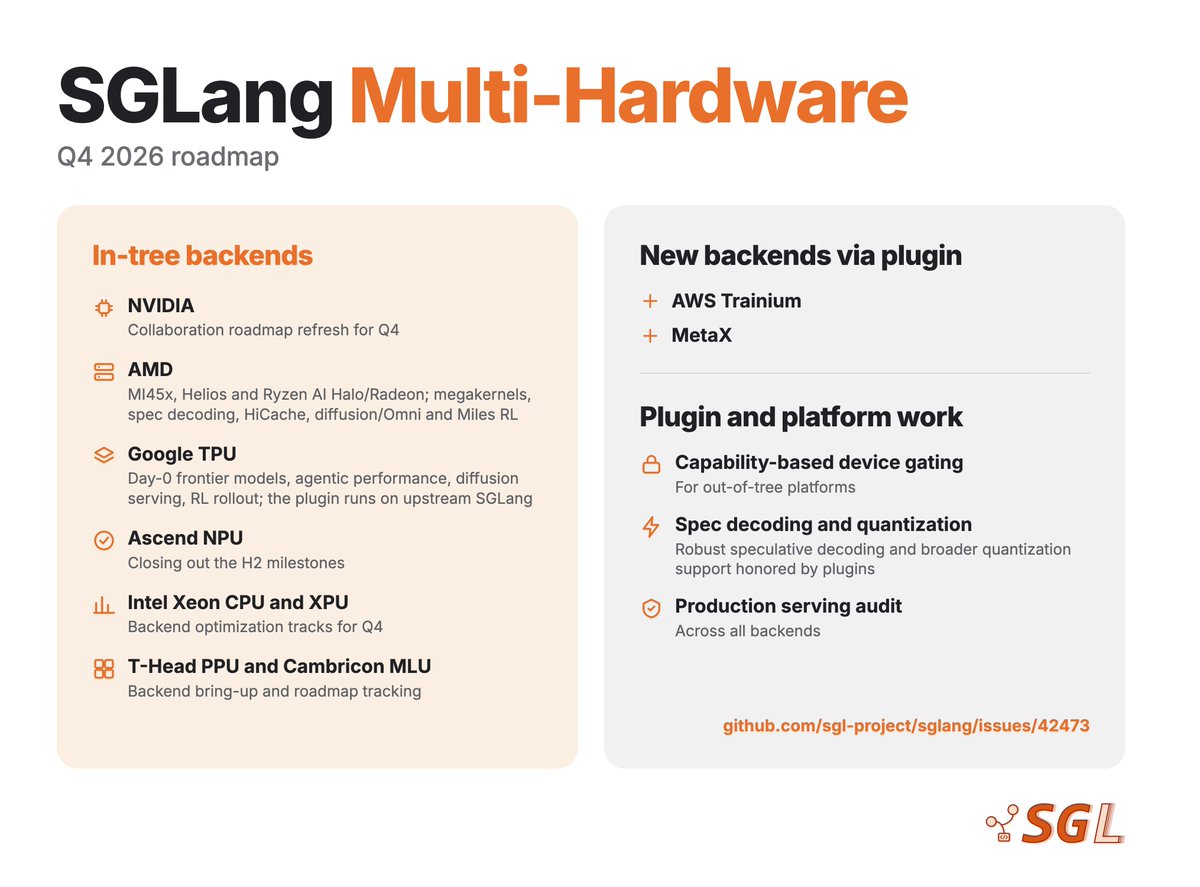
The team says SGLang now runs on more than ten accelerator families. The roadmap establishes plugins as a supported path for backends outside the main repository and updates priorities for NVIDIA, AMD and other hardware.
SGLang launches an inference consortium
The project announced the SGLang Consortium, bringing together teams involved in inference-stack development, release testing and production deployments.
Hedra offers on-demand B300 instances

Hedra announced on-demand NVIDIA B300 instances and says they can start in seconds. Startup time depends on the service and resource availability.
NVIDIA opens Alpamayo 2 Edge weights
The model card lists a two-billion-parameter vision-language-action model designed for DRIVE AGX Thor. It generates driving trajectories and causal explanations. NVIDIA released the weights under OpenMDW 1.1.
OpenAI introduces two Daybreak security products
Defense Factory sends findings from security tools to agents that investigate issues and prepare patches for engineers to review. Daybreak Red Team tests systems for vulnerabilities and can feed its findings into the same workflow.
Replit Agent adds purchasing and Google Ads
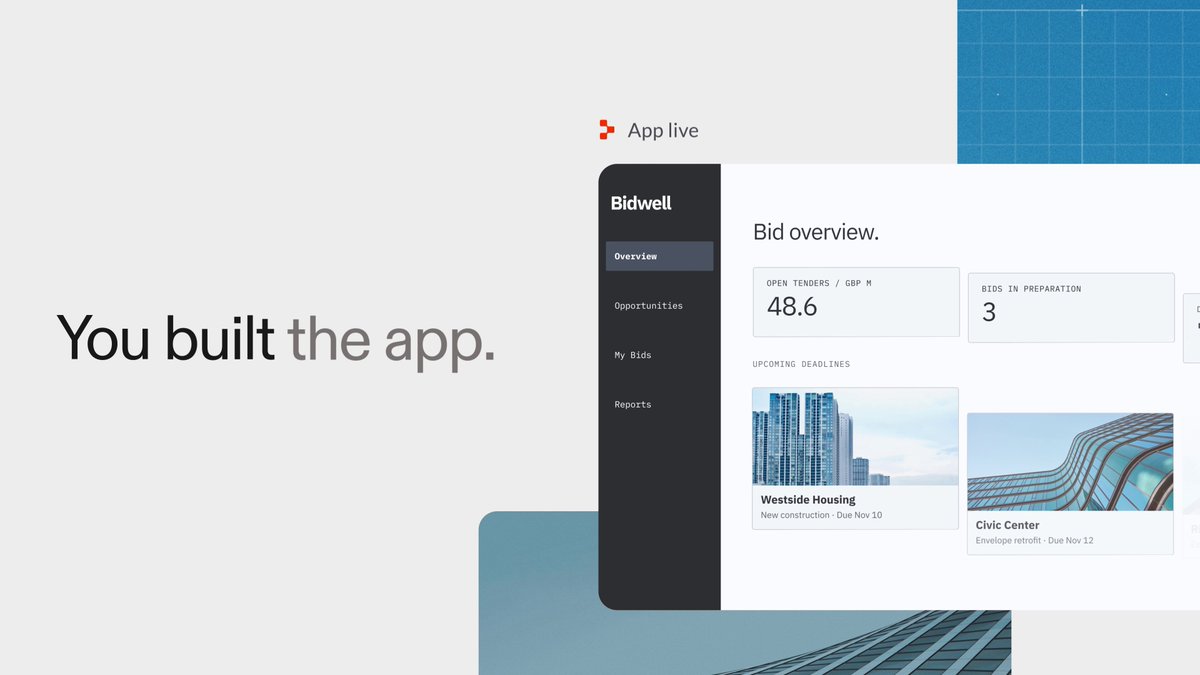
The agent can prepare an order on a merchant's site. The user approves the final total through Stripe Link, with Visa supporting the payment. Users also approve ad campaigns before launch. Purchasing starts with U.S. Core and Pro users, and ads are available to Pro users worldwide.
Vercel releases UI SDK for coding agents

The open-source library offers composable interaction behaviors such as popups, selection and typeahead. Coding agents can combine the behaviors they need to build components for a particular project.
v0 adds Meta's Astryx design system

When a user selects Astryx, v0 builds with the design system's components, patterns and templates in context. Astryx joins several other options listed on the v0 design systems page.
Claude Meetings enters beta on Google Meet
Eligible Team and Enterprise users can add Claude as a visible participant. It takes notes, answers questions and creates artifacts such as documents, whiteboards and slides during the call.
Perplexity releases Decider v1.3 weights
Decider v1.3 and its Flash variant have downloadable weights. The new locate feature returns matching passages and their character positions. It can run alongside classification and scoring questions on the same input.
Perplexity makes browser agent activity visible
Perplexity says its browser agent in Computer and teammates now shows its work in progress. Users can watch and take over the browser when needed.
Expo launches cloud simulators for agents
Paid plans can start a cloud iOS Simulator or Android Emulator on demand. Agents can install and drive apps, with recordings, screenshots and logs available for review.
Cursor adds Hydrogen and publishes its benchmark results
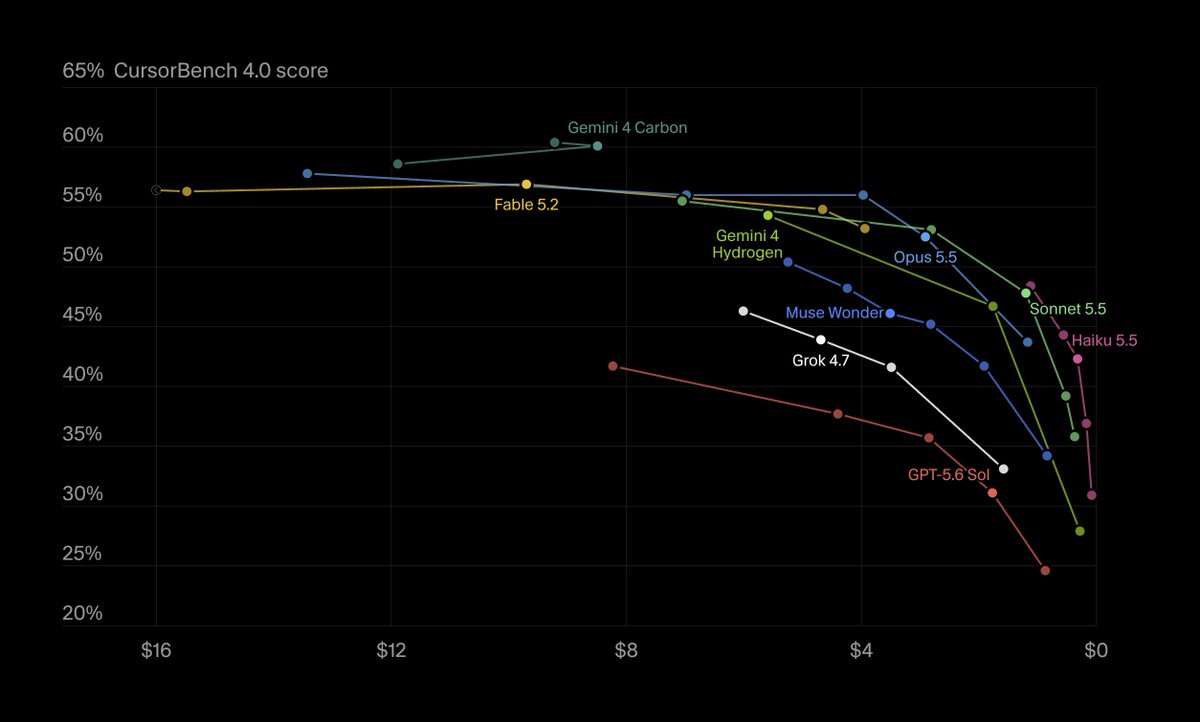
Cursor reports that Gemini 4 Hydrogen scored 54.3% at its default effort on CursorBench, compared with 39.6% for Gemini 3.8 Flash.
Grok Bot adds Tailscale access
The Grok Bot team says users can connect a bot to a personal or company tailnet to reach private MCP servers and internal tools.
Kody offers a shared MCP endpoint for team agents
Kody describes a hosted setup for connecting multiple providers' accounts and credentials to one MCP service, where team agents can access authorized infrastructure.
Claude developers discuss measuring upgrade costs

Anthropic's developer team shared a video about releasing new API models, adapting the agent harness after an upgrade and measuring cost per completed task.
World Labs opens Atlas to the public
Atlas generates or reconstructs explorable 3D scenes from images. World Labs also offers apps and API endpoints for workflows such as reconstructing new views, shaping a scene and converting Gaussian splats to meshes.
Recraft Studio adds four MiniMax H3 models

Two image models generate 2K or 4K stills, and two video models make clips lasting four to 15 seconds. Creators can generate reference frames and then animate them in the same workspace.
PixVerse adds Seedream 5.5
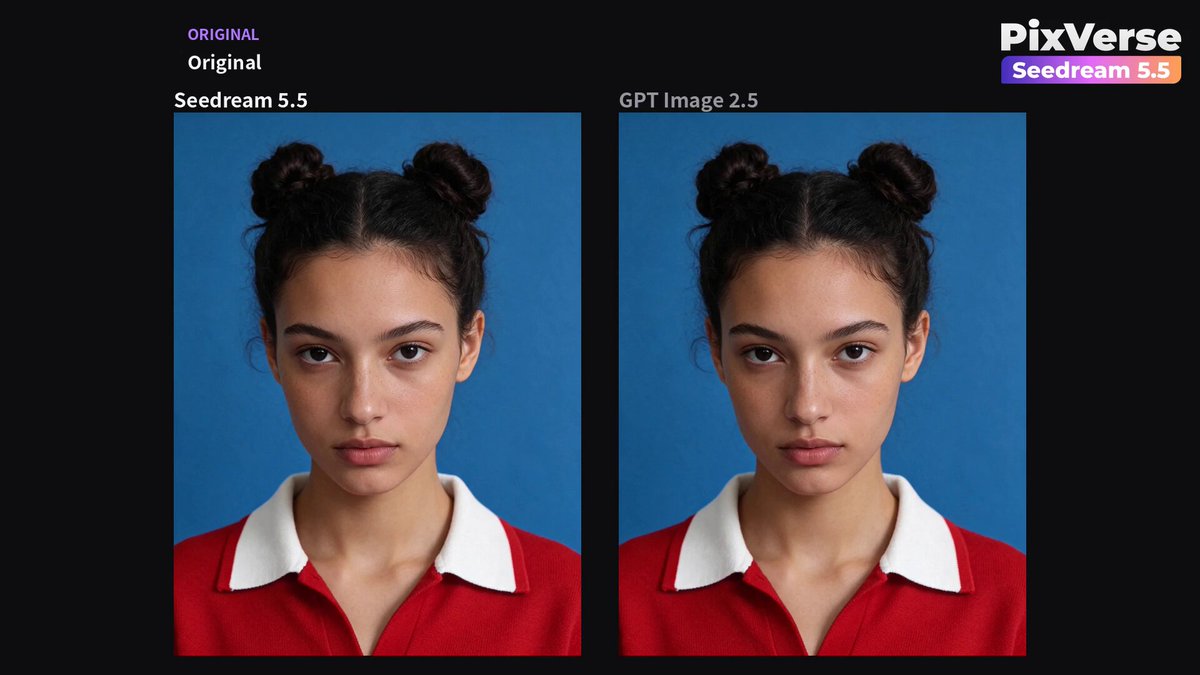
In a product demo, PixVerse compared how Seedream 5.5 and GPT Image 2.5 preserve a face when accessories and expressions change.
Higgsfield shows a Seedance 2.5 chase in three formats
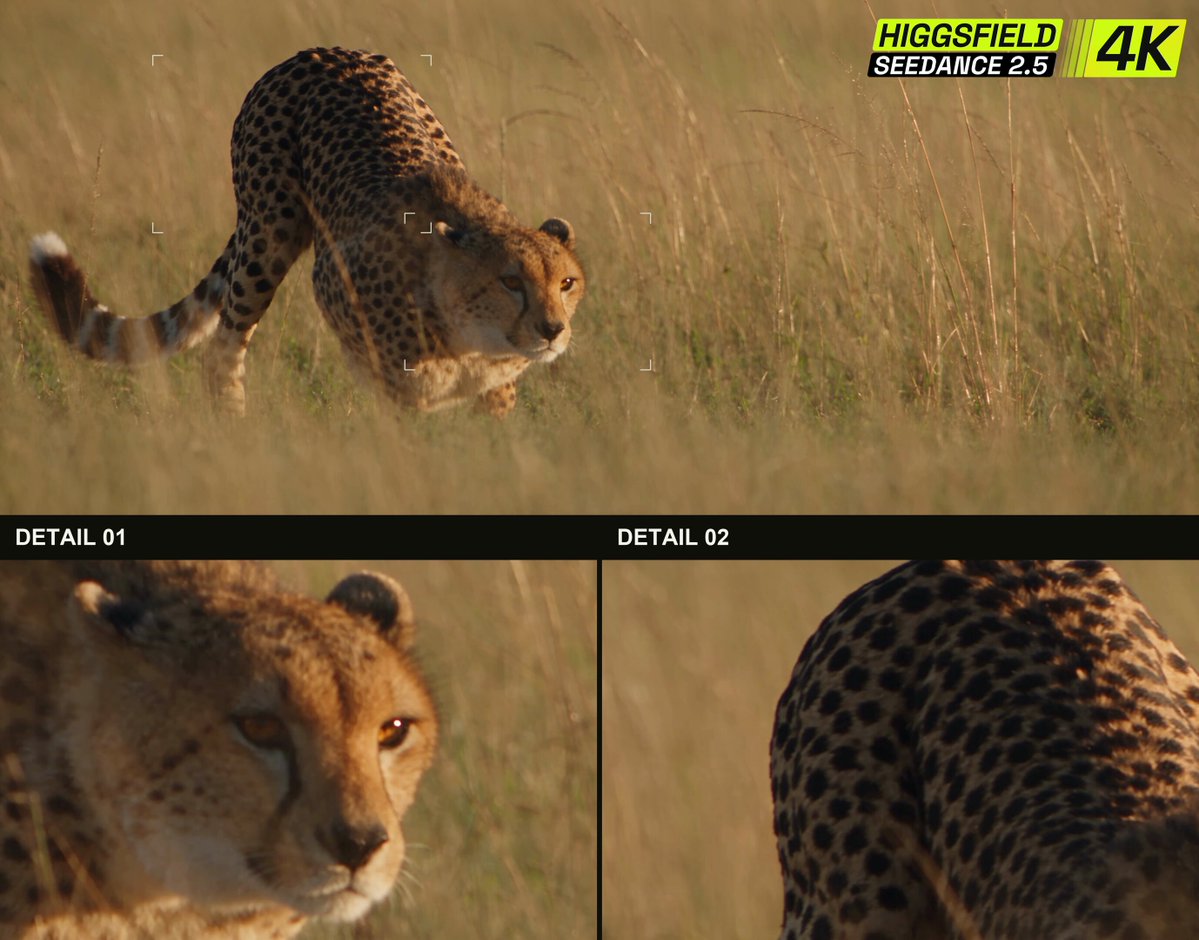
The platform shared a 4K chase sequence that shows how the same fast-moving scene looks across three aspect ratios.
Vidu uses a Rococo painting to demo Q4 Preview

Vidu shared a single-shot video from Q4 Preview, using Jean-Honoré Fragonard's The Swing as its visual reference.
LTX API offers a video reframing tool
LTX introduced Reframe for adapting a shot to square, portrait and widescreen formats for different delivery channels.
Adobe demos adding Firefly objects to live footage
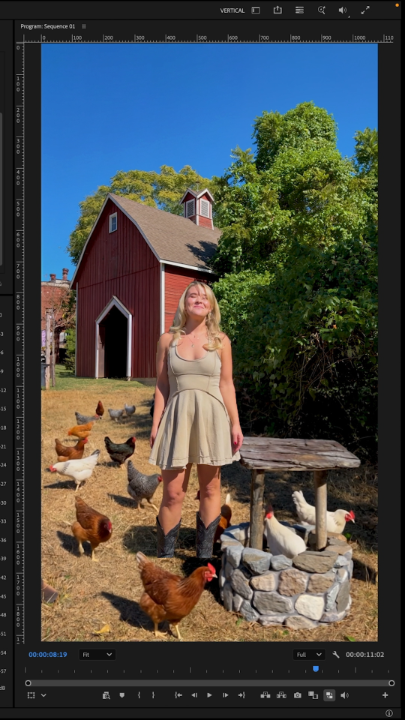
Adobe shared a tutorial by immadsal showing how to generate objects in Firefly and composite them into live-action footage in Premiere.
Developer builds a browser action game with Fable 5.2

The creator released a playable WebGL 2 demo. They credit Fable 5.2 with helping produce the assets, environments and animations, and packing the game into a single HTML file of around 30 MB.
OWE-Bench tests long-horizon engineering
Mercor published 26 tasks across software, physical engineering, machine learning and scientific computing. It reported an average score of 54.6% for Fable 5.2 and 44.2% for GPT-6 Astra. An electric aircraft design task has its own scoring rules.
ParseBench-2 scores parsing errors by severity
LlamaIndex expanded the page-level test set and added forms. The scoring reflects the impact of each error, so a wrong number in a table can carry a larger penalty than a formatting change that preserves the content.
SteerDistill helps low-bit agents recover from failures
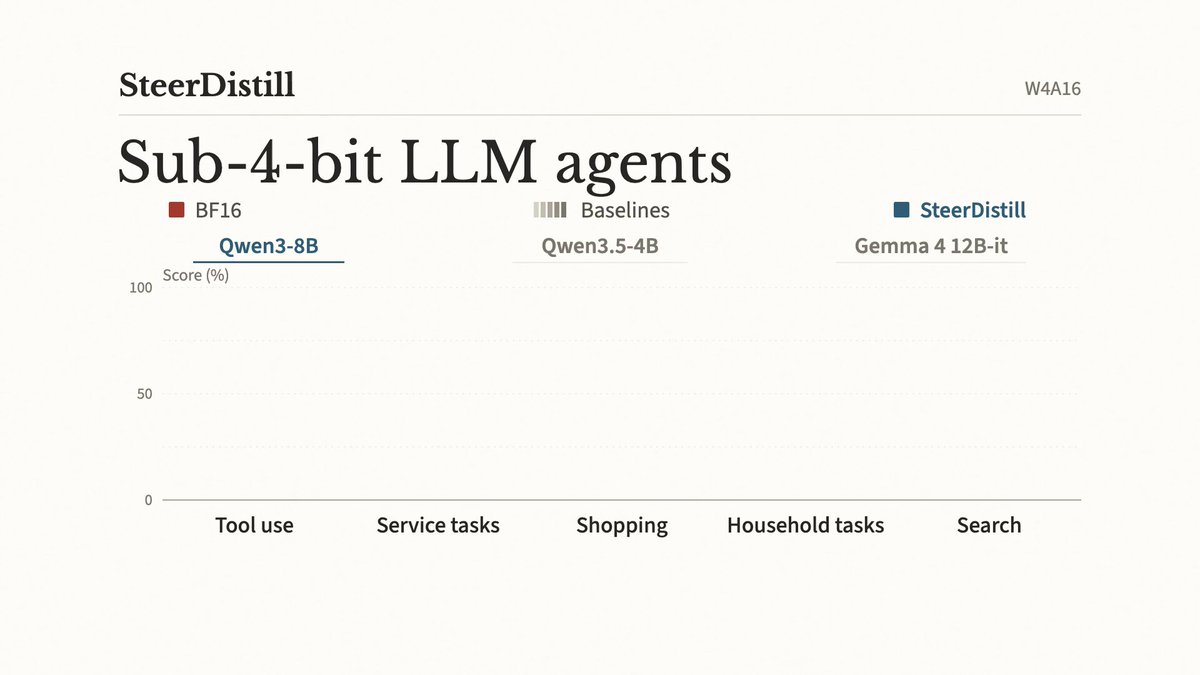
The paper uses a frozen BF16 teacher to guide a quantized student through corrections and uses execution feedback to select revisions. The student is then trained to run independently.
TOME-Math organizes proof data from textbooks
Featured on Hugging Face Papers, the study extracts about 380,000 records from 2,118 university textbooks, preserving chapter order, proposition-to-proof links and source provenance. The authors plan to release the corpus.
Meta releases the XRStereo dataset
The synthetic stereo videos use multiple virtual camera rigs. The data accompanies the StereoSplat work on reconstructing scenes from stereo video and synthesizing new views.
Marin team publishes its 535B-A23B architecture notes
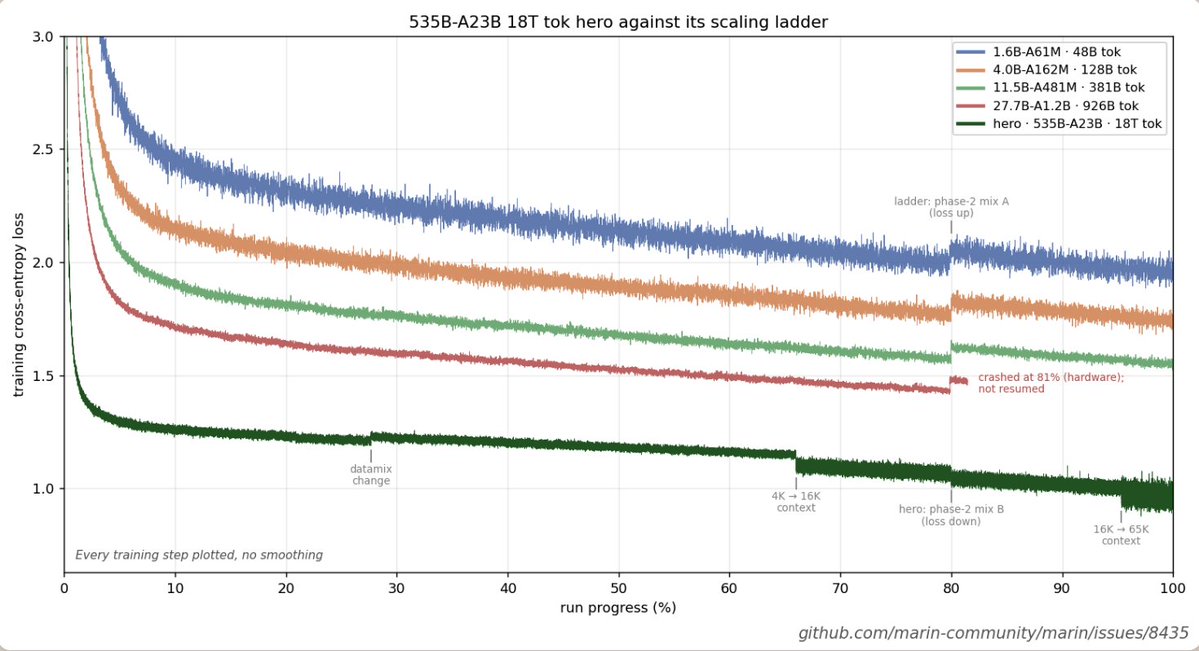
Open Athena describes experiments and trade-offs behind decisions such as model size and token dropping during expert parallelism.
VoxMel explores zero-shot speech synthesis

VoxDance Lab shared its VoxMel work and linked the models. It uses wavelet-factorized autoregressive mel-spectrogram modeling to synthesize speech.
Optimizer rankings can change with batch size
The authors show that the relative performance of optimizers can reverse as batch size changes, even when each optimizer is tuned separately at each size.
WeirdML v2 releases legacy run data
The benchmark's creator shared about 8 MB of legacy results, with iteration-level data covering 162 model variants.
Adaption expands training sets from examples
Expand generates additional samples based on examples and their topics and domains. Co-founder Sara Hooker says some workflows can grow 20 examples into 100,000, with scale and speed depending on the task.
Wharton opens its Primer teaching simulator
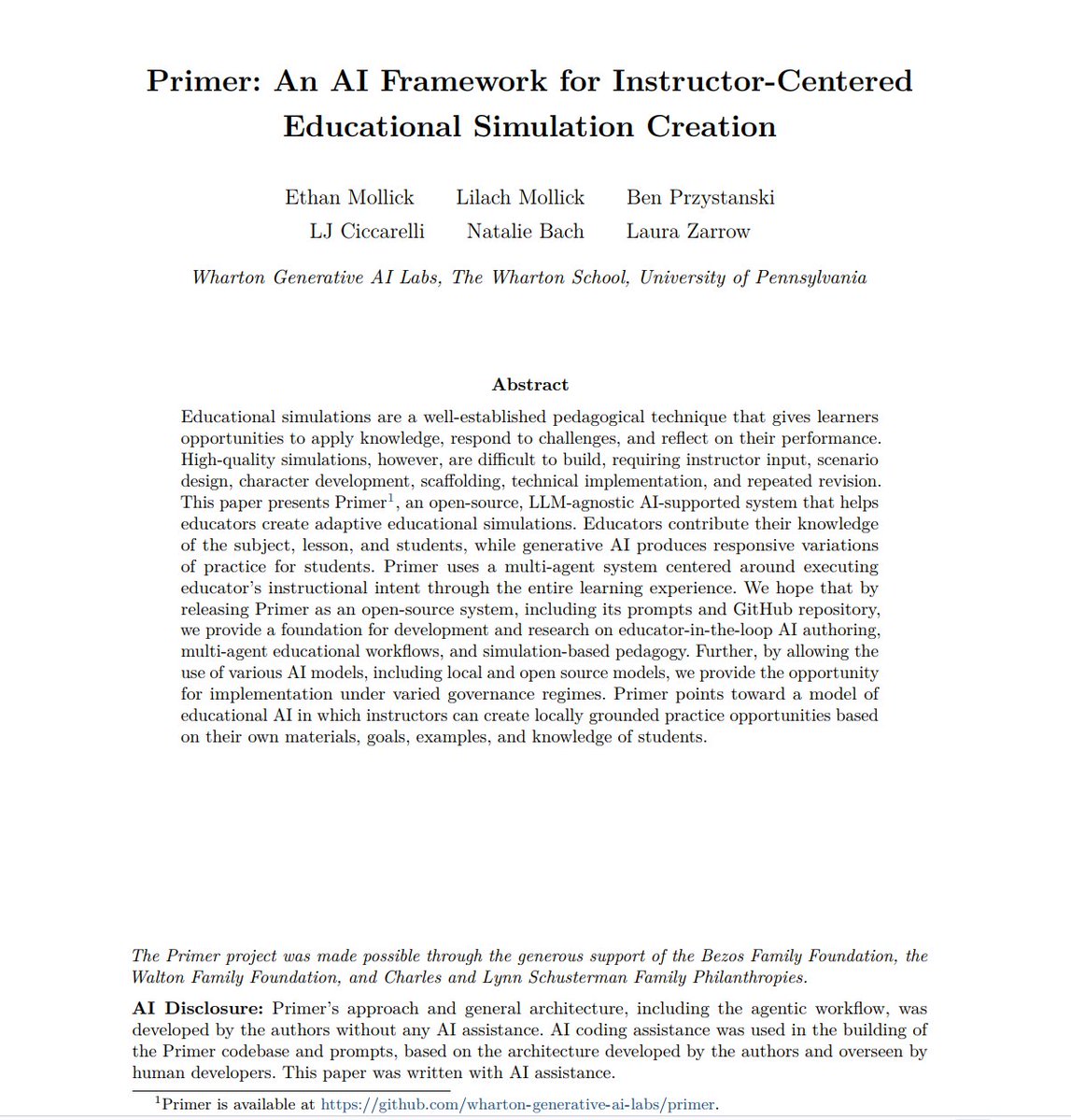
A teacher describes the material, student level and learning goals, then reviews the generated design. Agents build the simulation, and students practice through role-play or explanation and receive feedback.
Chollet on designing conversational AI tutors
The point of homework is learning to think.
François Chollet argues that conversational tools can make personalized tutoring more widely available and should give learners a chance to practice reasoning.
Developer demos MOSS-Image on an iPhone
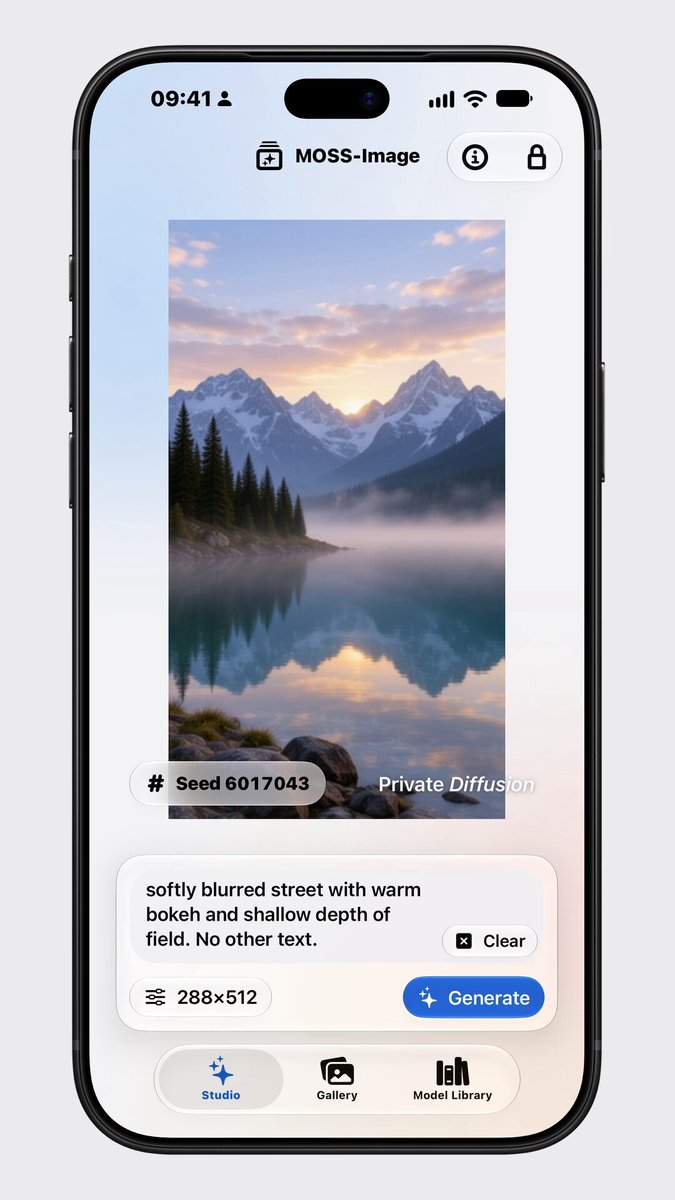
A developer used a four-step LoRA to run MOSS-Image-SFT on an iPhone 18 Pro Max. They reported a generation time of 7.02 seconds for the demo.
A Hugging Face Space demos ERNIE 5.5 Flash
The demo sends a short prompt to Baidu's model and returns a single HTML file. Users can select a film, game, 3D scene or report as the output.
Creator uses an agent to remix a virtual world

A creator cloned a scene and asked Fable 5.2 for a shot of a rider crossing a canyon toward a beach. They say the model found a horse animation and changed the shader.
OpenAI shares a community Codex workflow

OpenAI's developer team highlighted Lara Avcı's use of Codex to build sites and games for European tech founders. It says the projects attracted more than 30,000 visitors in under four days.
Sebastian Raschka discusses chain-of-thought monitoring
Raschka raises a training trade-off: directly optimizing the reasoning trace may change how useful it is for observing the model's behavior.