Inkling 2 Mini joins the local model ecosystem
LM Studio now supports Thinking Machines’ looped transformer. The official model card lists 26.4B total and 3.4B active parameters, with middle layers run three times. Weights use Apache 2.0. The official checkpoint is about 20GB and recommends at least 32GB on Apple silicon; LM Studio’s roughly 18GB figure is not a universal total-memory requirement.
Shared layers add computational depth
@woosuk_k shares Eric Tang’s architecture notes: 24 layers, with layers 6–17 repeated three times. The official card describes 48 layer applications per token. Including repeated passes gives 5.4B effective active parameters, a different measure from the single-pass active count.
Community experiments shrink the model further
Teortaxes shares shinboson’s quantization experiment. Its author reports 5.4GB and 8.9GB variants retaining 91.2% and 96.8% of original performance. The captured post lacks the full evaluation setup, so these are reported experimental figures rather than universal retention rates.
A custom inference engine on one RTX 3090
Developer superalesha reports 129.5 tokens per second for Inkling 2 Mini on a single RTX 3090, alongside a 344K-context configuration. Shared by Teortaxes, the result needs its quantization, batch size and measurement details before comparison with standard deployments.
Compare looping against matched budgets
A shared discussion of SMELT asks whether looped transformers improve performance after matching compute and parameter budgets. The useful distinction is between architectural gains and extra inference work; the captured excerpt does not establish a numerical advantage.
Hugging Face refreshes its default home feed
Hugging Face shares a product update bringing trending model releases into the default logged-in homepage, making model discovery part of the everyday entry point.
Model downloads motivate an in-house CDN
Thom Wolf says AI download traffic changed the economics of conventional CDN delivery, and Hugging Face has operated its own CDN since the summer. The captured excerpt truncates throughput figures, so no traffic total is inferred.
LoRA tuning for a protein-design model
Hugging Face shares a Diffusers example for LoRA fine-tuning NVIDIA’s RFD4-Proteina protein-design model. The example mentions rank-32 adapters; it does not establish experimental validation of resulting proteins.
An experimental adapter for Qwen3.8-27B
Clement Delangue shares a community super-adapter for Qwen3.8-27B. The available excerpt identifies it as an experimental model project without enough evaluation detail for a capability ranking.
Amuse, built by Replit Missions, is open source
Amjad Masad announces that Amuse, a project built by Replit Missions, is open source. The announcement concerns this project, rather than Replit’s entire product or underlying models.
Replit Desktop brings agents to local work
Replit’s desktop introduction emphasizes working with files and tools where users already keep them. The post highlights a desktop workflow; exact permissions and supported integrations depend on the product documentation.
Antigravity resets Gemini quotas
Sundar Pichai shares a team update resetting Gemini quotas in Antigravity. The team attributes more work within a quota to caching improvements; the announcement does not promise unlimited usage.
Perplexity’s CEO shares Neon feedback
Arav Srinivas says he is using Gemini Neon with high reasoning in Perplexity Computer and has moved some Teammates to it. His praise for speed and intelligence is personal product feedback, not an independent benchmark result.
ParseBench-2 focuses on tables and layout
LlamaIndex shares Jerry Liu’s document-parsing feedback on Gemini 4 Neon, emphasizing tables and visual bounding boxes. Full scores are absent from the captured excerpt, so the praise is not generalized to every document task.
More reasoning also means more cost
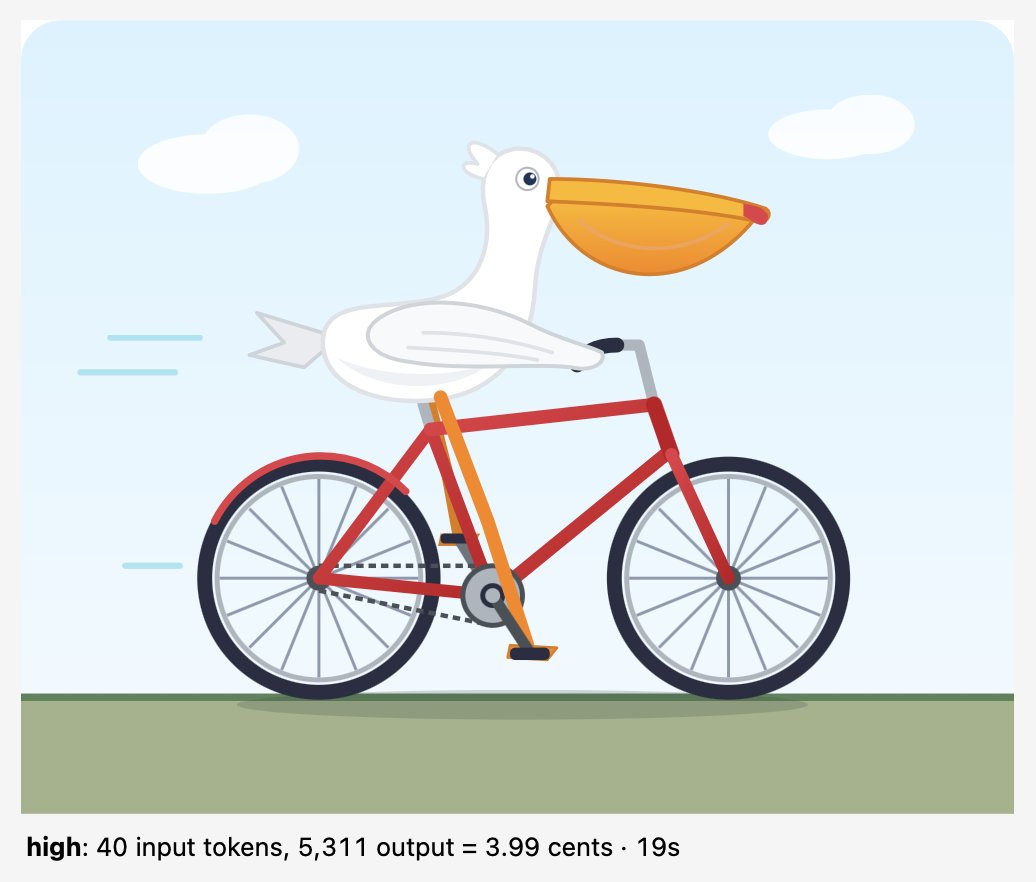
In Simon Willison’s pelican-drawing test with Gemini 4 Hydrogen, high used 5,311 output tokens and cost 3.99 cents; xhigh used 31,477 and cost 23.61 cents. He found a substantial quality difference, within this particular task.
A repair comparison in a complex codebase
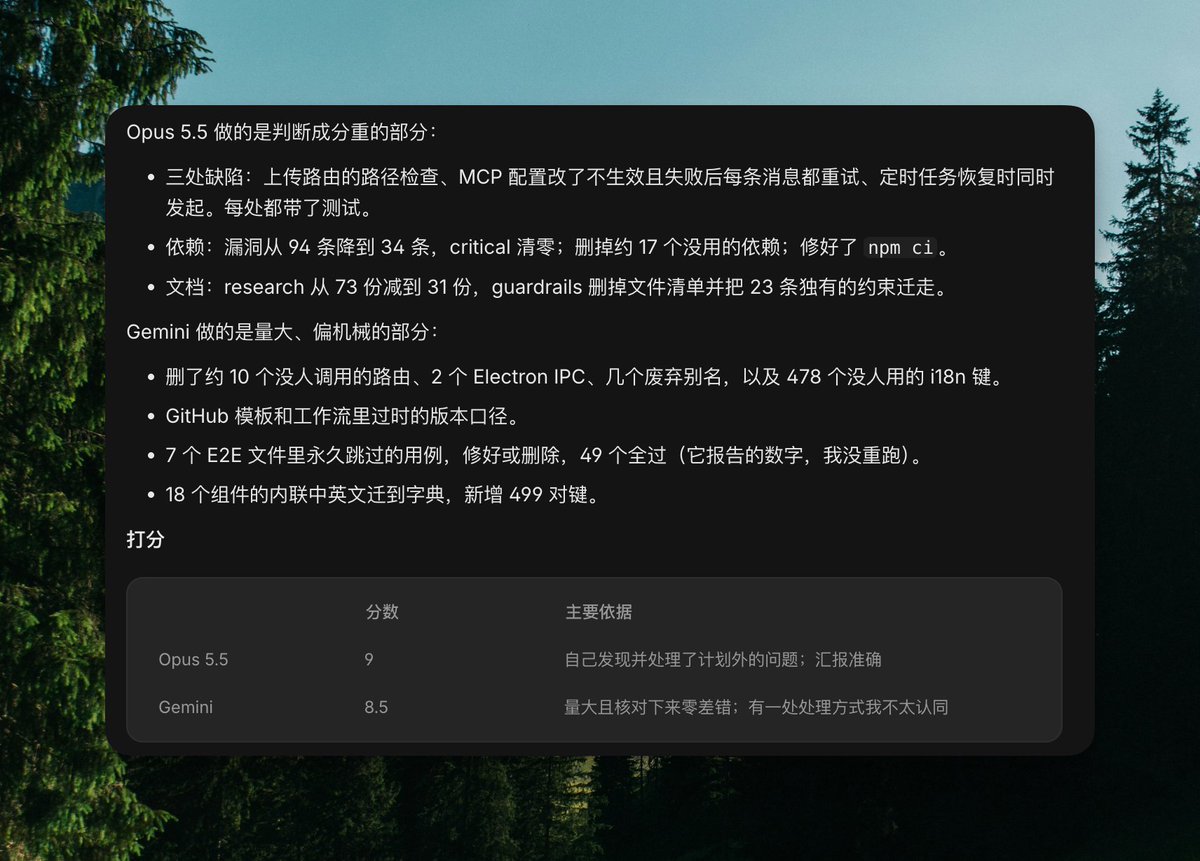
A CodePilot experiment used Fable 5.2 to identify eight issues, then asked Opus 5.5 and Gemini Neon to fix them and Fable to grade the results. Both reportedly performed well, but one repository and model-based grading are not an independent test suite.
Cross-workspace permissions draw feedback
Baoyu reports repeated per-file authorization when Antigravity reads across workspaces and encourages concrete feedback to the team. This is a user-reported interaction problem; the post does not confirm a fix.
A mobile-browser route to Antigravity
The linked site presents Antigravity as Google’s agent development platform. Baoyu suggests signing in through a mobile browser and adding it to the home screen as an alternative way to access conversations, rather than a released native mobile app.
open-artifact stores outputs as local files

The open-artifact project shared by Baoyu is an open tool independent of a particular agent or model. It supports slides, UI, whiteboards, sheets, documents and motion, with local plain-file storage plus editing, comments and export.
Dot calls come to Apple CarPlay
OpenAI Devs shares Romain Huet’s update that Dot can now be called through Apple CarPlay. The post expands a voice entry point without establishing access to every vehicle control.
Agents API shares a Daybreak access update
OpenAI Devs reposts a developer announcement of Daybreak access through the Agents API. The captured text does not fully specify permissions, eligibility or availability, so those details remain unasserted.
Runway reports 38% autonomous PR delivery
Runway cofounder Cristóbal Valenzuela says agents autonomously created, reviewed and shipped 38% of the company’s PRs in October, up from 0.1% in June. This is a reported internal workflow metric, not a claim that all code needs no human review.
Particle emphasizes routing guarantees on OpenRouter
Arav Srinivas shares Particle’s availability on OpenRouter. Its provider promises to respect zero-data-retention requirements and restrict traffic rerouting. These are provider commitments, not an independent audit of data handling.
A developer reports fewer automated AI replies
Pieter Levels says coordinated blocking reduced AI reply bots on his account, allowing him to open replies more broadly. This is personal account feedback rather than evidence that the platform-wide problem is solved.
Large projects distribute code understanding
Baoyu discusses Sean Goedecke’s view that developers in large projects normally understand the parts they own rather than every line. It is an attributed argument about assessing AI coding, not a reason to skip validation.
People remain part of the agent workflow
Baoyu shares a view from Gu Yingjie that people should stay in the engineering loop with agents, supplying context, direction, acceptance checks and feedback. It is a workflow argument rather than evidence of complete automation.
Transparency remains central to safety debates
Lewis Tunstall supports transparency as a foundation for AI safety policy, particularly as models affect economies and jobs. The excerpt is truncated, so specific comparisons among laboratories are not reconstructed.
Autonomous task horizons need a defined scope
Ethan Mollick argues that measuring autonomous work matters while noting that research tasks inside frontier labs represent a particular task distribution. Strong conclusions about autonomous research need the evaluation scope and method.
Researchers question task-horizon charts
Arvind Narayanan shares Ramez Naam’s critique of common charts measuring how long AI can work autonomously. The captured opening establishes a criticism, not a demonstrated refutation of the entire metric.
Chollet sees a broad space of learning methods
There is a vast, extremely diverse space of possible approaches to learning.
François Chollet argues that long-term learning and on-the-fly adaptation admit many approaches, with transformers, gradient descent and token-space reasoning representing one stack. This is an argument for exploration, not proof of a winning replacement.
Open-weight competition creates spillovers
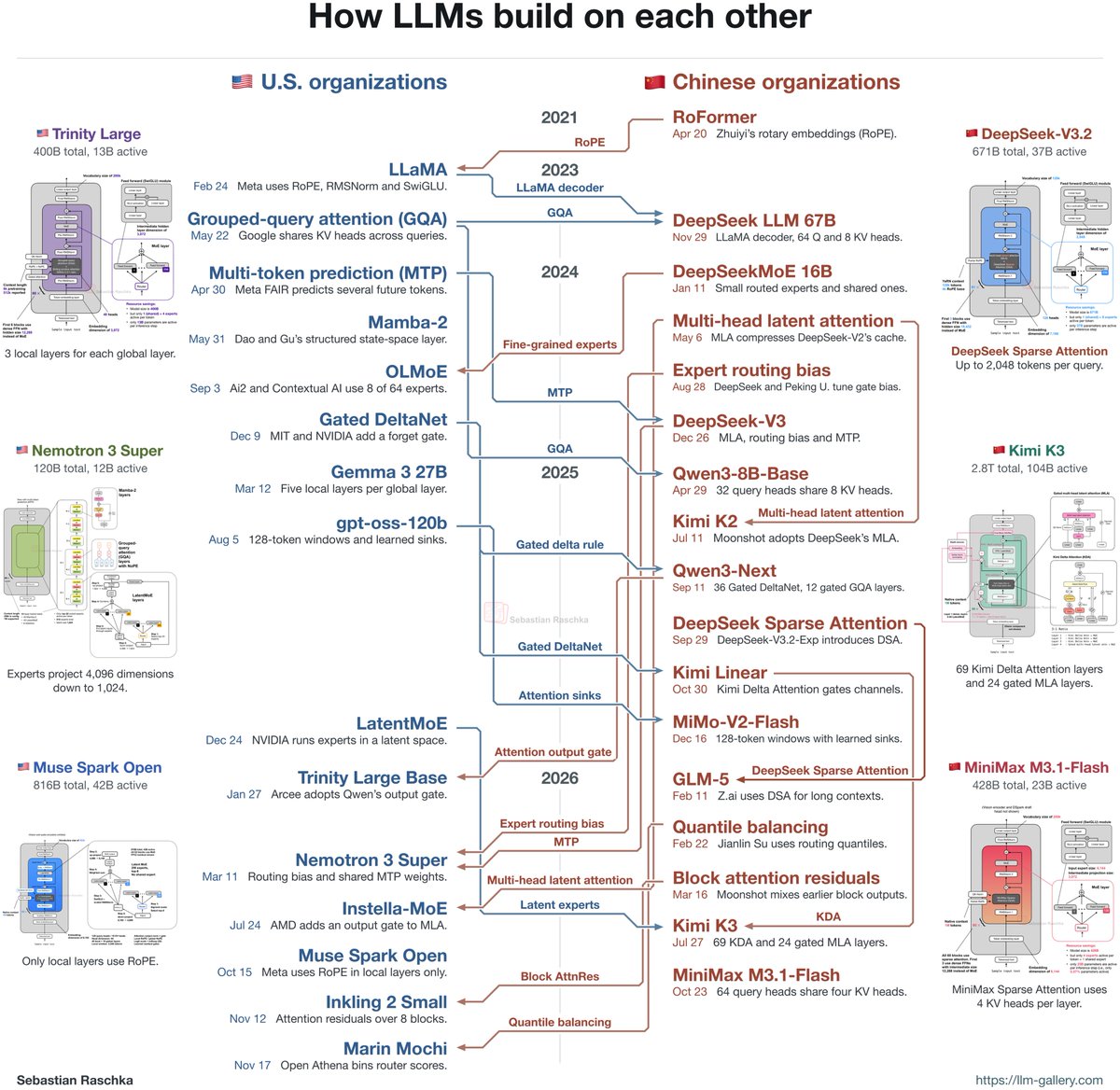
Sebastian Raschka argues that open-weight ecosystems improve one another and influence the capability and pricing of proprietary models. It is an industry view about competition and shared knowledge.
An EBM tutorial offers a unifying perspective
Yann LeCun shares an energy-based-model tutorial by daibond_alpha and Yilun Du, presenting EBMs as a unifying perspective rather than just another model family. The captured excerpt does not include the full derivation.
Fast-JEPA explores faster world-model planning
LeCun shares Fast-JEPA, whose authors study planning speed and success rates and report a 2.41× speedup in their post. The full experimental conditions are not captured, so the figure is not generalized to all planning tasks.
World-model research examines content and geometry
LeCun shares a paper titled The Content–Geometry Tradeoff in World Models. The available excerpt identifies its research theme but does not support a detailed account of experimental findings.
WavLate brings multi-vector retrieval to audio
Omar Khattab shares WavLate, applying multi-vector retrieval ideas from text and images to audio. The post identifies the approach without a complete comparable account of accuracy and latency.
A claimed AI-assisted proof sparks verification debate
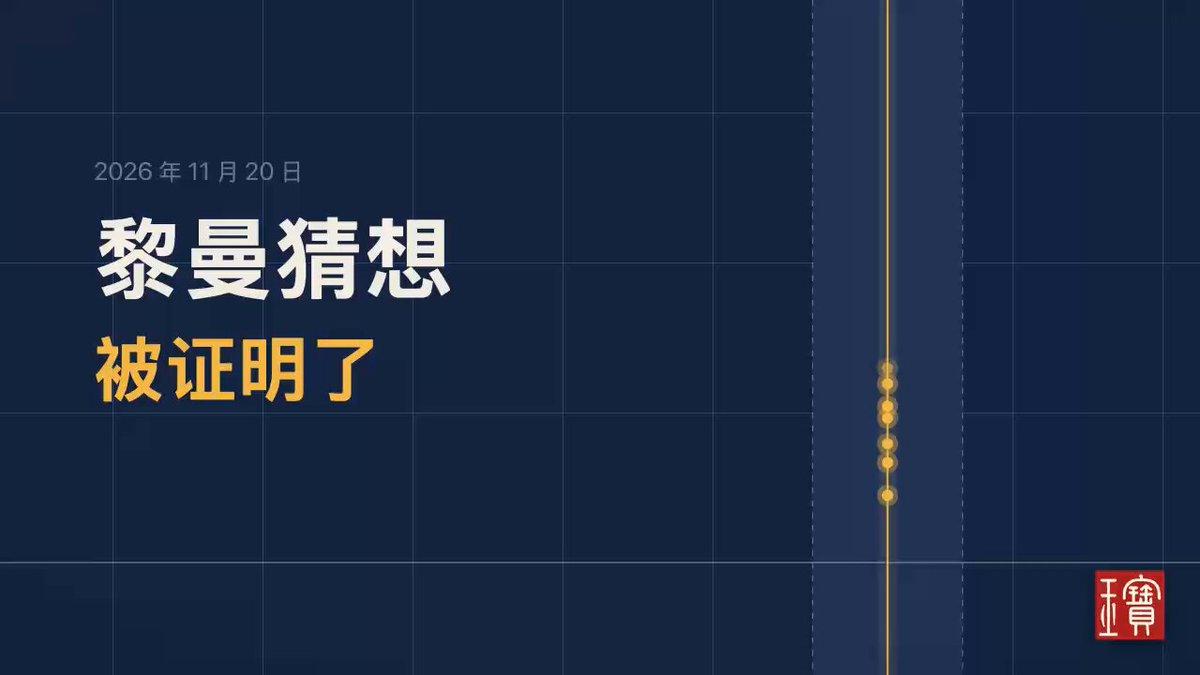
Baoyu discusses Levent Alpöge’s claimed proof of the Riemann hypothesis with Claude and the distinction between Lean code and human mathematical understanding. The proof files, verification environment and final mathematical acceptance were not independently checked here; the claim is not presented as settled.
Mollick emphasizes expertise alongside AI
Ethan Mollick argues that expertise combined with effective AI use can produce significant results and emphasizes mathematicians’ contribution. Specific Millennium Problem claims still require separate verification; this view does not establish independent AI research.
Fleuret distinguishes pretraining from first principles
François Fleuret questions describing reinforcement learning after massive pretraining as reasoning entirely from first principles. His argument concerns the origin of model knowledge, not an experimental rejection of every RL method.
Is the user-data flywheel still decisive?
Teortaxes argues that curated and synthetic datasets now matter more than simply accumulating user conversations or coding traces. This is an opinion; the post does not supply a controlled test ruling out other explanations.
Combining looped reasoning with speculative decoding
Teortaxes asks whether easy tokens could use fewer loops when combined with speculative decoding. This is a proposed engineering direction, not a released acceleration technique.
Claude and cloud GPUs build a crowd scene
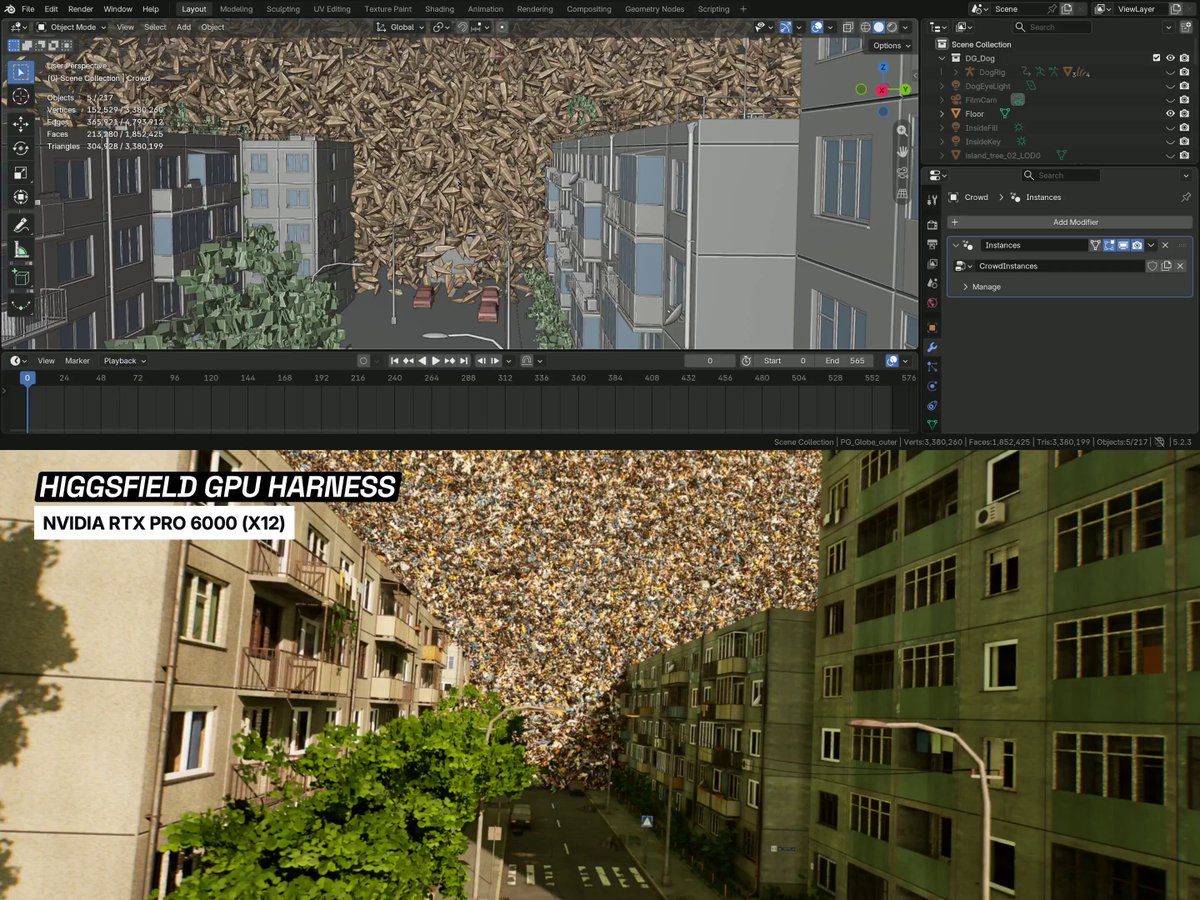
Higgsfield demonstrates Claude driving Blender through GPU Harness, rendering a street crowd with 150,172 objects on 12 RTX PRO 6000 GPUs. These are vendor demo figures rather than a general modeling-efficiency benchmark.
Fable 5.2 creates a 20-second Blender film
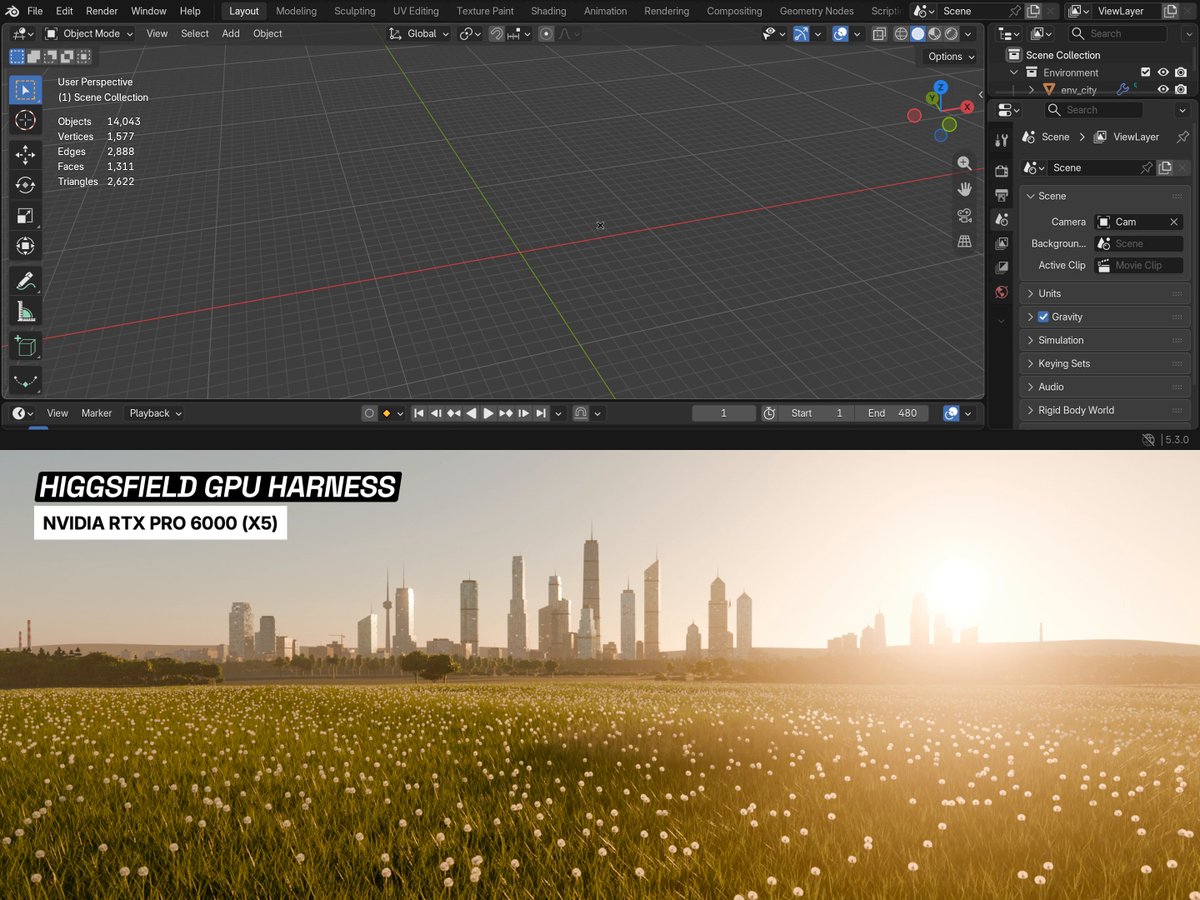
Higgsfield shows a 20-second Blender film with detailed geometry and materials made by Fable 5.2, using five RTX PRO 6000 GPUs. The example illustrates an agent workflow with rented GPU resources.
Sixteen GPUs render a house-of-cards storm
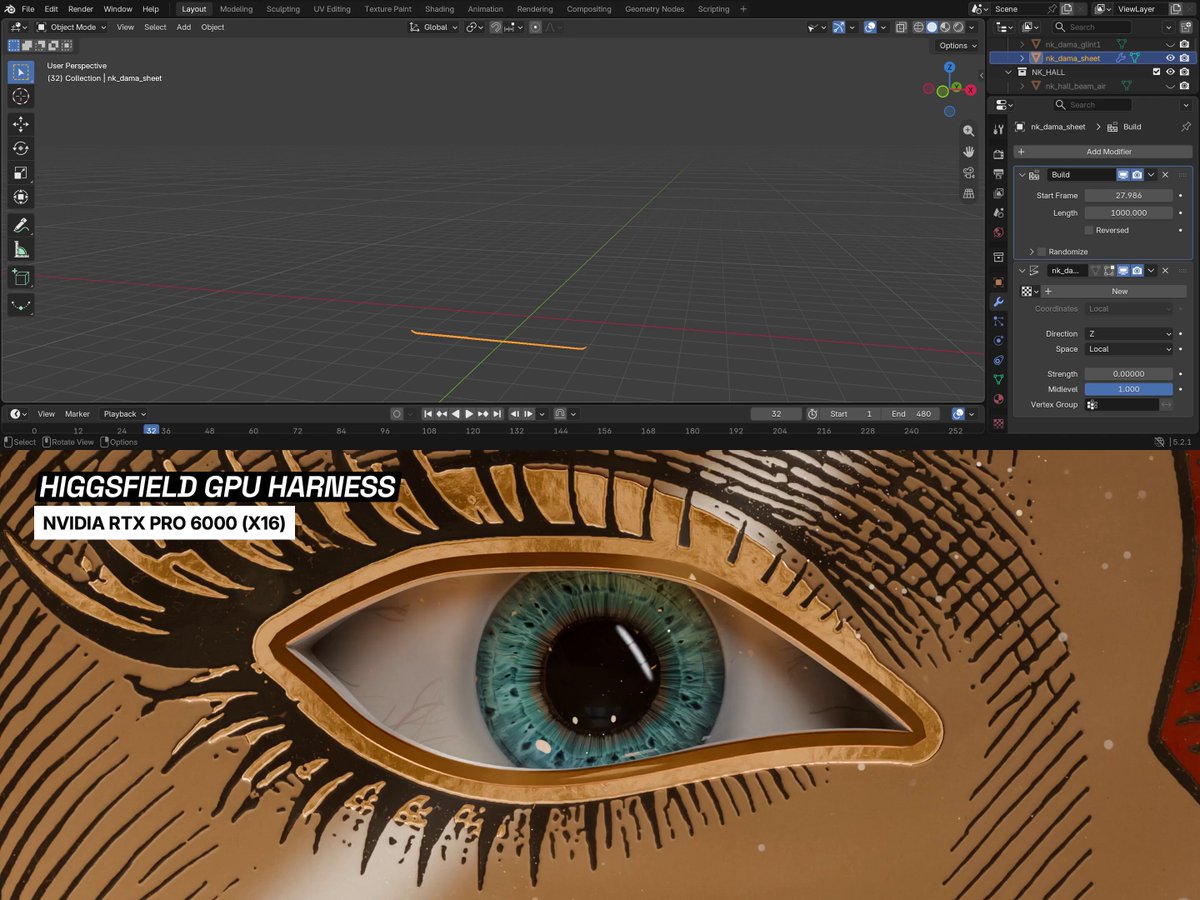
Another Higgsfield Blender demo renders towers of cards in a storm on 16 RTX PRO 6000 GPUs. It demonstrates cloud rendering within an agent workflow rather than announcing a new video-generation model.
A race-car model down to the wheel nuts
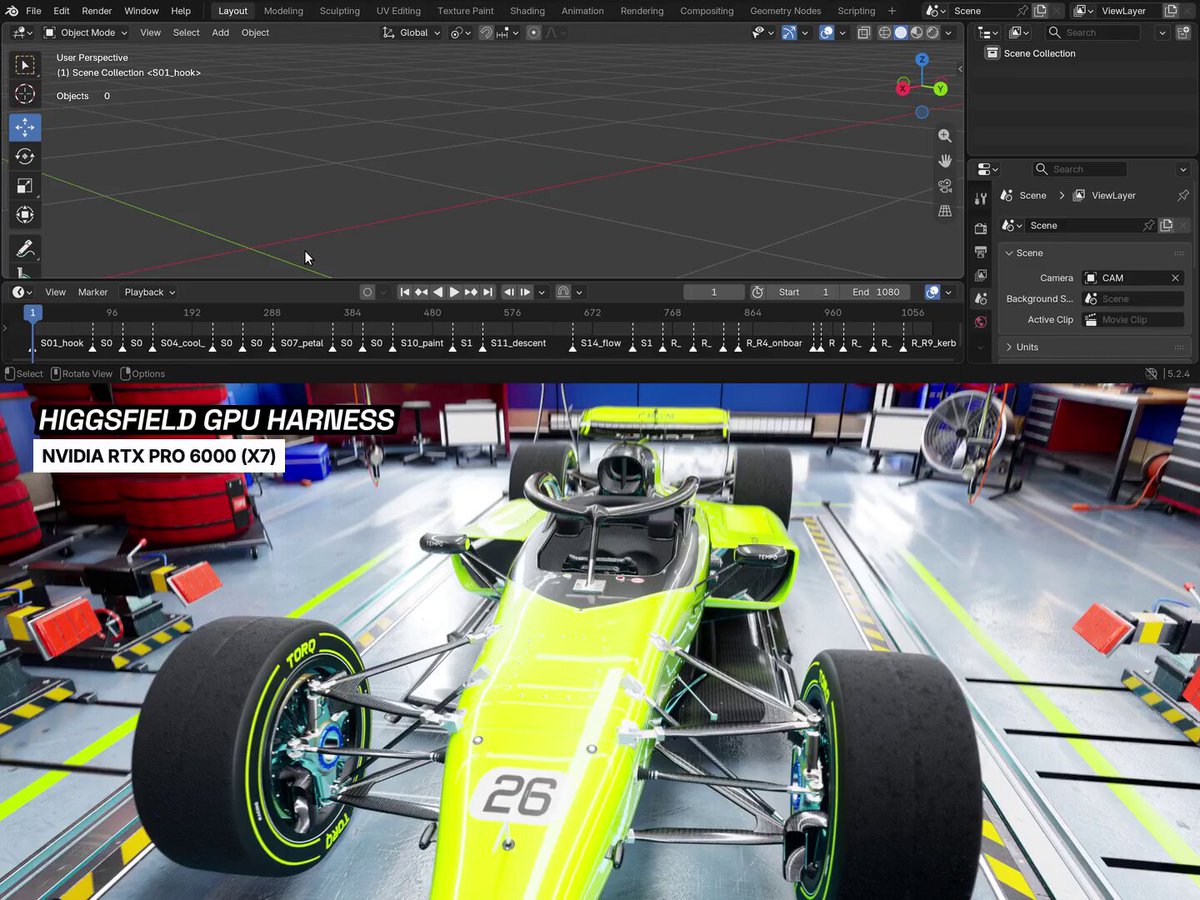
Higgsfield shows a Blender race car with 336 objects and 4.2 million vertices, rendered on seven RTX PRO 6000 GPUs. Object and vertex counts describe scene complexity rather than an independently verified quality score.
A GPT-6.2 shader-creation demo

OpenAI Devs shares shader work by gokayfem, showing model-assisted graphics coding. This is a creative demonstration without a full benchmark or production compatibility report.
Astra builds an ocean simulation with buoyancy
OpenAI Devs shares a developer’s ocean simulation made with Astra 6.2, including buoyant balls. It shows a coding artifact rather than verified physical simulation accuracy.
GPT-6.2 Astra helps build an ocean survival game
A developer shares an ocean-survival game built with GPT-6.2 Astra and Blender for 3D assets and simulations. OpenAI Devs reposts it; the captured excerpt does not preserve the entire toolchain.
A Perplexity Teammate builds a browser exploration game
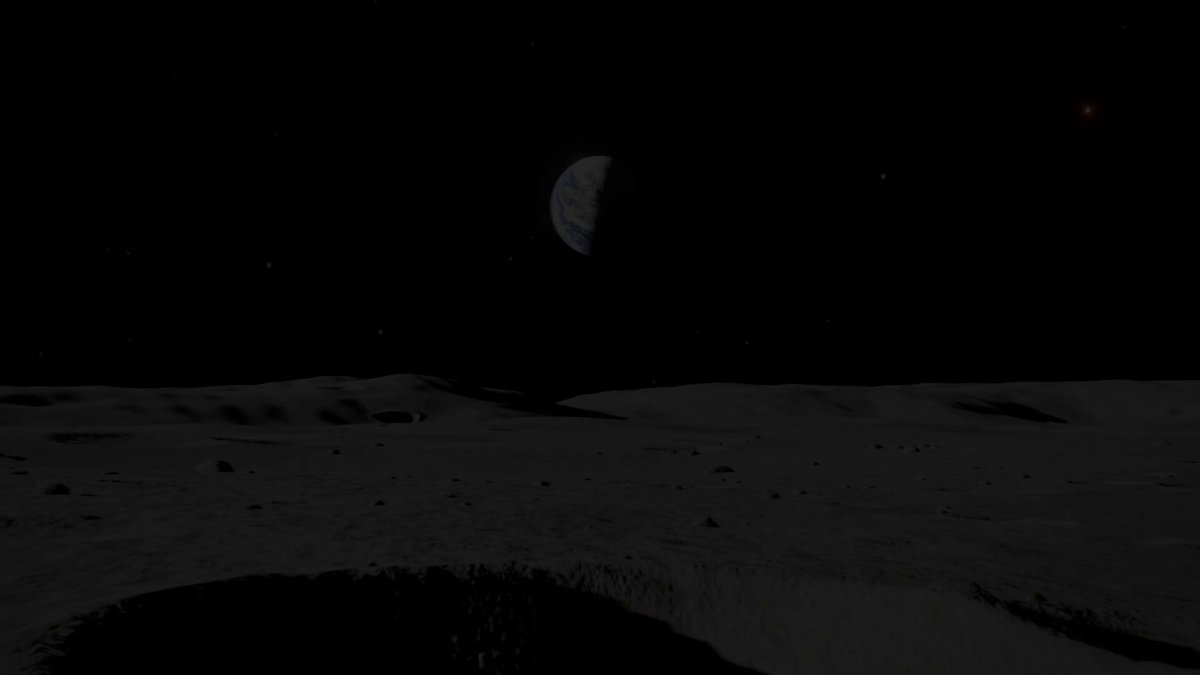
Arav Srinivas showcases Getsumen Express, built by a Teammate running Fable 5.2, with Moon and Mars exploration in a browser. It is an AI-assisted game-development example.
Gemini Neon creates a 3D V12-engine artifact
CoffeeVectors shares a creator’s V12-engine visualization made with Gemini 4 Neon. The artifact illustrates graphics programming, without establishing mechanical engineering accuracy.
An agent workflow combines MotionBricks and animation
A creator shares a workflow combining Antigravity, Gemini 4 Neon and NVIDIA MotionBricks for game and animation work. The post provides a demonstration rather than standardized speed or quality measurements.
Exploring normal-map generation with Depth Pro 2
CoffeeVectors shares an attempt to use Gemini 4 Neon to modify Apple Depth Pro 2 and create a normal-map generator. The excerpt does not establish the training method or measured differences from the original model.
Fable turns car photos into sprite assets
A creator tries using Fable 5.2 to turn car photos into sprite-stack assets, shared by CoffeeVectors. The example explores an image-to-game-asset workflow whose results depend on inputs and subsequent editing.
A Claude skill organizes anamorphic-shot techniques

PJ Accetturo shares a Claude skill for anamorphic-style shots, emphasizing lens choice in AI filmmaking. Claims of footage being indistinguishable from real film are promotional statements rather than verified general performance.
Painting anime stills in Python without an image model
fofr describes drawing 1990s cel-and-gouache-style stills in pure Python, using a 3D camera for layered depth plus lighting, PyCairo lines, grain and lens effects. The article includes agent instructions; the images are not direct outputs from an image model.
PixVerse suggests adding wind to video prompts
PixVerse shares a prompting tip: use breezes and movement in hair or fabric to add life to video scenes. It is a creative suggestion rather than a new model or feature announcement.
Vidu API promotes new-user credit packs

Vidu advertises Black Friday packs for new API users: 4,000 credits for $9.90 or 8,000 for $19.90. Eligibility, timing and credit consumption depend on the offer page.
Kling recaps its professional-workflow showcase
Kling recaps its November 10–12 participation at Adobe MAX 2026 in Miami, discussing Kling 4.0 in professional creative workflows. This is an event retrospective rather than a same-day model launch.
A Genie 4 demo also reveals continuity limits
Hassabis shares a user’s Shibuya exploration in Genie 4: people are generated in real time, but turning around can change the scene. The user reports roughly one dollar per ten seconds of use, not a universal price or stability benchmark.
Runway discusses video models controlling robots
Episode three of Runway’s Inside View turns to robotics and the question of using a video model for control. It is a research interview introduction without enough evidence for broad claims of general-purpose robotic capability.
Tesla shows FSD V15’s reconstructed interface
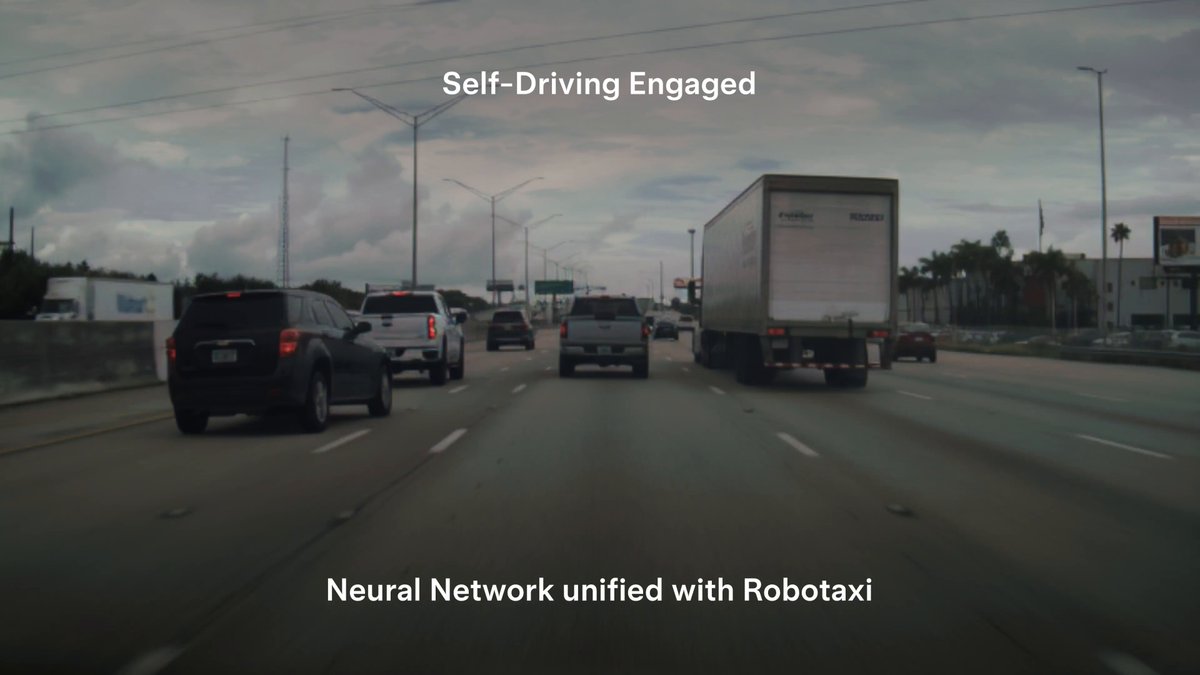
Musk describes FSD V15 reconstructing the surroundings and allowing users to tap a location as a destination. This reports a vendor-described AI visualization interaction, not verified driving safety or availability.
Musk questions separate SFT and system prompts
Musk argues for sensible defaults in primary training and criticizes treating SFT and system prompts as later additions. This is a training-design opinion, not evidence that every model uses such an approach.
Sakana AI’s security group is hiring
David Ha shares hiring by Sakana AI’s Security Research Group in Tokyo for public-interest cybersecurity research. This is a research-career opportunity rather than a new security-model release.
NVIDIA’s spatial-intelligence lab seeks interns
Lucas Beyer shares Alex Bewley’s call for summer 2027 interns at NVIDIA’s Spatial Intelligence Lab in Zurich. Applicants should consult the original listing for requirements.
Gemini names signal different model roles
Hassabis shares Logan Kilpatrick’s shorthand: Neon is positioned as all-around, Hydrogen as fast and efficient, and Carbon suggests a larger model. The naming explanation does not establish parameter counts.
An ASCII pelican illustrates spatial composition
Hassabis shares an ASCII drawing of a cycling pelican made with Gemini 4 Neon. The small creative artifact is not a comprehensive evaluation of spatial reasoning.