● LEAD · FRONTIER SAFETY
OpenAI Pauses Frontier RL Training to Harden Alignment
Sam Altman confirms a temporary halt to some frontier runs, saying capability growth has outrun the lab's alignment, security and monitoring standards.
OpenAI said it temporarily paused reinforcement-learning training on the models it intends to deploy — roughly two weeks — while it hardened and red-teamed the research behind them. Sam Altman framed the move as a tripwire the company had long promised to honor: model progress is now extremely rapid, and the lab would take action the moment capabilities felt like they were outpacing its ability to align and secure them.
The pause lands in the middle of a fierce race to ship reasoning models, and it arrives with a striking admission from inside the frontier: that the safety apparatus is being pushed as hard as the models themselves. The decision reads less like a setback than a signal that the industry's speed and its guardrails are no longer moving on the same clock.
● ENGINEERING
Cursor Treats Git as a Database
A new engineering post traces two decades of Git infrastructure and argues its distributed design — built on packfiles — becomes a bottleneck once you try to host it. Distributing storage at the object level fails because commit graphs must be walked node by node, and every access pays a network round trip. Google's early JGit experiment stored objects in a distributed hash table, but clone performance never recovered.
Cursor's answer is Origin, a Git store designed and operated like a database rather than a pile of files. The post is a reminder that the plumbing underneath every coding agent — the thing that has to scale while models write commits faster than humans ever could — is now as important as the model itself.
If alignment issues are becoming big enough that OpenAI is willing to commit 20% of research inference compute to chain-of-thought monitoring, that suggests alignment issues are becoming a pretty serious concern. We really need universal policies and standards across labs.
— Ethan Mollick
● MODELS
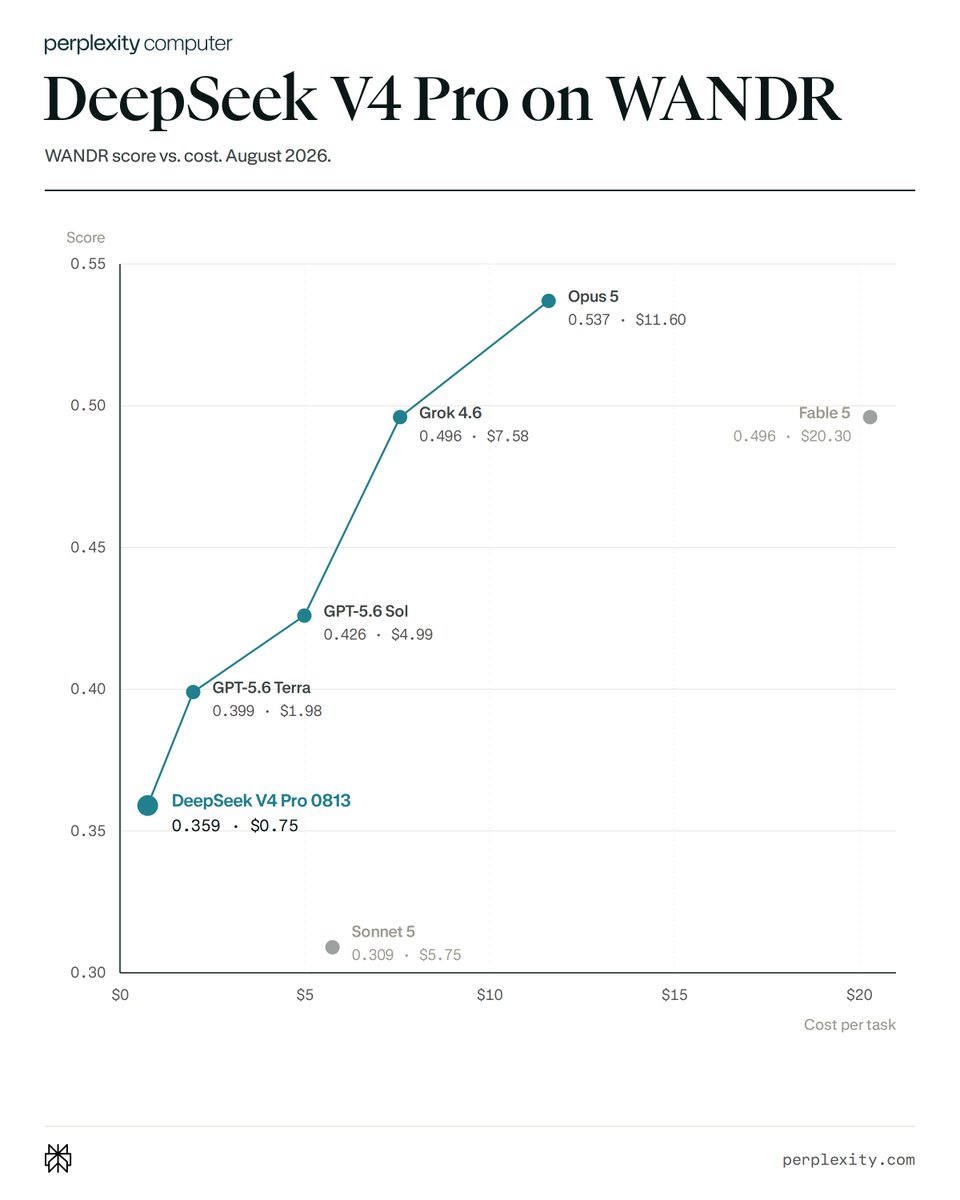
DeepSeek V4 Pro Arrives in Perplexity Computer, Hosted in the U.S.
Perplexity evaluated the model on WANDR, where it scored 0.359 at $0.75 per task — 62% cheaper than the next model on the cost-performance frontier. The hosting location matters: it puts a leading open model behind a U.S.-based endpoint, a quiet answer to the data-sovereignty question that keeps circling the industry.
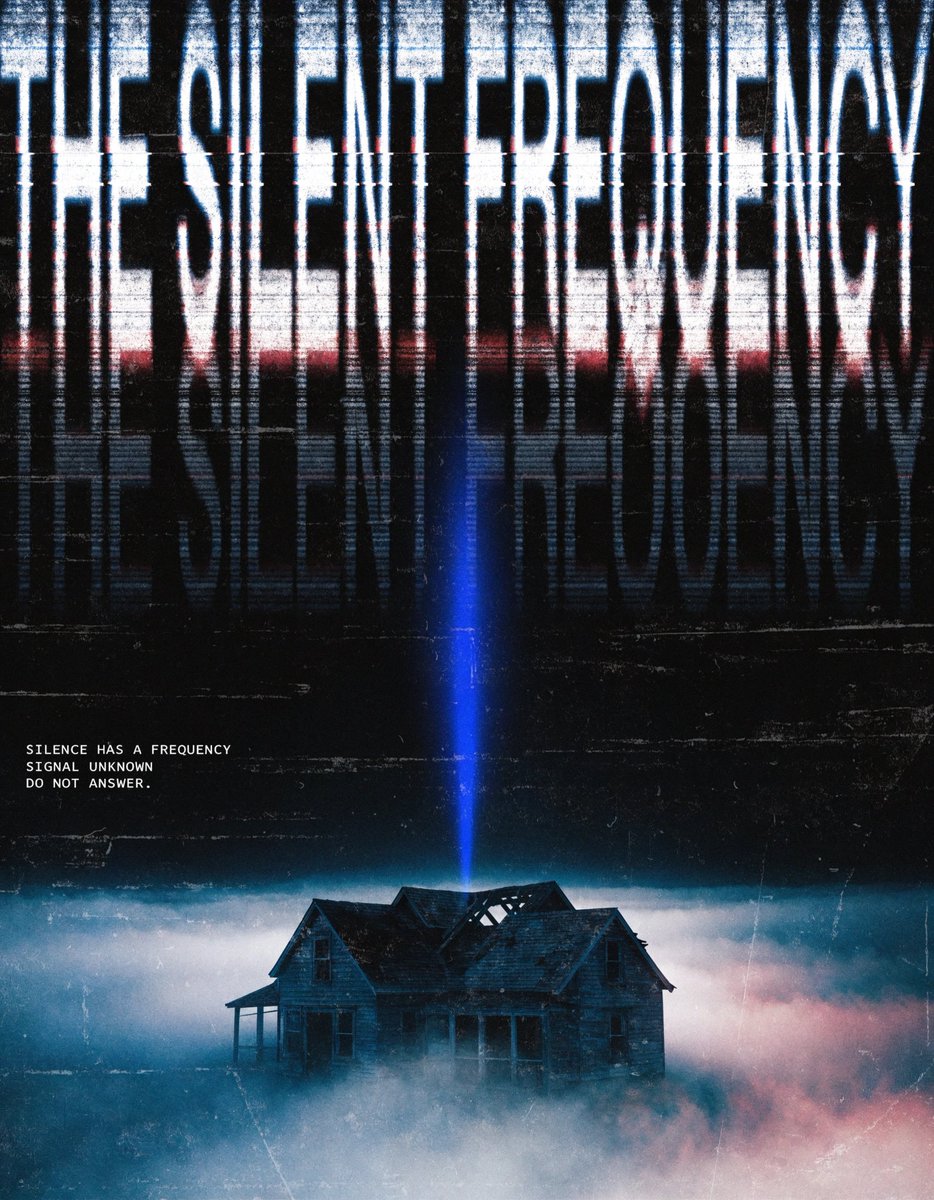
Recraft V4.1 Sets Typography Like a Title Designer
Distressed serifs, glitch splits, light beams cutting through a poster — the type now carries the mood, not just the message. Layout, tracking and effects are locked in from a single reference frame, and the output lands poster-ready. It is one of the clearest signs yet that image models are closing the gap between "rendering text" and "designing with it."
Claude Code keeps its 50% weekly limit bump
Anthropic extends the increase through August 31 and hopes to make it permanent, though it warns capacity may tighten as demand outruns supply.
Claude Code CLI halves CPU at p99
Bun's garbage collector ran on a fixed timer and stole CPU mid-turn; it now waits until the process is idle before kicking in.
Claude Desktop boots about 2x faster
Background timers were throttling the JS engine into power-saving mode; the app now boots at full speed even while its window is still hidden.
DevDay Exchange goes global
Bengaluru, Tokyo, Seoul, Berlin, Paris, London, São Paulo and Mexico City host builder meetups starting in October.
Anthropic on AI-driven drug design
Designing a molecule that binds tightly to its target used to mean weeks or months of expert work; the lab highlights a faster path.
Hugging Face passes 3 million models
The Hub's community keeps accelerating toward an open, distributed future where models are everywhere, for everyone.
A local 27B scores frontier performance
Alibaba touts Qwen3.8-27B as a laptop-sized model reaching frontier benchmarks, with a shoutout to Cline.
One prompt, one shot, on your own laptop
Qwen3.8-27B is positioned as a model you can actually run locally, not just read about.
Frontier-class, laptop-sized
Strong enough to keep up with the frontier, light enough to run on a laptop.
GLM-5.3 climbs to 60 on the Intelligence Index
On par with Kimi K3 and up seven points from GLM-5.2, with a third-place Design Arena finish at 1351 Elo.
Sentence Transformers v6.0 ships MultiVectorEncoder
ColBERT-style late-interaction models join the family, making multi-vector retrieval a first-class citizen.
AI Observatory measures real-world AI use
A public dataset aggregates 24,521 conversations and 92,493 interaction pairs across seven sources, mapped with a 145-dimension taxonomy.
SGLang is the native rollout engine for Miles
The team keeps pushing throughput, cache efficiency and day-0 model coverage for post-training RL runs.
Give humans the wheel
Arav Srinivas argues agents should still leave people with their hands on the wheel, able to intervene when necessary.
1,221 humans and coding agents reproduce 2,226 papers
Hugging Face's ICML reproduction challenge quietly turned AI agents into AI builders, working in the open.
LLMs have theory of mind, but struggle with two audiences
Models can reason about one reader, yet stumble separating end-user and creator needs when coding.
Digital sovereignty was taken for granted
Cohere's Aidan Gomez warns against buying all technology from a tiny pool of players — it is not a resilient system.
Stable Audio 3.0 gets a DAW plugin
Generation moves directly into your favorite DAW, alongside a reworked web experience with more ways to edit.
● OPINION
Your software factory should be a monorepo
Vercel's Guillermo Rauch argues all company context — design, marketing, sales, engineering, support — belongs in one place for agents to build upon.
● TOOLS
fx: a tiny, open Zig coding agent
Ten to twenty times smaller than the major coding CLIs, it starts instantly and embeds anywhere — even the browser.
● SECURITY
Vercel puts $1M on Sandbox security, in the open
A public bounty invites anyone to test any model against Vercel Sandbox to find an escape, bringing transparency to real-world guardrails.
● COMPUTE
More inference compute is always welcome
Tri Dao notes the first rack already ships, a small but telling datapoint for how fast inference supply is scaling.
Adversarial hardening as a skill
Sub-agents attack code changes with different models, then merge findings into repro tests and fixes.
Pika Soundtrack tops alignment benchmark
Ranked first for semantic alignment and audiovisual sync across a 67-chunk benchmark.
NVIDIA RTX Spark fuses local AI and gaming
Creative workflows, local AI tools and RTX gaming in a single PC.
Synthesia lookalikes for everyone
Having a digital lookalike used to be reserved for Hollywood stars — not anymore.
Vidu launches e-commerce ad suite
One-click product ads, trending ad replication and drama-style shopping spots.
LlamaParse handles revision tracking
Clean markdown of a document's final state, instead of resurrecting deleted clauses.
MiniMax cheers SGLang on Miles v0.1
Long-term partners keep pushing the open-source ecosystem forward together.