Anthropic begins trading on Nasdaq
Anthropic began trading on Nasdaq on November 19 under ANT, following an IPO priced at $83 a share. In his listing remarks, CEO Dario Amodei reiterated the aim of building powerful AI for human benefit. The new milestone is the trading debut, following the earlier pricing announcement.
GPT-Live-1.1 reaches the API
OpenAI has made GPT-Live-1.1 available through the API, highlighting more consistent multilingual accents and task completion. A standby option lowers idle costs while inference is paused in a WebRTC session. This is API availability; the model had already powered ChatGPT voice.
Ideogram 4.6 focuses on precise 4K edits

Released November 19, Ideogram 4.6 offers native generation up to 4K and precise, successive edits. The company reports less drift outside edited regions and better color, texture and realism. Generate and Precise Edit endpoints serve different workflows.
Codex helps keep ChatGPT fast
OpenAI describes Performance Factory, where agents investigate performance alerts, record findings and propose fixes for engineers to review before production results are checked. Task workflows, dispatch, cloud execution and subscriptions connect the process; engineer review remains part of it.
Reasoning reuse depends on an unchanged prefix
Responses can reuse earlier reasoning, but GPT-6.2 ties reasoning items to preceding conversation history. Editing that history can remove reasoning, affecting cache reuse and subsequent token use. Official guidance recommends preserving the prefix and inspecting input_transformations.
Muse Wonder leads a legal-work benchmark
Meta reports that Muse Wonder earned the highest overall quality score in Legora’s November BAR benchmark. The result concerns that evaluation’s legal tasks, rather than reliability across every legal workflow.
Kimi shares K3.1 Pro’s SII comparison
Kimi relays Fireworks’ claim that K3.1 Pro outperforms K3 on 14 of 17 practitioner-built SII benchmarks. The captured post does not include full settings, so the comparison stays attributed to that test.
Qwen4-Max is available on Nous Portal
Qwen invites developers to try Qwen4-Max through Nous Portal and share their creations. This post concerns an access point for the previously announced model.
Perplexity updates open-weight decision models
Hugging Face relays the rollout of pplx-decider-v1.3 and pplx-decider-flash-v1.3. These are open-weight decision models; the brief announcement does not establish detailed task-level gains.
OVHcloud introduces Olala mini 7A1B
OVHcloud announces Olala mini 7A1B as the start of its first language-model family, with the launch relayed by Hugging Face. The captured announcement identifies the model without a complete comparative evaluation.
Nous shares a Hermes adapter for Qwen3.8-27B
Hugging Face relays NousResearch’s Hermes adapter for Qwen3.8-27B, aimed at agent efficiency and accuracy. Its benefits depend on the tasks and execution framework used.
Cloudflare’s Clairic targets information extraction
A Hugging Face repost introduces Clairic as a model that extracts information rather than only making decisions. The captured description does not include a full output schema or accuracy evaluation.
PAN 2 shares more than weights
Clement Delangue relays IFM’s PAN 2 announcement, which lists weights, inference code, training code and an Apache 2 license. The post highlights the difference between downloadable weights and broader reproducibility.
A local voice model draws attention
Clement Delangue reposts an introduction to Nemotron 3.5 Bolt E4B, described as an approximately 4GB model for local voice assistants. This is a secondary summary, not a measured performance guarantee for every device.
Marin releases 57 Mochi checkpoints
Marin releases 57 intermediate checkpoints from Mochi 535B-A23B pretraining, including 10 from long-context extension. The material enables study of the training trajectory, beyond a final weight snapshot.
Hy4-flash’s Maya engine remains a pull request
Tencent shares Project Maya PR #1040 for a dedicated maya-hy4 engine with tensor parallelism, MTP drafts and a CPU expert lane. The post says it is coming to main, so this is a proposed integration rather than a confirmed merge.
OpenCode offers free Hy4 flash access
Tencent points to free Hy4 flash access through OpenCode and invites testing. The post does not specify quotas or duration; availability depends on the service’s terms.
Tencent shares a Hy4 ChessQA ranking
Tencent reports a second-place result for Hy4 on ChessQA tasks. The brief post does not include the full leaderboard, configuration or measurement date.
Discrete diffusion meets 16×16 pixel art
Hugging Face shares a pixel-art model using discrete diffusion for small sprites. It illustrates an application of discrete representations, without establishing how the approach scales.
Replit pushes longer-running Missions
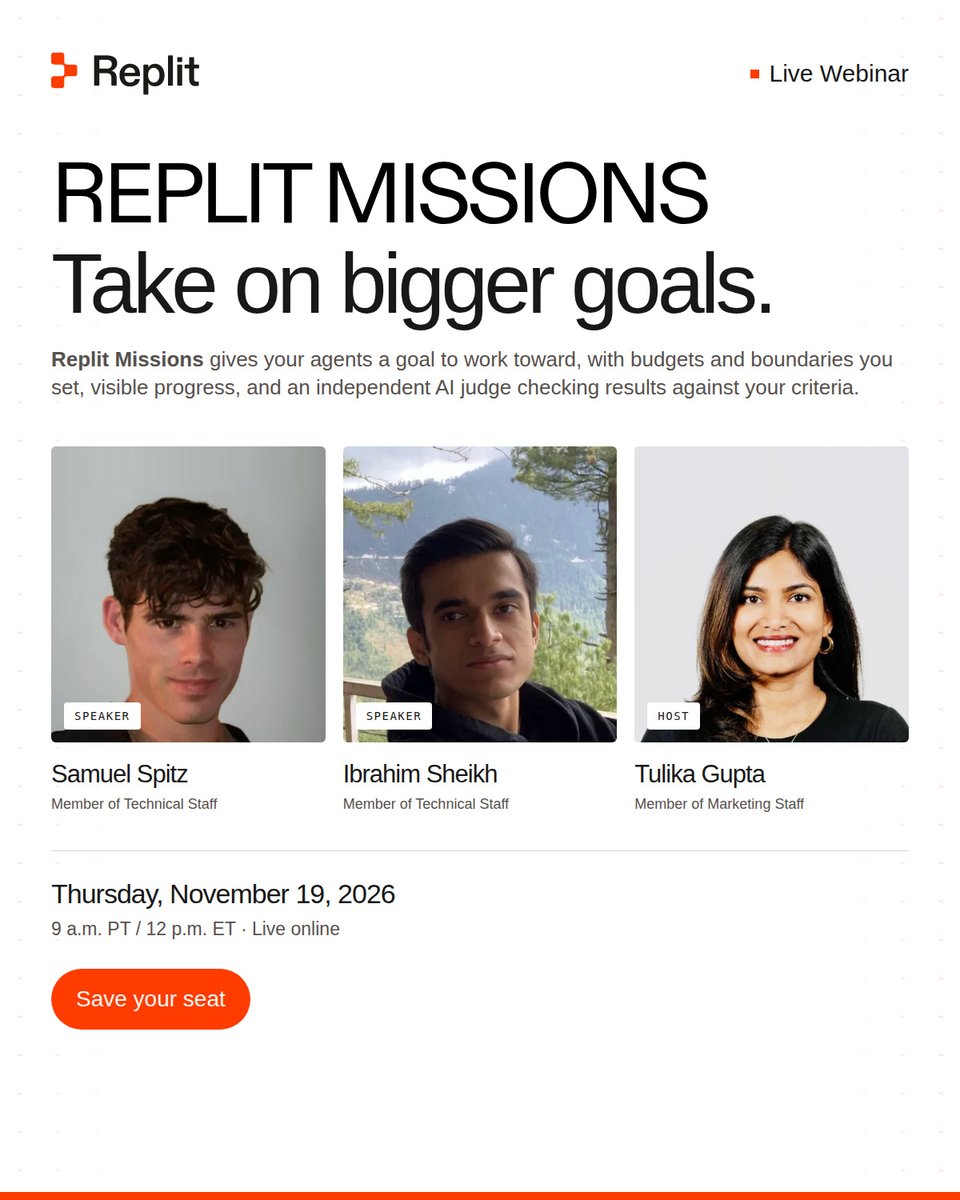
Replit highlights Missions, which uses agent teams to pursue user goals. Its announcement recalls earlier progress to more than 200 minutes of autonomous work. That historical figure is context, rather than a new duration guarantee for Missions.
Agent teams need ownership and shared findings
Replit highlights clear ownership, shared findings and lower coordination overhead in its research on Missions. Adding agents is easy; making their work connect effectively is the research problem.
Replit shares the self-hosted amuse assistant
Replit presents amuse, a personal assistant it says Missions built in three days. The repository describes research, a live browser, reminders, small apps and approvals before actions. It runs on the user’s computer and requires an OpenAI API key.
Claude Code revisits the review bottleneck
The Claude Code team describes optimizing review as agent-written code grows: reduce human review time while maintaining coverage and depth, without increasing rollbacks or incidents. The emphasis is measurable review outcomes.
Perplexity Brain writes reusable skills
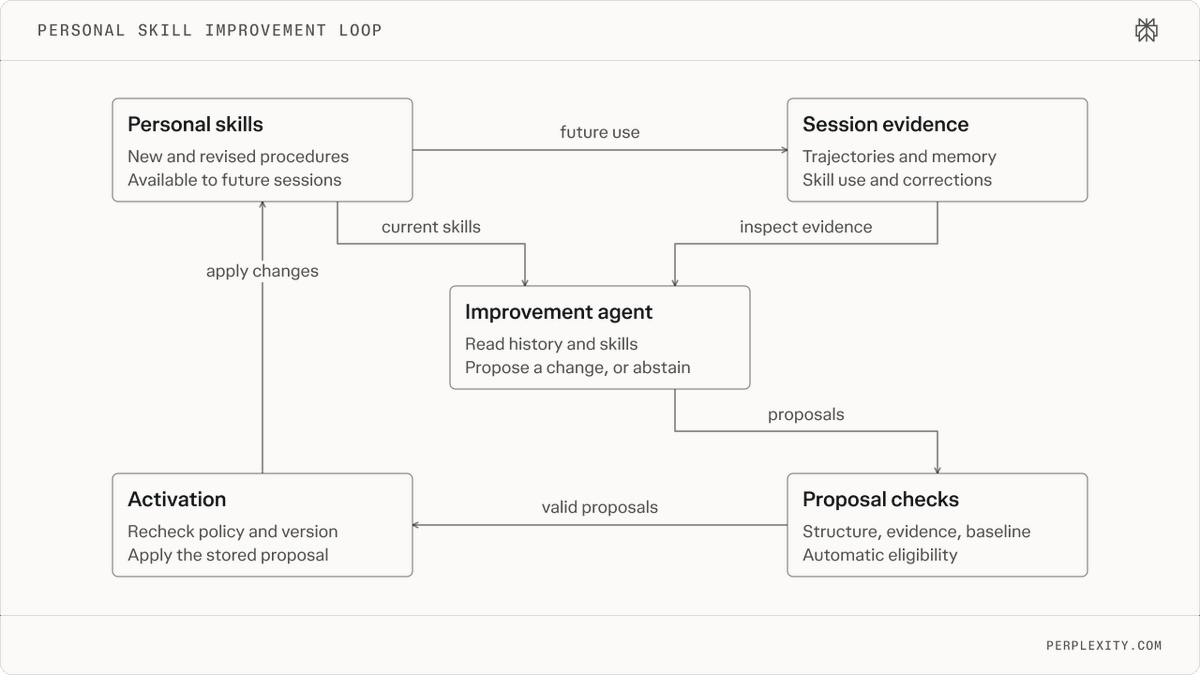
Perplexity says Brain learns from past sessions and memory to create and update personalized agent skills. The described improvement concerns workflows and skills, rather than automatic retraining of model weights.
Perplexity Teammates adds mobile calling
Perplexity says teammates are available on iOS and Android, with calls from the app. The update adds a mobile interaction channel for agents used in coding, app building and business tasks.
Decider’s free OpenRouter access is extended
Arav Srinivas announces three more weeks of free Perplexity Decider-v1.3 and Flash access on OpenRouter. He also reports a request share near 20% among decision models, a platform-specific claim.
Context API adds prompt-injection checks
Arav Srinivas says Context API now integrates decision models for prompt-injection checks and filtering against custom criteria. This adds an assessment layer to fetched content, rather than guaranteeing every malicious input is caught.
Perplexity outlines three agent APIs
Perplexity summarizes recent APIs: Monitor for event alerts, Orchestrator for task-based model routing, and Context for batch conversion of URLs into usable agent content.
Vercel Board takes a headless approach
Guillermo Rauch describes Vercel Board as infrastructure, likening it to a headless Slack for agents. Teams can build interfaces for their use cases; this is a product positioning statement.
Message boards emerge as an agent primitive
Guillermo Rauch highlights shared message boards for agent coordination, linking the idea to recent research and security projects. Shared communication is an architectural ingredient, not by itself proof of better outcomes.
SRE-1 targets production investigations
ResolveAI releases a technical report on SRE-1, a 27B model trained with reinforcement learning for production investigations. Stas Bekman notes DeepSpeed and Snowflake’s Cortex Training; price-performance claims come from the authors’ evaluation.
Runway explores video-guided robot control
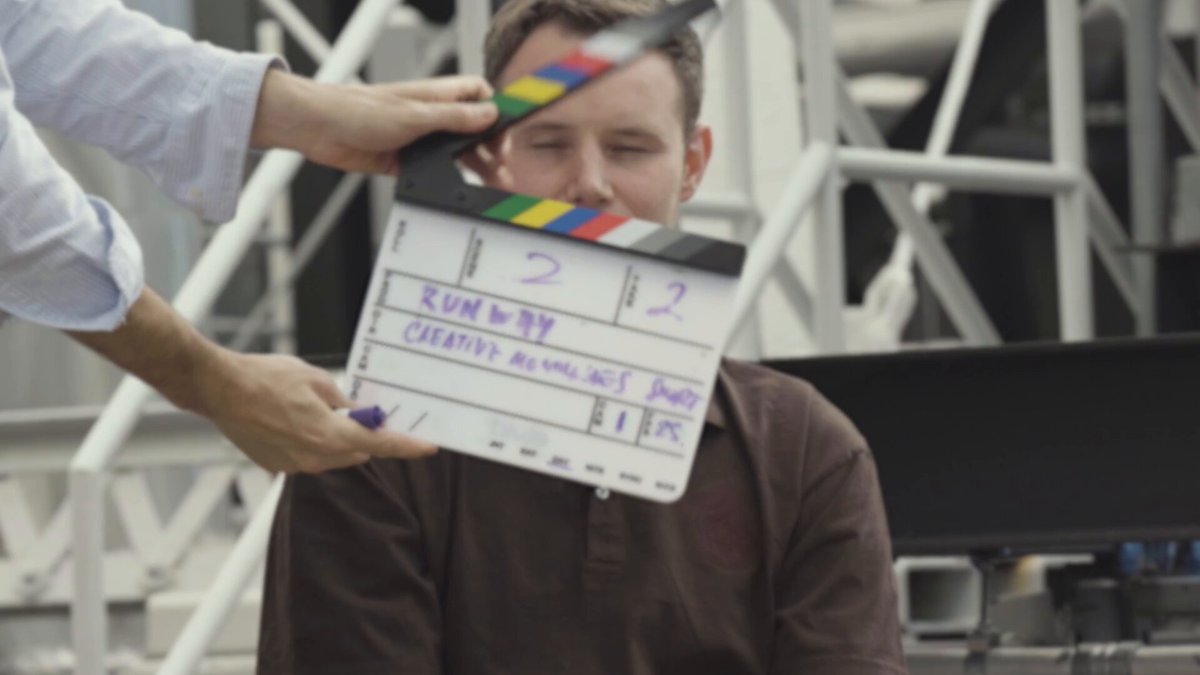
Runway’s Inside View introduces Praxis-1, which uses what a robot sees to guide its next action. The episode explains video models in a control loop, rather than reporting a universal robotics success rate.
GR00T 2 demonstrates real dexterous hands
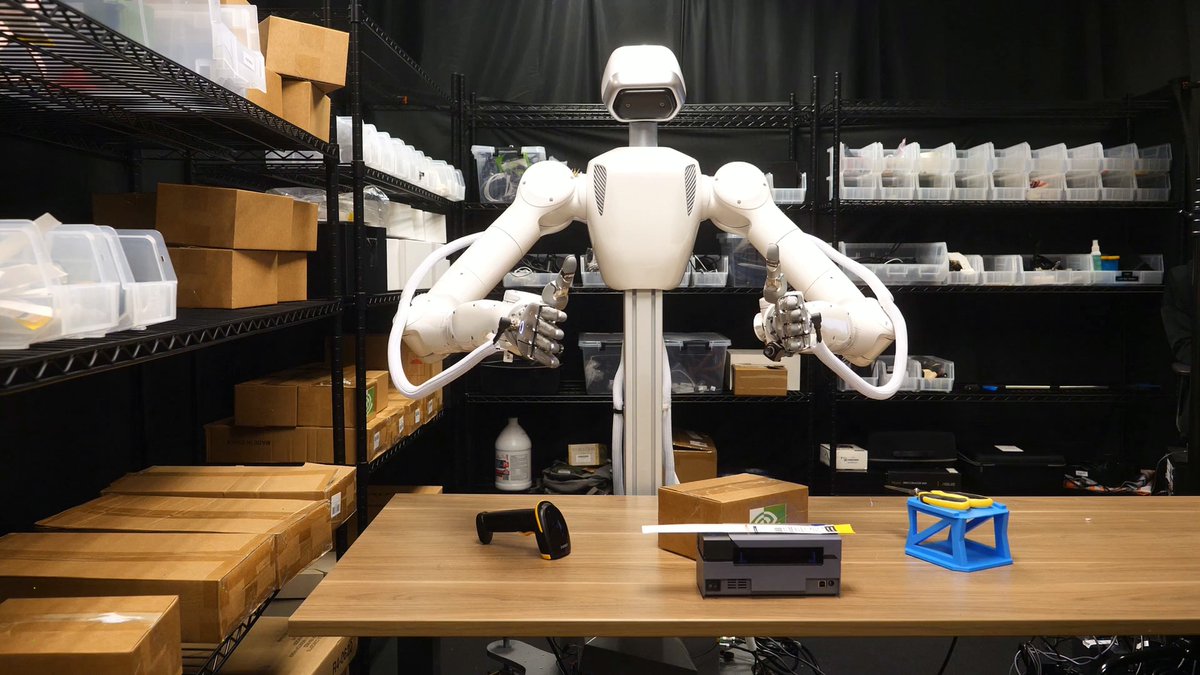
Jim Fan shares a GR00T 2 demonstration controlling real dexterous hands end to end, labeled autonomous, uncut and at normal speed. It is a demonstration, without aggregate coverage across all objects and tasks.
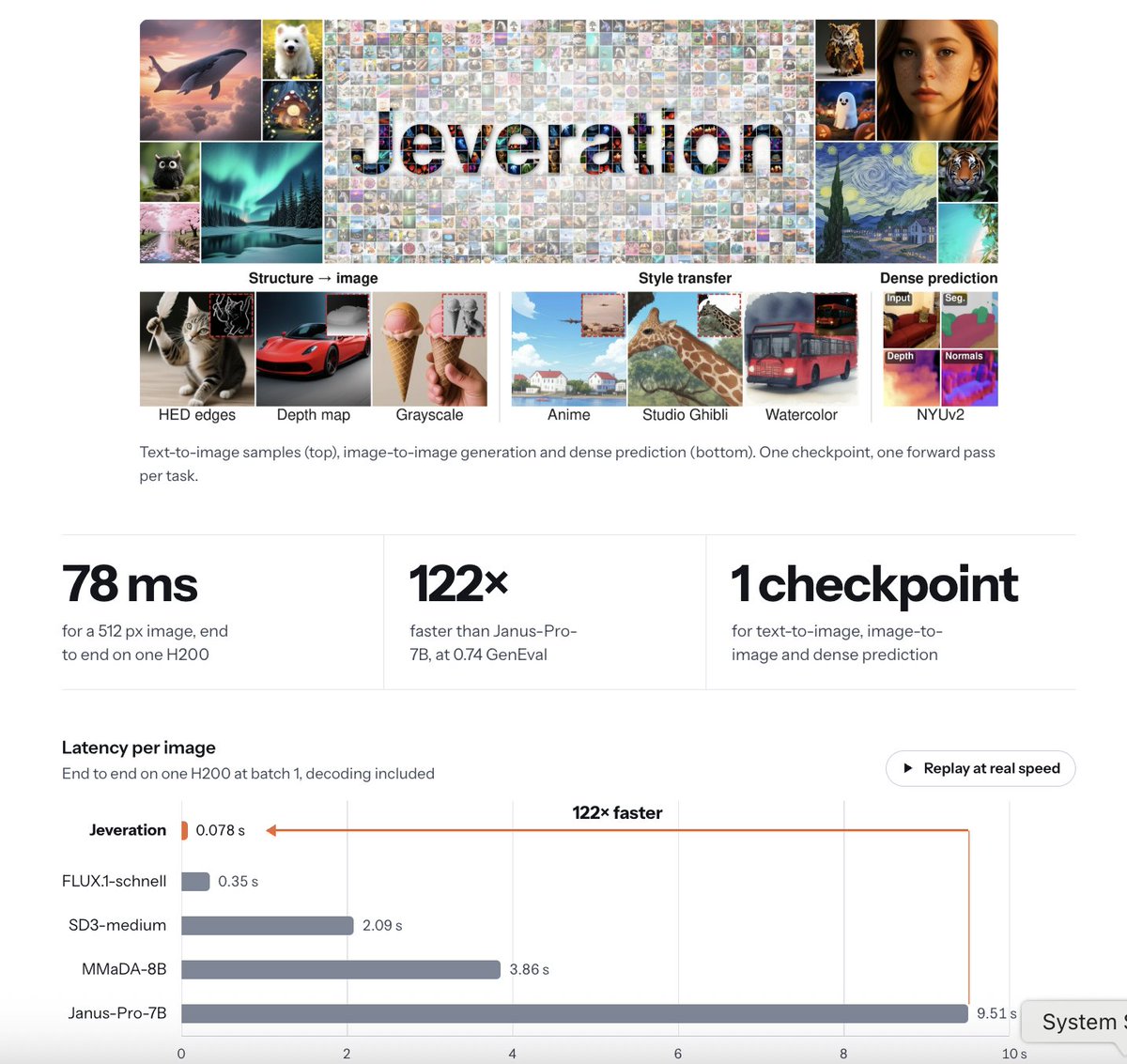
Jeveration generates with one forward pass
Jeveration coordinates parallel predictions with a shared random state, repurposing a frozen vision-language model for generation, image-to-image and dense prediction. Authors report 78ms for 512×512 output; the up-to-122× speedup concerns their compared unified models.
UltraTex aligns material knowledge for PBR
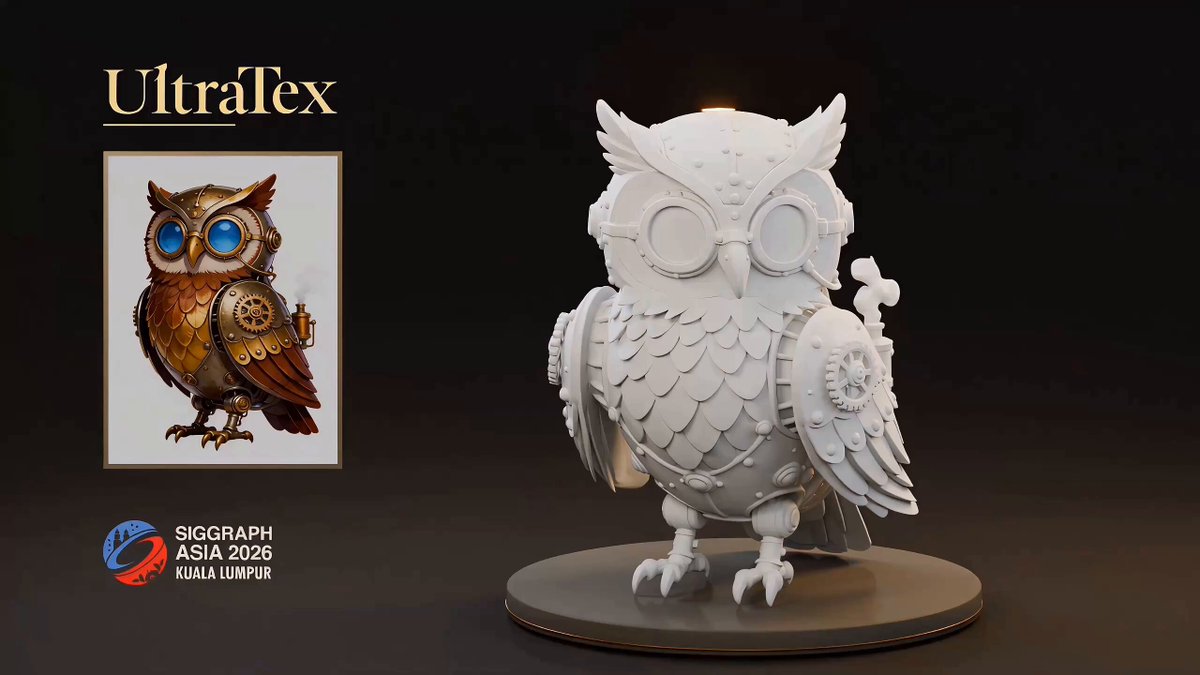
UltraTex uses a cascaded multi-view framework to infer PBR textures from one reference image: first albedo and normals, then metallic and roughness maps. Vision-language features and photometric alignment help separate material properties from lighting.
Invoker-Render shows a 30-minute rollout

Code World Model 2.0 introduces Invoker-Render, conditioning on structural proxies, a reference image and text. Four-step streaming and Progressive Forcing reduce drift. Authors show a stable 30-minute racing rollout, rather than unlimited stability in every scene.
JEPA research asks about latent world maps
Yann LeCun shares a paper asking whether JEPA can learn a latent map of the world. The captured post establishes the research question, without detailed navigation or generalization results.
Game2Player co-develops environments and players
A paper announcement introduces Game2Player from UIUC, IBM and collaborators, co-developing verifiable web-game environments and players for visual interaction research. The captured summary is truncated and does not establish scores or scale.
Prime Intellect introduces Model Factory
Omar Khattab relays Prime Intellect’s Model Factory, presented as one stack for training, deploying and continuously improving models. The captured announcement describes the workflow without detailed compute pricing or compatibility.
Gradio 7 plans to halve dependencies
Abubakar Abid says Gradio 7 will cut its dependencies in half, highlighting the security exposure each dependency adds. This is a version plan, not a measured halving of vulnerabilities.
PyBot’s Rust port shares agent-work figures
Lewis Tunstall reposts the rsbot migration, whose author reports 25 Claude Code agents, approximately $1,400 in cost and a roughly tenfold speedup. The captured post does not fully specify benchmark conditions.
A zero-weight Python program tackles GSM8K
A research post reports 15.2% on GSM8K for a pure Python program with no weights, versus a cited 11.6% for Llama 2 70B. This is a specific math-test comparison, not broad superiority over language models.
Hugging Face Jobs hosts an async RL experiment
Lewis Tunstall shares an AsyncGRPO and Qwen3-30B-A3B LoRA experiment using three vLLM jobs and two trainer jobs on Hugging Face Jobs. The post illustrates orchestration without a complete final evaluation.
A survey asks whether understanding improves safety
Sara Hooker relays a cross-institutional survey on whether understanding how models work makes them safer. The captured post identifies the question, without supporting a universal verdict.
Pika Enact explores directing during playback
Pika presents Enact as a research preview where users move AI actors, give directions and adjust a camera while scenes play. It is an interactive creation demonstration, rather than a blanket availability claim.
Synthesia’s video workflow comes to Claude

Synthesia announces a Claude connector for describing, generating, viewing and revising videos in chat, with sharing and automation options. The connector supplies the video service inside the conversational workflow.
Kling 4.0 adds native 4K and HDR
Kling says version 4.0 supports native 4K and 10-bit HDR at both 4K and 1080p. The linked homepage does not detail all technical conditions; supported modes and account access depend on the product.
PixVerse adds ChatGPT Images 2.6
PixVerse announces ChatGPT Images 2.6 and a prompt-or-image route to animated GIFs, positioning Flare for speed and Sunburst for quality and consistency. Relax Mode benefits depend on the platform’s subscription conditions.
MiniMax H3 Image demonstrates research figures
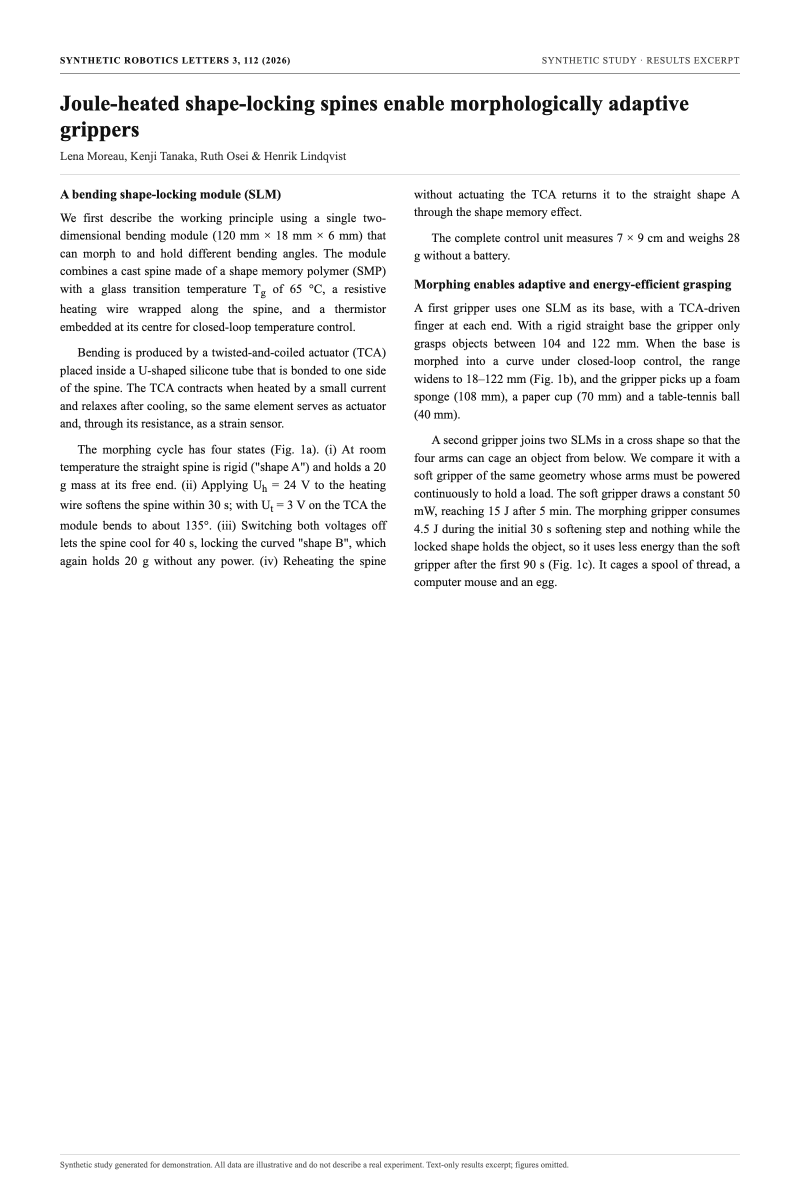
PixVerse shows MiniMax H3 Image producing research figures, charts and labels. The example concerns visual communication; authors still need to verify the data, annotations and scientific relationships.
Recraft saves reference styles for later prompts

Recraft demonstrates saving a style from one or more reference images and applying that look to subsequent prompts. The workflow reuses visual references across creations.
Fable drives a Houdini flower scene
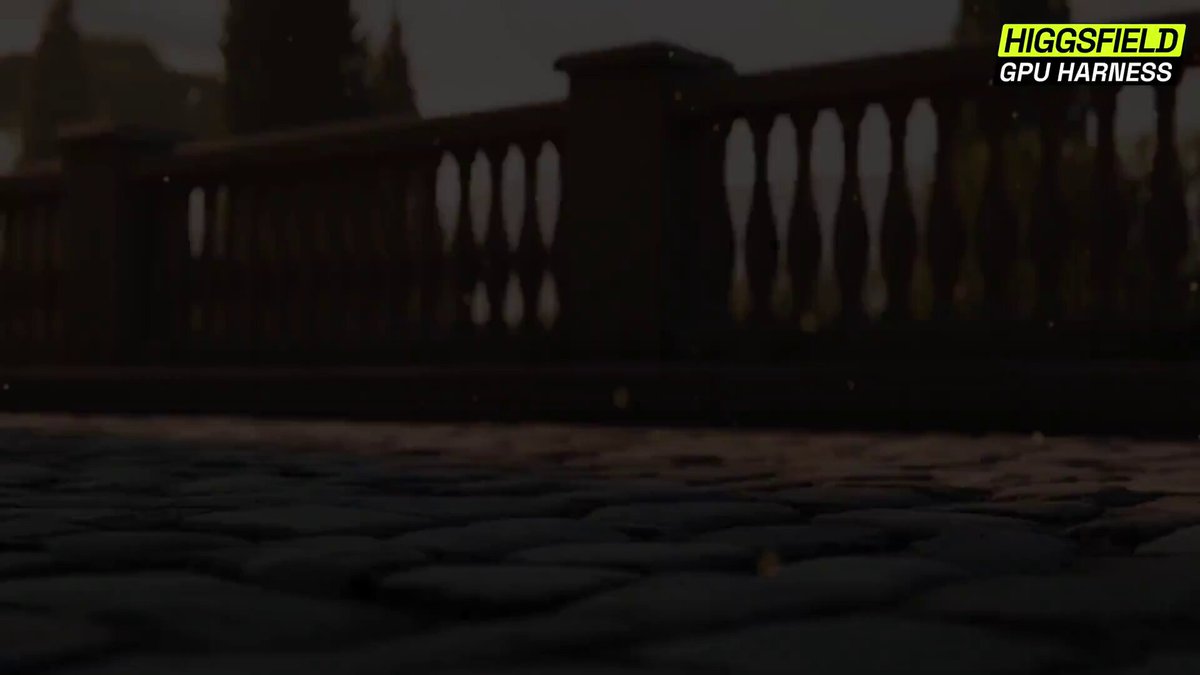
Higgsfield shares a Fable 5.2 and Houdini workflow for a 40-second film with roughly 25,800 flowers. The author reports about 90 minutes of rendering on eight rented GPUs; film duration and rendering time are separate measures.
A Blender mech workflow shares its figures
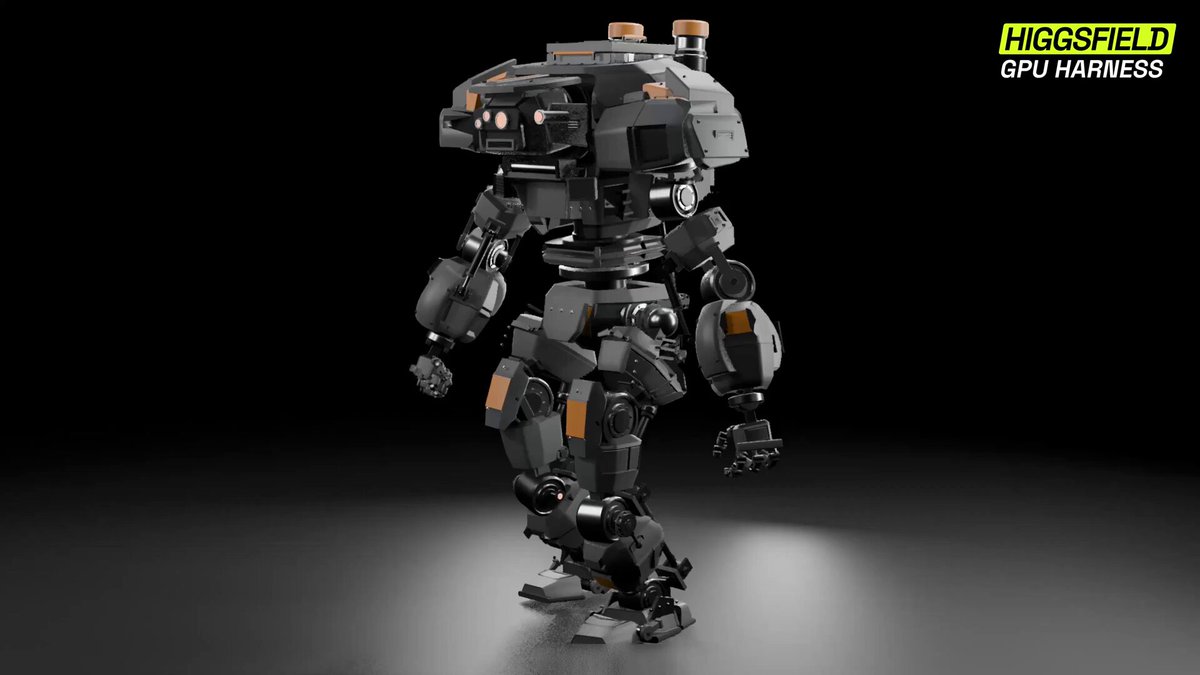
Higgsfield shows Fable 5.2 modeling a 184-part mech in Blender and renting a GPU for a walking render. The post reports 14 minutes and 17 credits without a full billing breakdown; these are case-specific figures.
Genie 4 demonstrates live world edits

Sundar Pichai shows new prompts, characters and scene changes during exploration, with native audio adapting in real time. Access is for eligible Google AI Ultra users. The post adds interaction detail to the earlier launch.
Gemini 4 Neon prompts cost-capability comparisons
Jim Liu discusses Neon’s Artificial Analysis intelligence score and pricing. The model was announced earlier; this is comparison and commentary. Leaderboard snapshots depend on versions, settings and tasks.
Neon gains multimodal interface examples

A creator shares Neon-generated components and motion based on reference images, saying it can replace Opus 5.5 for his tasks. This is an individual workflow judgment, rather than a general model ranking.
Spreadsheet formulas become a visual workspace
fofr and a collaborator use Neon to display pixels in Google Sheets and calculate depth, Canny edges and recoloring with formulas. The experiment treats a spreadsheet as an inspectable visual-computing medium.
From a pixel character to an explorable room
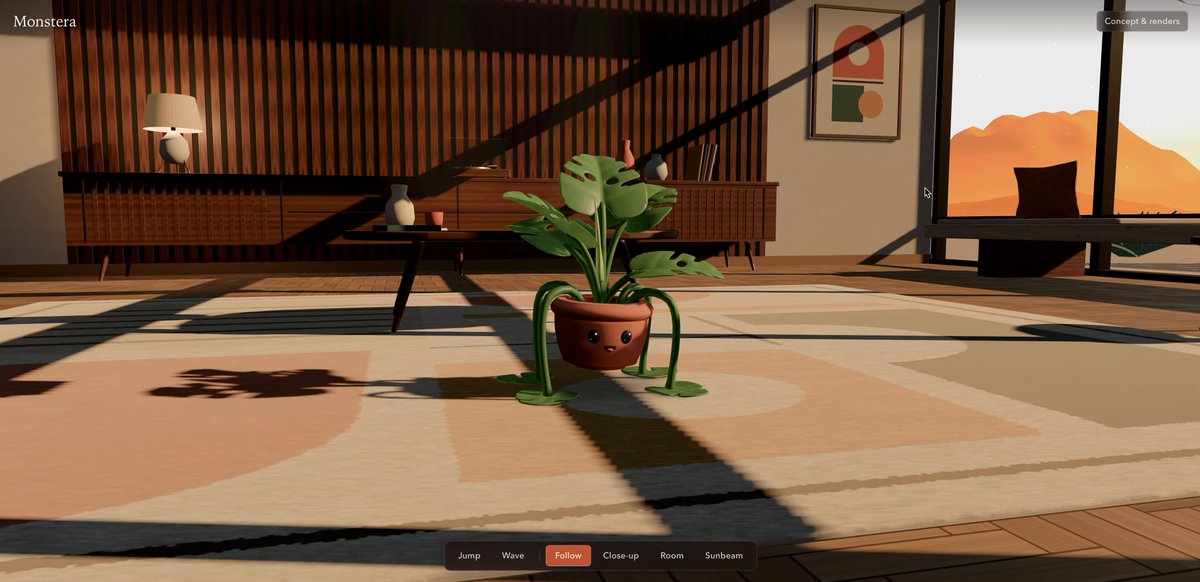
fofr shares a Neon workflow that turns a monstera pixel character into a higher-fidelity 3D concept in an explorable midcentury room. The example illustrates a cross-representation creative process.
GPT-6.2 turns a reference into a fairy-tale town
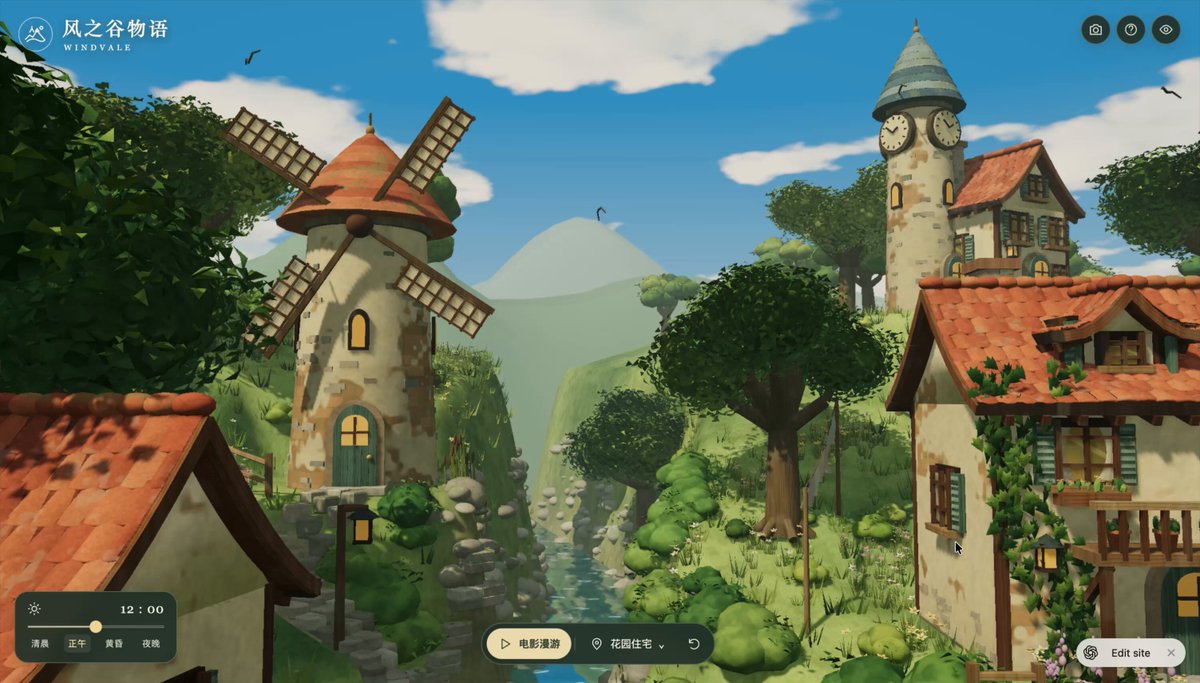
OpenAI’s developer account reposts a creator’s 3D town built with GPT-6.2 from one reference image, including eight approachable houses and animated details. This is a creator showcase.
A repeated prompt probes procedural scenes

Ethan Mollick revisits a drowned neo-Gothic city shader prompt with GPT-6.2 Astra, noting added deterministic elements. The result is a personal comparison, rather than a broad measurement of model progress.
Tripo emphasizes the work after 3D generation
Linus Ekenstam introduces Tripo Agentic Canvas around editing, variations and moving between tools, beyond generating a first asset. The post is a product introduction without independent performance testing.
RGBMocap adds live MetaHuman streaming
CoffeeVectors relays RGBMocap support for live Unreal Engine MetaHuman motion streaming and recording. The post does not specify latency, tracking accuracy or hardware requirements.
AI Gateway reports a changing spending mix
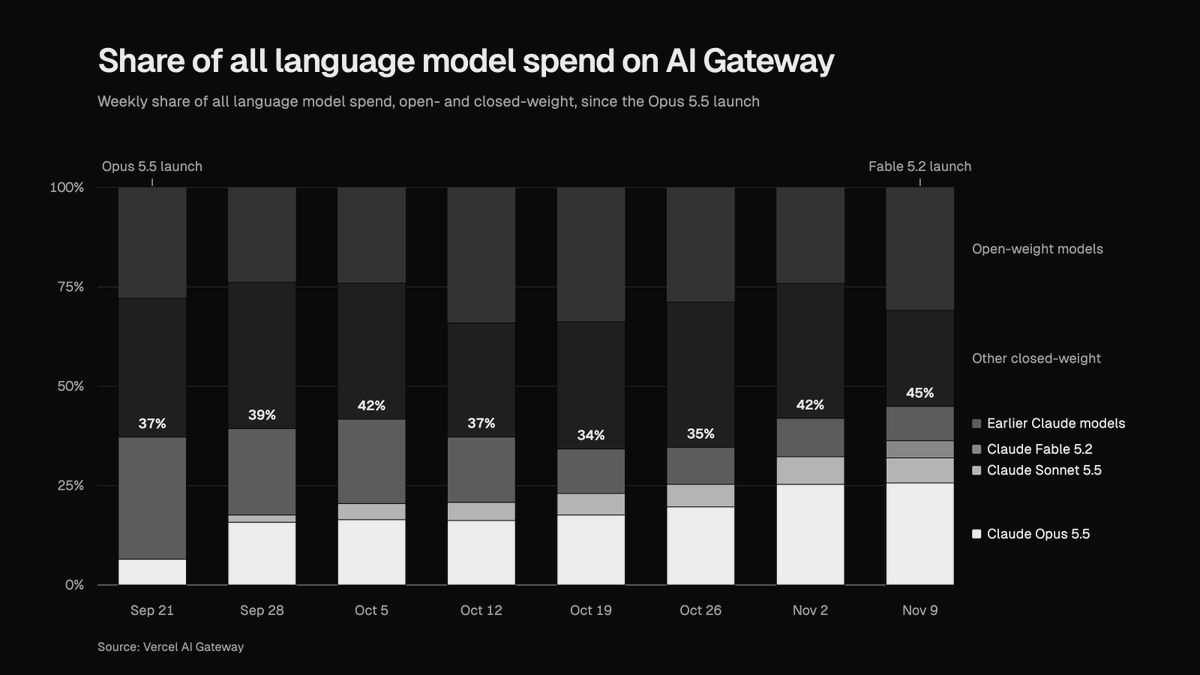
Vercel reports Anthropic rising from 52% to 65% of closed-weight spend, while open-weight models rose from 2% to 29% of all gateway spend. These have different denominators and are not industry-wide market shares.
ParseBench acknowledges a scoring mismatch
LlamaIndex describes a ParseBench-1 financial-statement case where a parser that broke a dollar amount scored above a correct result. The example shows why document parsing evaluations need error-level inspection.
Enterprise model discussions shift to data flows
Ollama CEO Jeffrey Morgan says conversations with CIOs and engineering leaders are shifting from where models run to where data goes. This is his account of enterprise discussions, highlighting data-governance concerns.
A pelican test compares reasoning settings
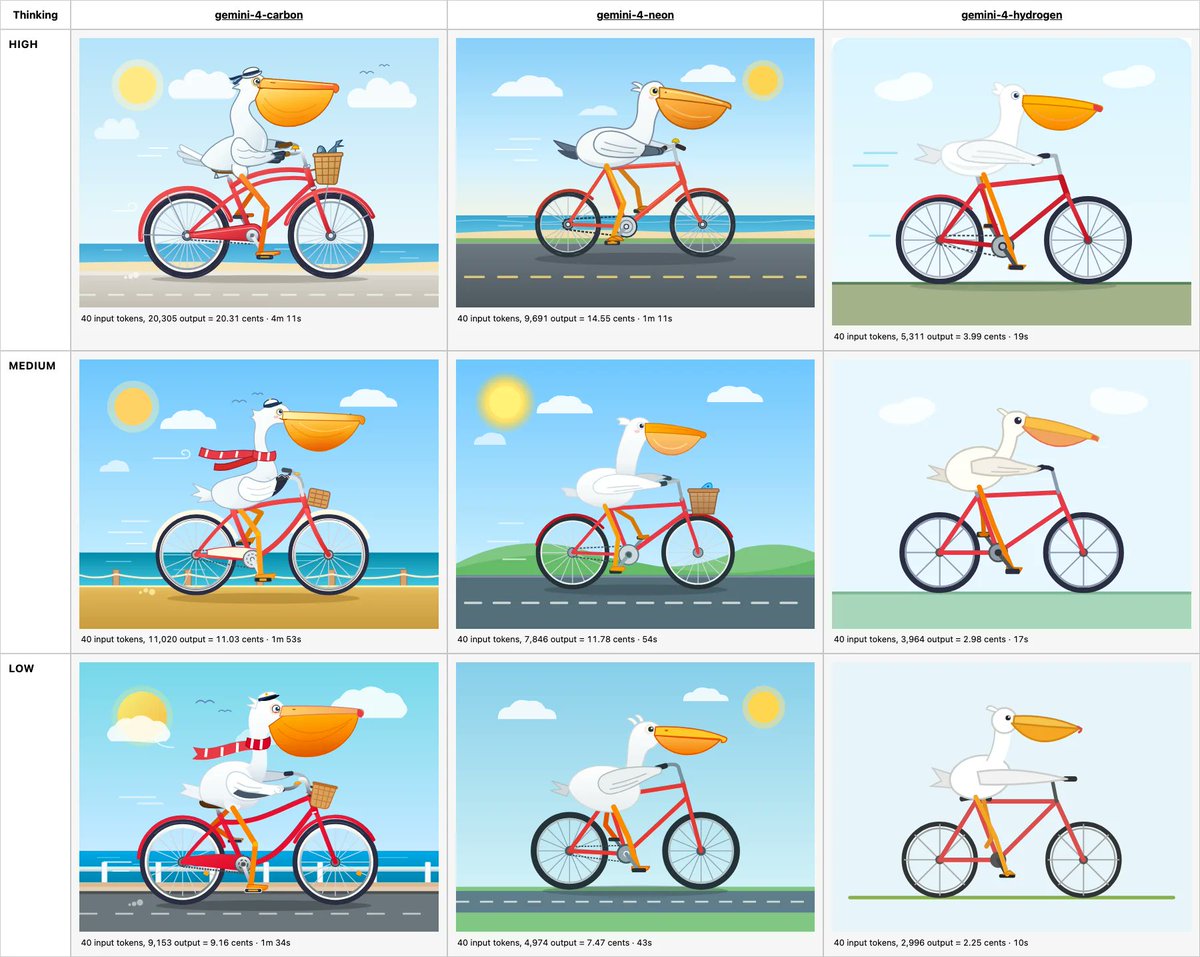
Simon Willison uses the bicycle-riding pelican prompt across Gemini 4 Carbon, Neon and Hydrogen at different effort levels. The small probe illustrates configuration differences, rather than comprehensive model capability.
Security maintenance and AI outages need context
Arvind Narayanan argues that some recent outages involving AI reflected defenders finding and patching longstanding bugs. He urges separating vulnerability discovery, patch deployment and newly introduced failures.
User-chosen agents raise a permission question
Ethan Mollick expects customer frustration when companies prohibit users from using their own agents with their accounts or computers. This is a product-policy prediction about control and permissions.
An AI-reply list sparks moderation discussion
Pieter Levels publishes a list he says contains 3,728 automated AI-reply accounts, including 498 suspended accounts. The site offers human-reviewed appeals and reports. Counts come from the maintainer, not an independent platform census.
Koray favors reliability over one AGI test
Google DeepMind’s Koray Kavukcuoglu argues that no single benchmark will establish AGI. He frames progress as less uneven capability and greater reliability across everyday tasks.
Denny Zhou reflects on the model-data loop
Denny Zhou contrasts the familiar idea that the best data makes the best models with stronger models now making better data. It is an observation about a feedback loop, not a claim that all training data is replaceable.
Jason Wei highlights new ways to measure
Jason Wei argues that as AI optimizes what can be quantified, new ways of measuring the world become a source of value. The observation connects model optimization to the choice of objectives.
Mistral announces a London Le Chonk hackathon
Mistral schedules a one-day Le Chonk hackathon in London on November 21. The event page lists an age requirement of 18 and teams of three to five; participants should check registration details.
Mistral and ClickHouse plan a Paris hackathon
A December 5 Paris hackathon focuses on agents that predict and act, using Le Chonk, Timestral, ClickHouse and Langfuse. Advance registration is required.
RL Residency offers resources for independent research
Omar Khattab relays Prime Intellect’s RL Residency, offering compute grants and mentorship for independent researchers building open evaluations and training environments. Eligibility depends on the program’s announcement.
An illustrated Agent Skills guide opens preorders
Jim Liu announces the English edition of An Illustrated Guide to Agent Skills, about turning repeatable tasks into reusable workflows. The listing gives February 9, 2027 as its release date; it is a preorder.