GLM-5.4 loops its layers to broaden coding
Z.ai introduces its first Loop Transformer, reusing GLM-5 layers for greater computational depth and adding vision for video, games, 3D shaders and CAD. The API is coming soon; weights are planned after safety hardening, rather than already available.
Claude Ship beta reviews, fixes and approves by policy
Claude Ship combines code review with beta agents for fixes and approval decisions. Teams choose repositories, approval policies and changes requiring people; branch protection and required checks still apply.
NVIDIA board reinstates Jensen Huang
NVIDIA’s November 23 announcement says its board unanimously reinstated Huang as president, CEO and director, effective immediately. Colette Kress continues as CFO.
OpenAI revisits its 948 Linux privilege-escalation findings
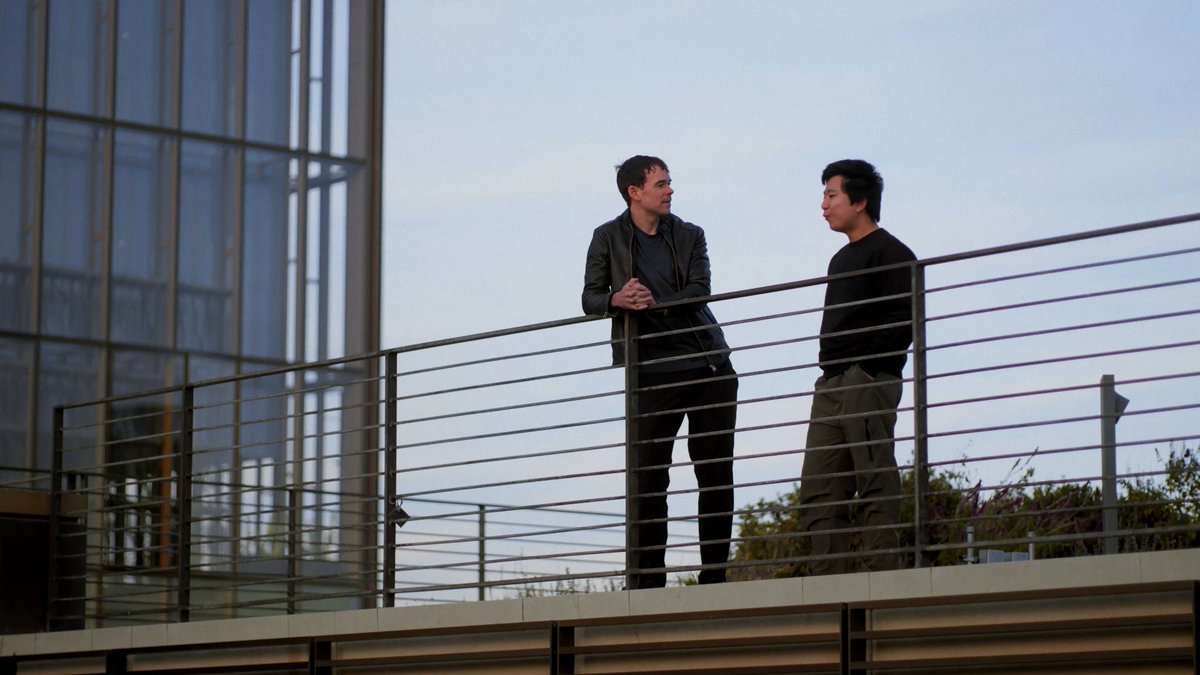
OpenAI reshared research on a controlled run that validated 948 local privilege-escalation vulnerabilities and proposed patches for maintainer review. The research dates to November 4; the count does not mean 948 newly found zero-days or 948 merged fixes.
Shirudo uses eBPF to buy defenders time
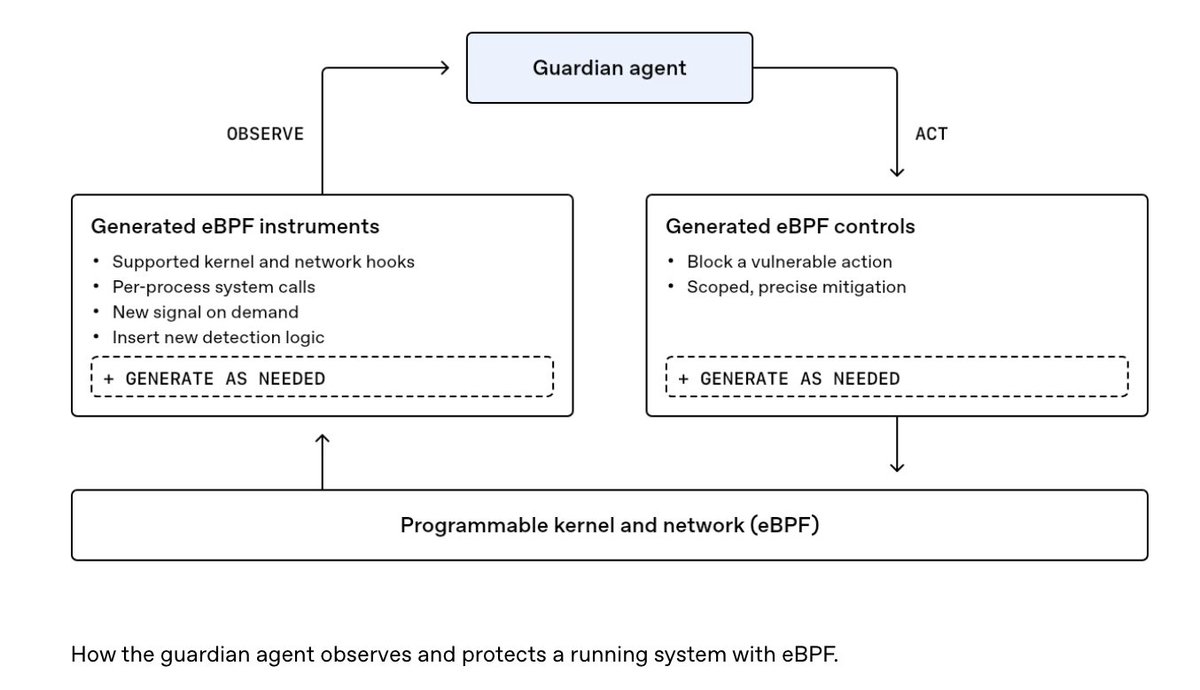
OpenAI and Cisco introduce an open-source Linux security project for agents to build and test signed eBPF defenses while permanent patches are prepared. The repository marks it pre-release, with kernel and TPM requirements for production targets.
Claude tests zero retention with enterprise safeguards
Eligible Claude Platform organizations can join a public beta that sends encrypted Messages API traffic copies to their own cloud storage and flags serious risks for team review. Availability is limited to eligible organizations.
NVIDIA previews a podcast on agent boundaries
An upcoming episode discusses limiting agents acting on users’ behalf, such as booking tickets without exceeding the delegated task. It is a program preview, not a new security product.
8.1M parameters for CPU document parsing

LlamaIndex releases OCRia-nano-1 weights: seven specialized models totaling 8.1M parameters for text, tables and layout in LiteParse. Its benchmark averages 426 ms per page on one CPU core; difficult documents may still require larger models.
Hunyuan Hy4 arrives on Ollama Cloud
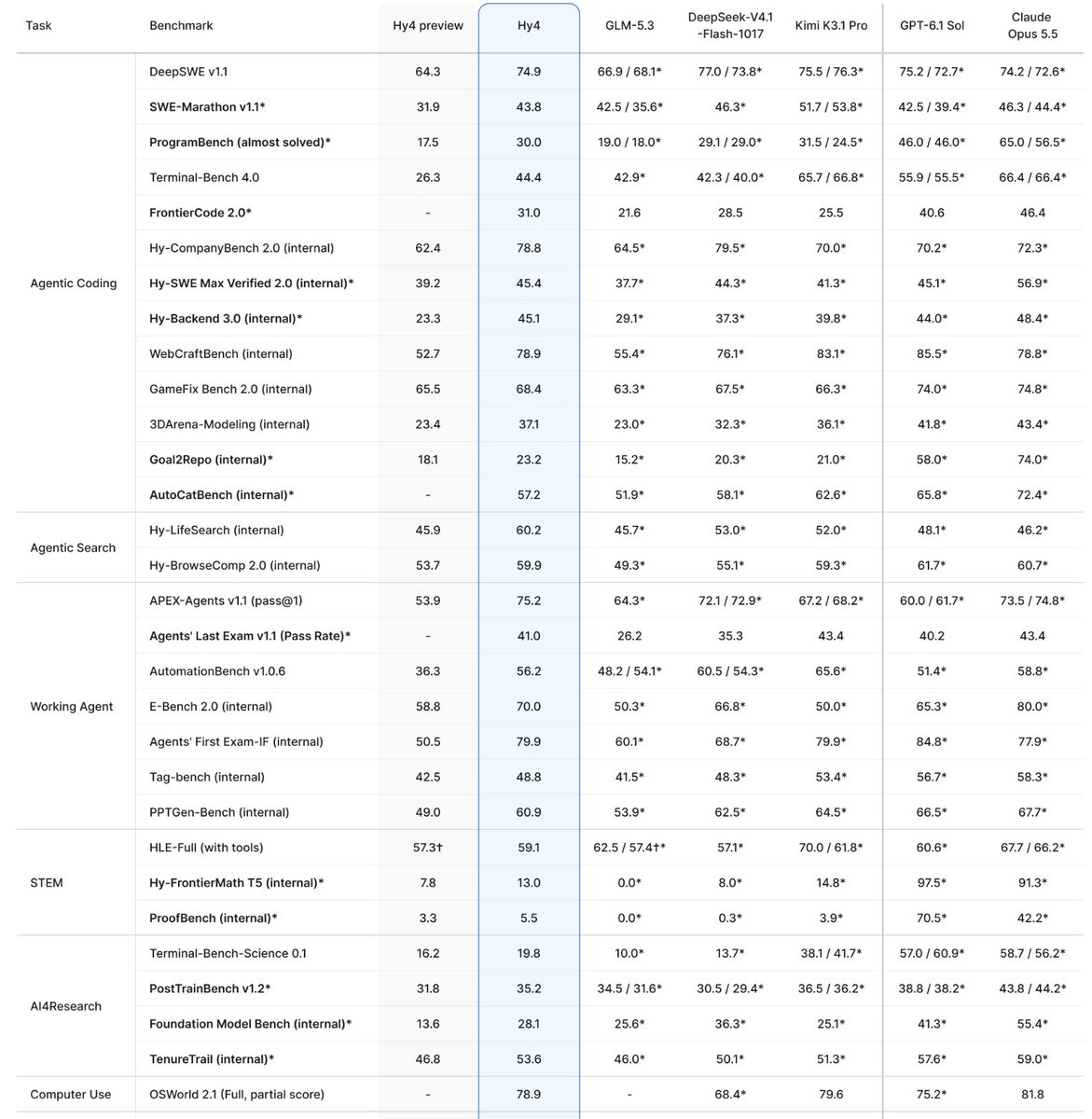
Ollama lists Tencent’s 770B Hy4, with 49B active parameters per token, vision and computer use. It says hosting is in the US with zero data retention. This is cloud availability, rather than a claim about ordinary local hardware.
vLLM tests KV offload without a DRAM tier

The team reports a 1.8TB NVMe pool within 1% of an equally sized DRAM pool on Kimi-K3, 16 AMD MI355X GPUs and AgentX traces at 48, 70 and 96 sessions. This is an offload-workload result, rather than general storage equivalence.
SGLang supports Ling-3.2-air on day one
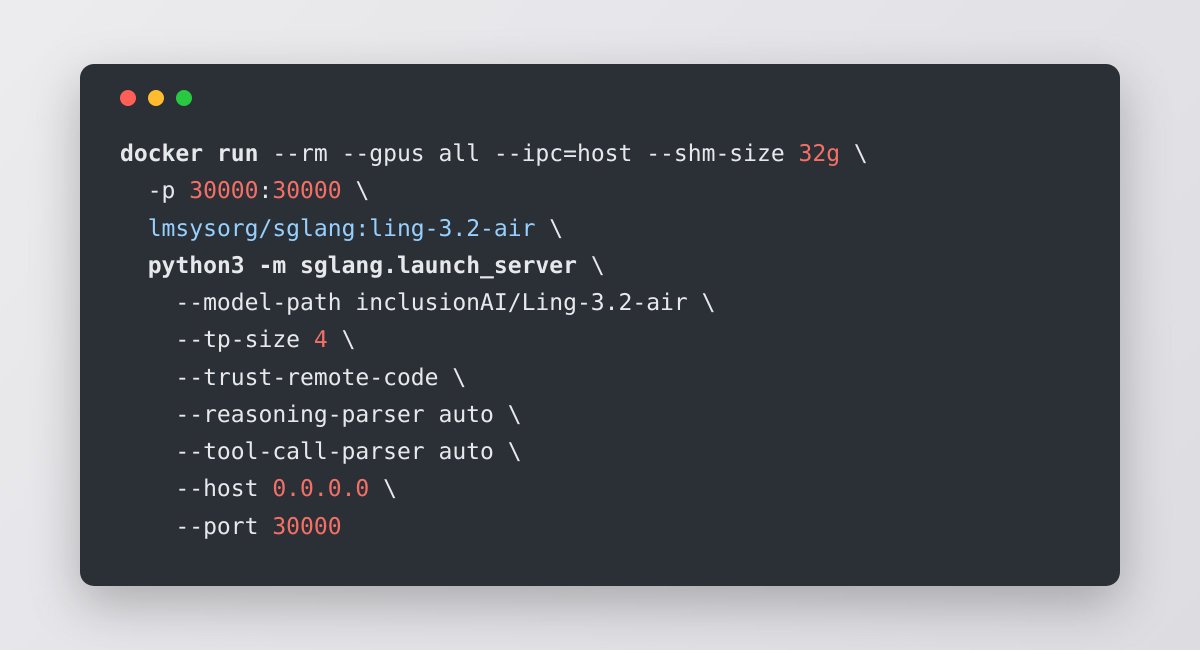
The 124B MoE model activates 5.5B parameters per token, uses hybrid attention, supports image and video input, and offers up to 1M context.
Hugging Face kernels natively support Metal/MLX
kernels v0.19.0 adds MLX kernel support on Apple Silicon, buildable via configuration and loadable directly from the Hub.
Apple Silicon gains NVFP4 and MXFP8 Metal kernels
Hugging Face relayed that Arthur Zucker added native NVFP4 and MXFP8 Metal kernels for local AI on Apple Silicon.
TML shares a variable-loop research model
TML-d24-varloop-research is an Apache 2.0 open-weight Inkling 2 Mini variant with 26.4B parameters and 3.4B active on one pass. Three passes correspond to about 5.4B effective active computation; loop count changes compute.
Cohere promotes Kolibri 1.1 improvements
Cohere describes Kolibri 1.1 as faster, cheaper and better, while emphasizing continued improvement of open models. The captured post provides no comparative benchmark or pricing details.
GLM coding plans gain usable tokens
A shared update notes GLM-5.4 vision and Coding Plan availability. Official documentation says current plans receive 1.5 times the usable tokens on the same quota versus 5.3; legacy V1 plans are excluded from this increase.
Sakana revisits Sawara’s development direction
Sakana AI shares Takuya Akiba’s discussion of pretraining Sawara from scratch for agent workloads and balancing compute with research efficiency. The post does not establish released weights or an available API.
LoopRes explores looping pretrained models
A shared research announcement describes LoopRes, which loops pretrained LLMs to seek improvements. The captured text cuts off before the numerical results, so no gain or universality is inferred.
Gemini agents design quantum circuits at 10x lower cost
Google DeepMind used a team of Gemini 4 agents to build new quantum circuits, claiming future simulation costs could drop by up to 10x.
Self-edited weights gain 6.6 points on math tests
A shared research paper gives Qwen3.5-27B its weights, graded feedback and execution tools without gradient training. It reports held-out math accuracy rising from 57.2% to 63.8%. The controlled experiment does not establish unlimited recursive self-improvement.
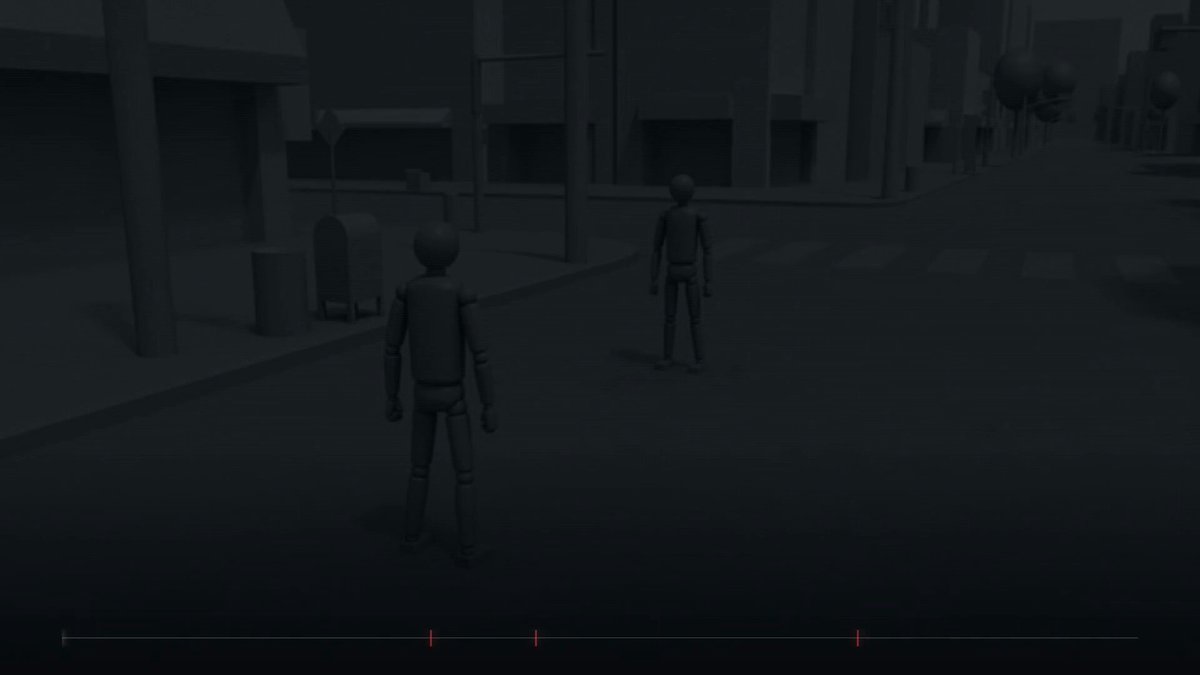
GameWM separates game rules from generated visuals
A lightweight engine owns rules, state, camera and layout; video models generate appearance and interaction detail. The paper describes a 5B–33B family and a real-time causal variant, while the engine retains hit timing and numerical outcomes.
Replit: more agents can also make results worse
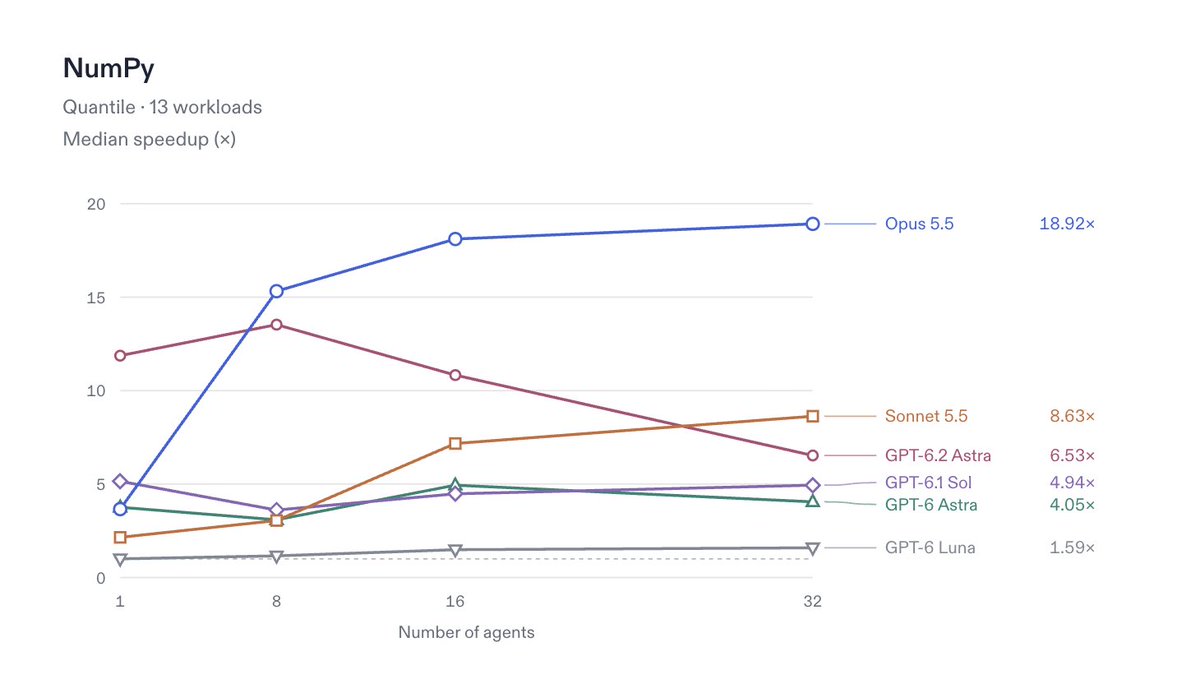
Masad reshared Replit’s November 19 swarm research. On selected NumPy performance tasks under a two-hour budget, 32 Opus agents beat one; Astra swarms deteriorated as they grew. Task, model and coordination matter.
AlphaAnything extends RGB generation to RGBA

The research adds LoRA and an alpha branch to a frozen RGB VAE decoder for transparent-channel generation. It extends pretrained components without rebuilding pretraining; that is not a claim of requiring no training at all.
NoPeWorld reduces object penetration
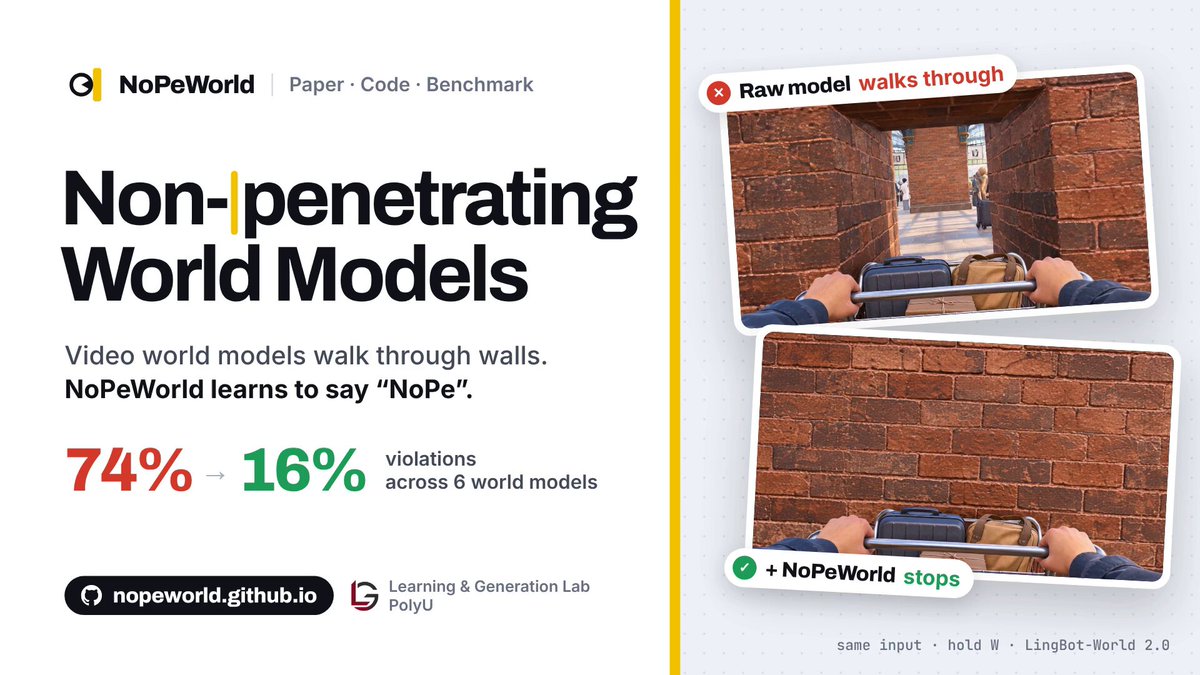
The paper introduces NoPeBench and a small safety head over frozen DiT states, replacing unsafe actions while preserving intent. Authors report average physical violations across six tested models falling from 74% to 16% on their benchmark.
Ai2 releases RoboTracker for point tracking in robot manipulation video
RoboTracker can track pixels in robot manipulation videos and is released on Hugging Face.
Resonate joins Replit for resumable agents
Replit announces Resonate is joining, emphasizing recovery after approval waits or system failures without restarting work. It frames durable execution as infrastructure for people setting direction and agents carrying out tasks.
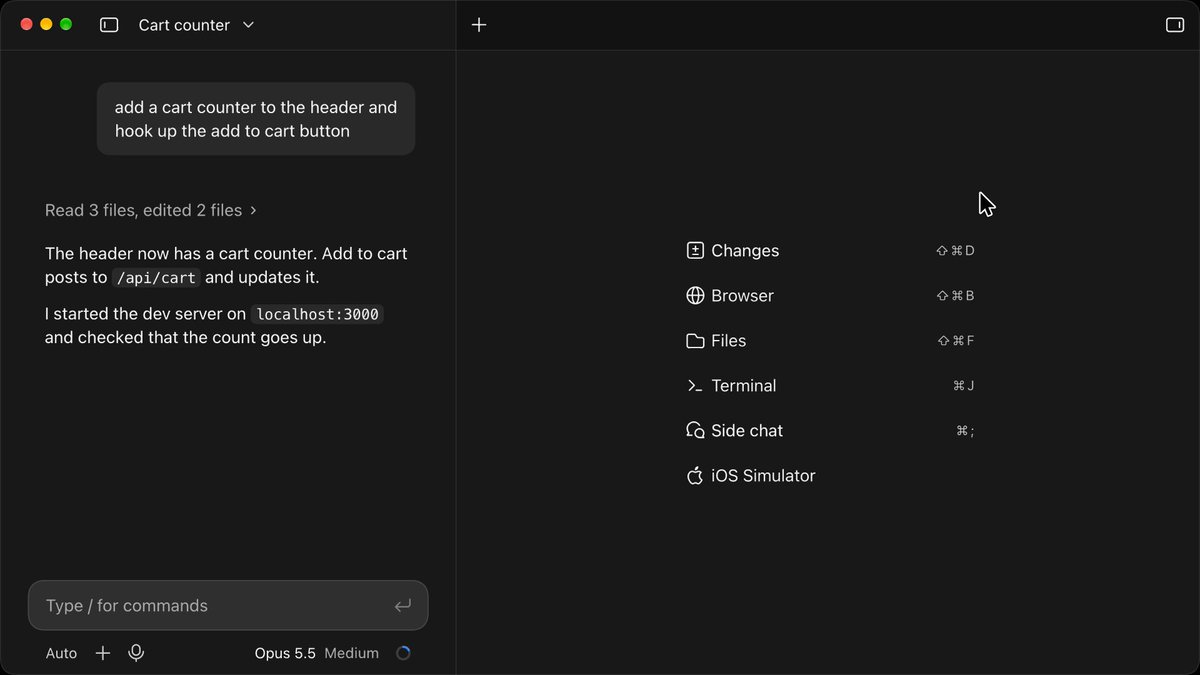
Claude Code desktop turns sidebar into tabs
Tools such as Files, Changes, and Terminal become tabs beside the session; it is available on Mac, with Windows and Linux to follow.
Missions starts with goals, budgets and success criteria
Replit’s weekly recap describes Missions agreeing success criteria and budget before agents work toward a goal. Desktop Agent is generally available; these features do not guarantee unattended success on every long task.
Replit recaps Teams integration and Windows Local Work
A recap of last week’s Ignite announcements includes a Microsoft startup-partner award, starting issue work from Teams conversations, and Windows Local Work support.
Perplexity highlights Monitor API
Arav Srinivas describes monitoring agents in batch mode with natural language through Monitor API. The short post does not specify latency, quotas or reliability metrics.
Datasette recommends charts with heuristics
Simon Willison releases datasette-charts 0.1a0, built with help from Fable 5.2. It suggests chart thumbnails for tables or SQL results using heuristics and allows manual creation; AI-assisted development does not mean LLM-powered recommendations.
Canva launches MCP design engine open to agents
Canva MCP is open to any agent or developer, giving them access to Canva design capabilities.
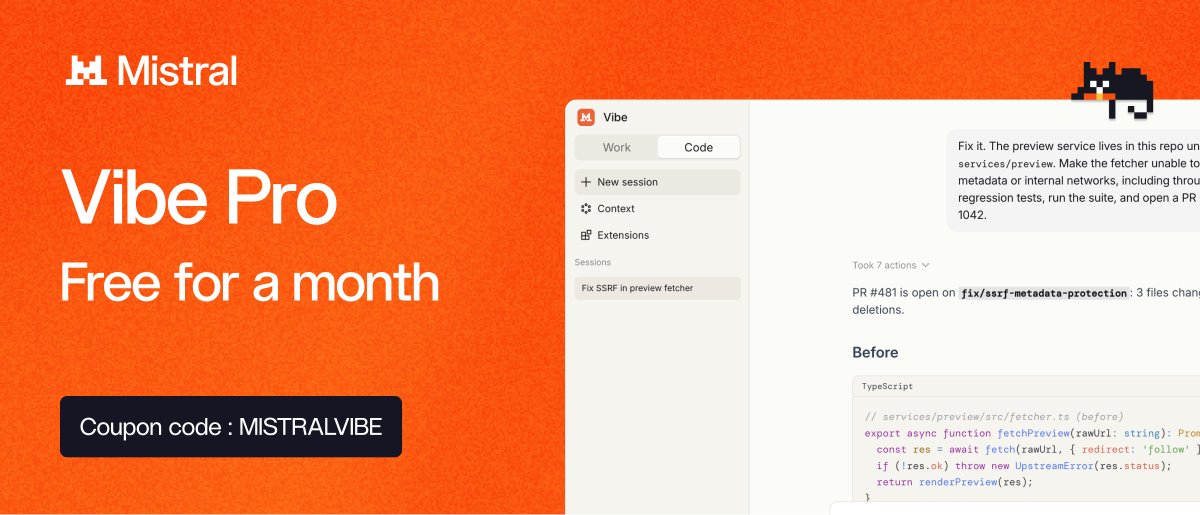
Mistral offers one month of Vibe Pro free to European users
After a previous free trial capacity ran out within an hour, Mistral now gives European users one month of Vibe Pro directly.
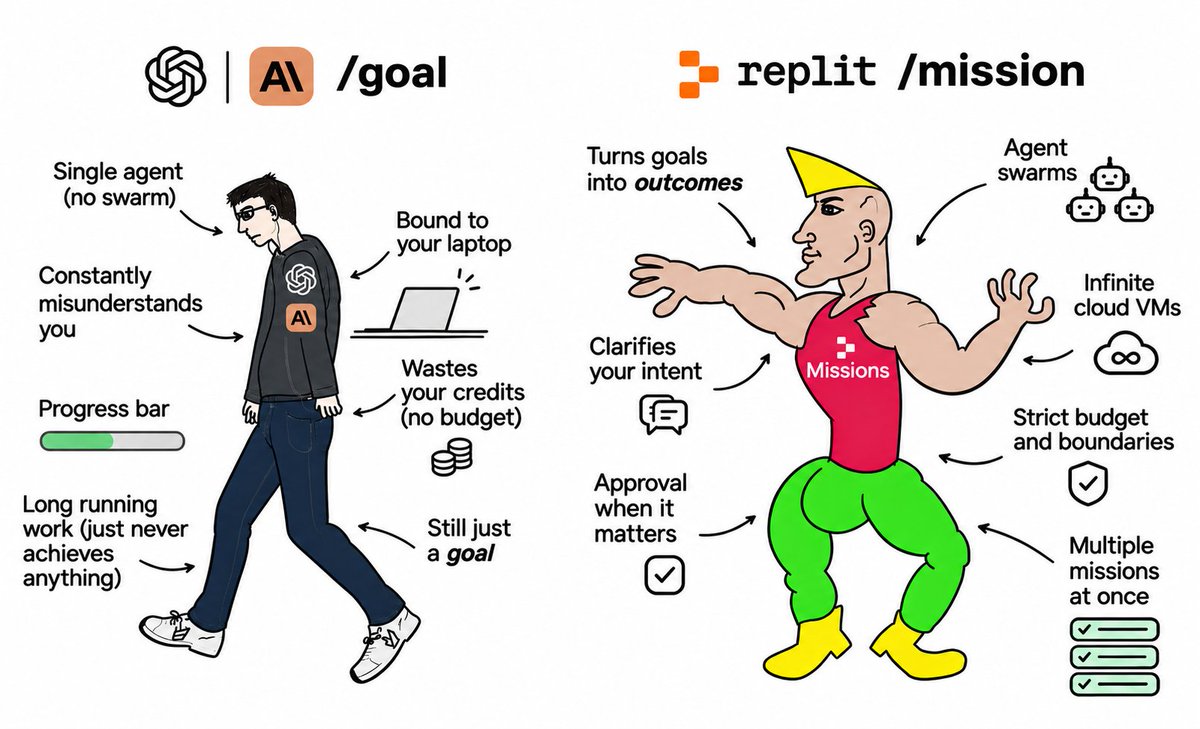
Replit illustrates /mission versus /goal
Masad shares a comparison diagram answering questions about the two goal-oriented modes. It is a usage reference rather than evidence of additional execution guarantees.
OpenAI launches OpenWorks to fund local AI experts
OpenWorks funds local AI experts to help small businesses develop and use AI tools; the program is free for small businesses.
Niels Rogge encourages saving agent traces
Clement Delangue relays Rogge’s suggestion to save frontier-model agent traces to Hugging Face for reuse and research, with sensitive content requiring care before sharing.
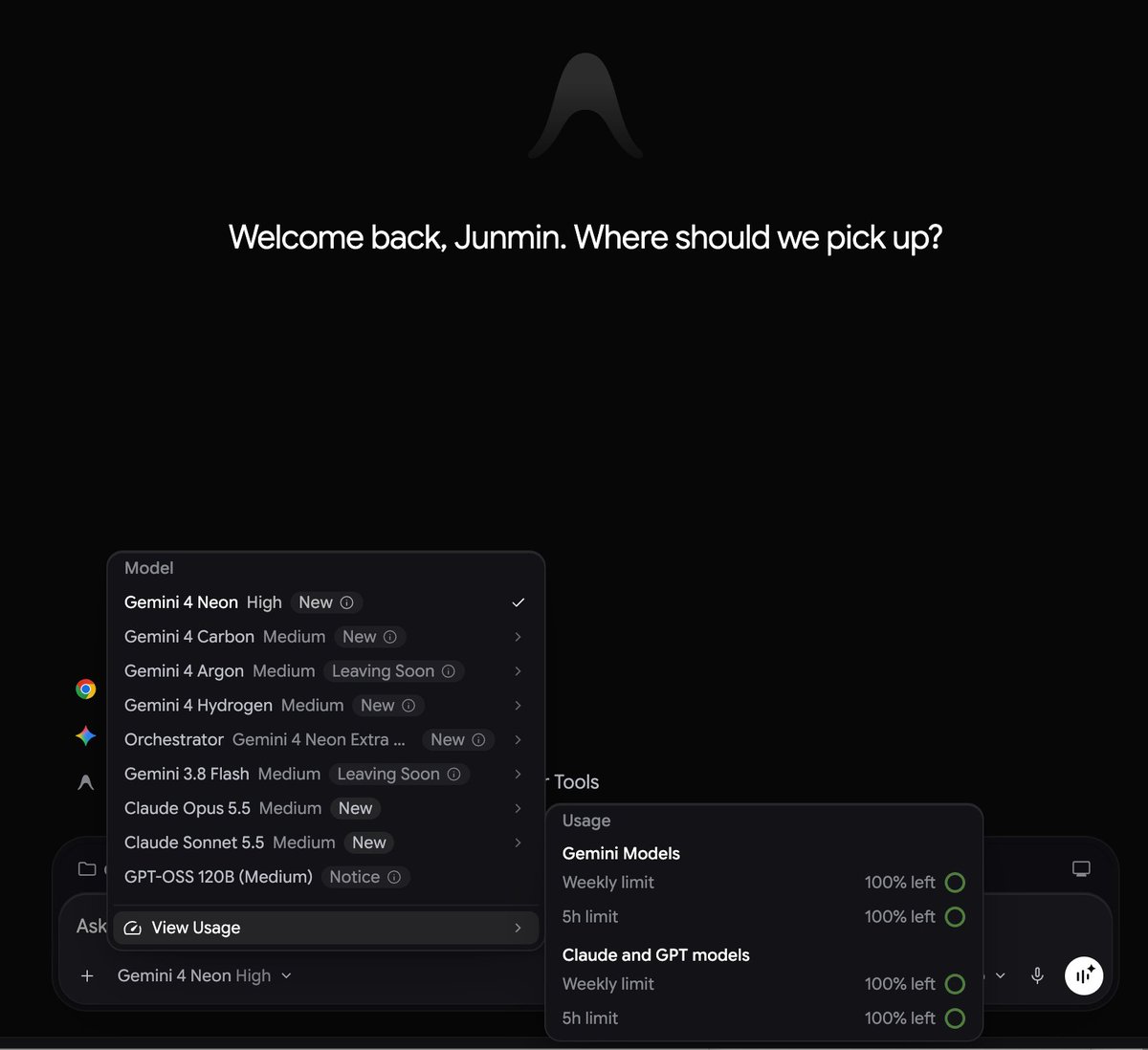
User reports Carbon access in Antigravity
A user reports reset quotas and Carbon availability for Gemini Pro through Antigravity, while the web app appeared unavailable. This is an account-level observation, not guaranteed universal rollout.
Wharton: shopping preferences shift with context
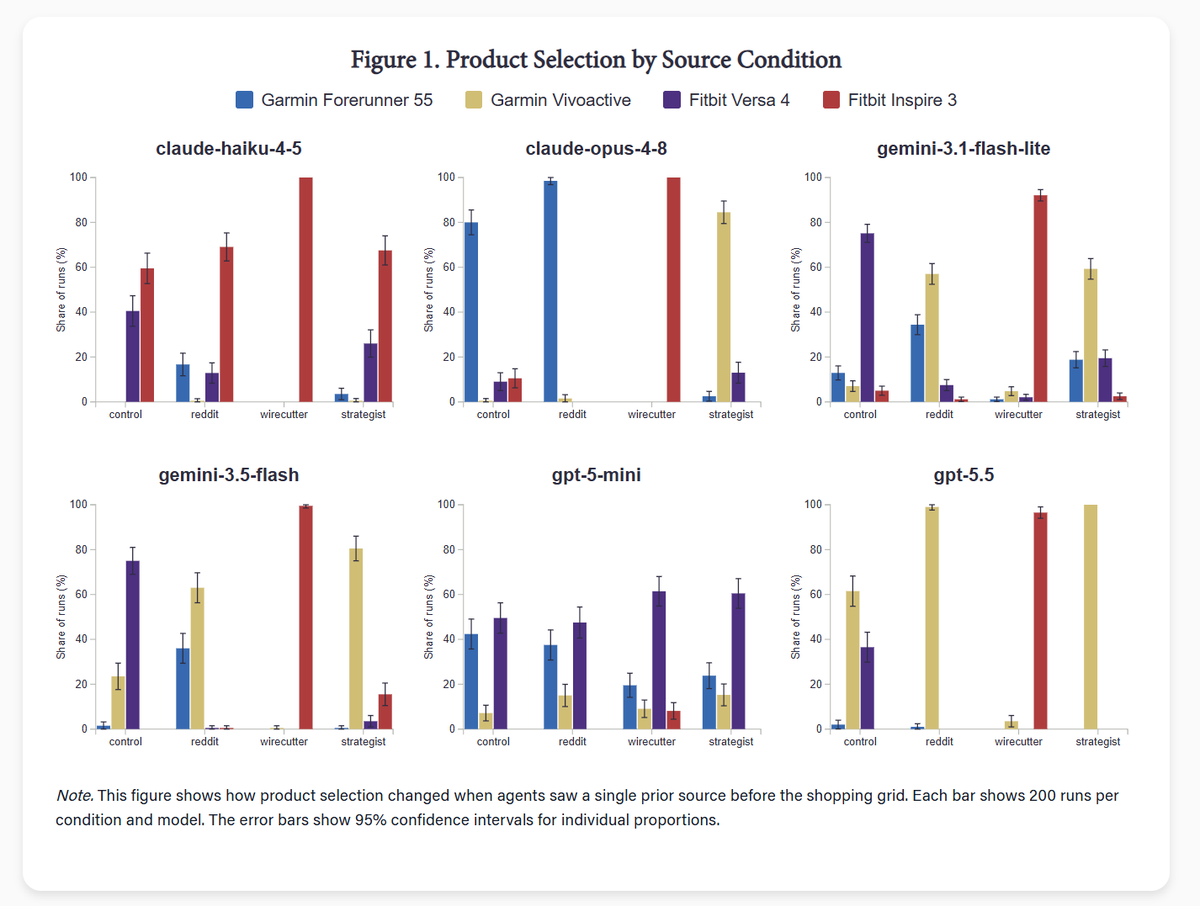
Across roughly 26,000 tests, recommendations were relatively stable with product pages alone. Review screenshots, source order, injected user memories and information presentation changed purchases. More context did not necessarily make recommendations more predictable.
11,000-plus tests examine agent recommendations
Olivia Moore and colleagues at a16z share a study with more than 11,000 agent tests on product, service and software recommendations. The captured announcement does not provide enough detail to infer a ranking formula.
Perplexity reports rising Neon usage
Arav Srinivas reports daily compound growth of 10.6% in user-generated Neon Ask queries and 15.0% in Computer tasks from November 19–22 on matched 22-hour windows. These are self-reported model-usage figures, not total user growth.
Neon growth clarification: no default routing yet
Arav Srinivas says Perplexity had not yet started routing traffic to Neon by default and attributes growth largely to users switching from Opus 5.5 and Sol 6.2. This clarifies the company’s own usage account.
Decider v1.3 wins a theme-park decision test, CEO says
Perplexity’s CEO says Decider v1.3 won a ValsAI roller-coaster theme-park benchmark and is free to try on OpenRouter. This is the company’s account, not an independent retest or a universal ranking.
Mollick contrasts approaches to agentic commerce
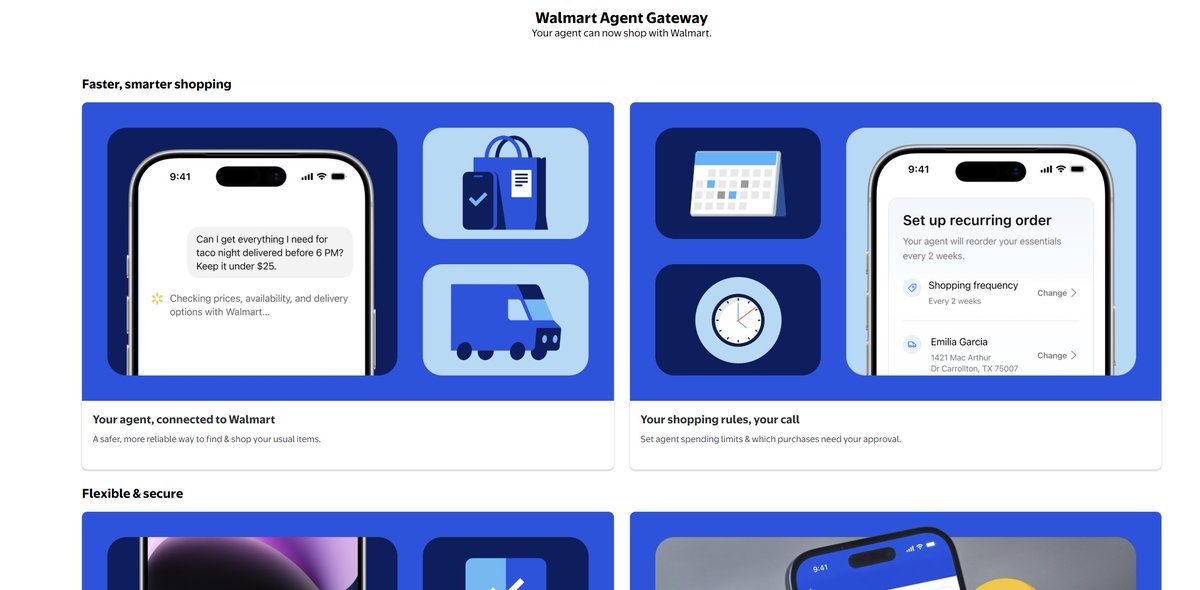
He says Walmart is embracing shopping agents while Amazon restricts them, citing Stripe data as a possible sign of emerging repeat usage. The captured post does not establish numerical growth or retention.
a16z invests in robot intelligence company Embo
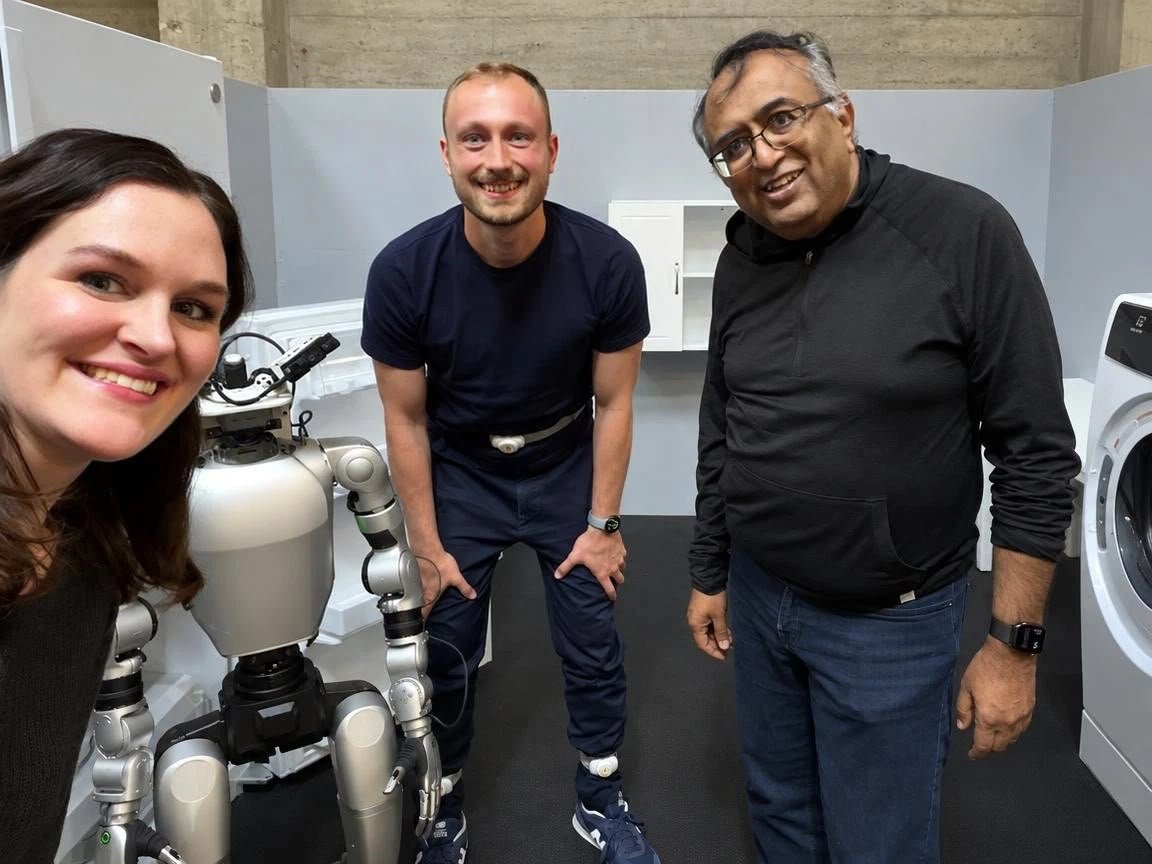
Embo aims to build adaptable robot “brains” that can handle real-world complexity.
AI spam lists receive agent-written appeals
Levelsio says agents are submitting appeals to be removed from his AI spam list. This is an operator’s observation, not a claim that he was placed on the list himself.
Grok Bot is promoted for finding shopping deals
Elon Musk briefly promotes Grok Bot for finding Black Friday deals. The post does not establish accuracy, success rates or autonomous purchasing capability.

Rebuilding the 1915 World’s Fair in Blender
OpenAI shows GPT-6.2 helping create a Blender reconstruction of San Francisco’s 1915 World’s Fair. This is generated imagery, not archival footage or independent verification of every historical detail.
Archival photos become a 3D Turing study

Google DeepMind demonstrates Gemini 4 Neon rebuilding King’s College Room X.8 in Antigravity from archival photos, including a working Universal Turing Machine. The reconstruction concerns Turing’s room, not a new validation of his research.
Runway can create in ChatGPT with GPT-6.2 Astra

A demo showed a workflow combining Astra generating the Roman Pantheon, Blender handling the shot, and Runway generating a festive scene.
Kling Image 4.0 generates 10 consistent images from one prompt

The new version can generate up to 10 images at once around the same subject and visual style.
Recraft lets users attach a chosen font

Recraft says users can attach the specific font they want to image generations. The announcement does not establish perfect glyph or layout reproduction on every attempt.

Painting studies with Neon
fofr shares generated paintings exploring Neon’s visual style and composition. These are creator examples rather than photographs or a general image-quality ranking.
PixVerse launches Polyjuice photo-to-scene feature
Upload one photo to turn the user into the protagonist of a GTA-style scene and enter a browser mini-game in the same world.

Higgsfield launches open-source AI K-pop short film project
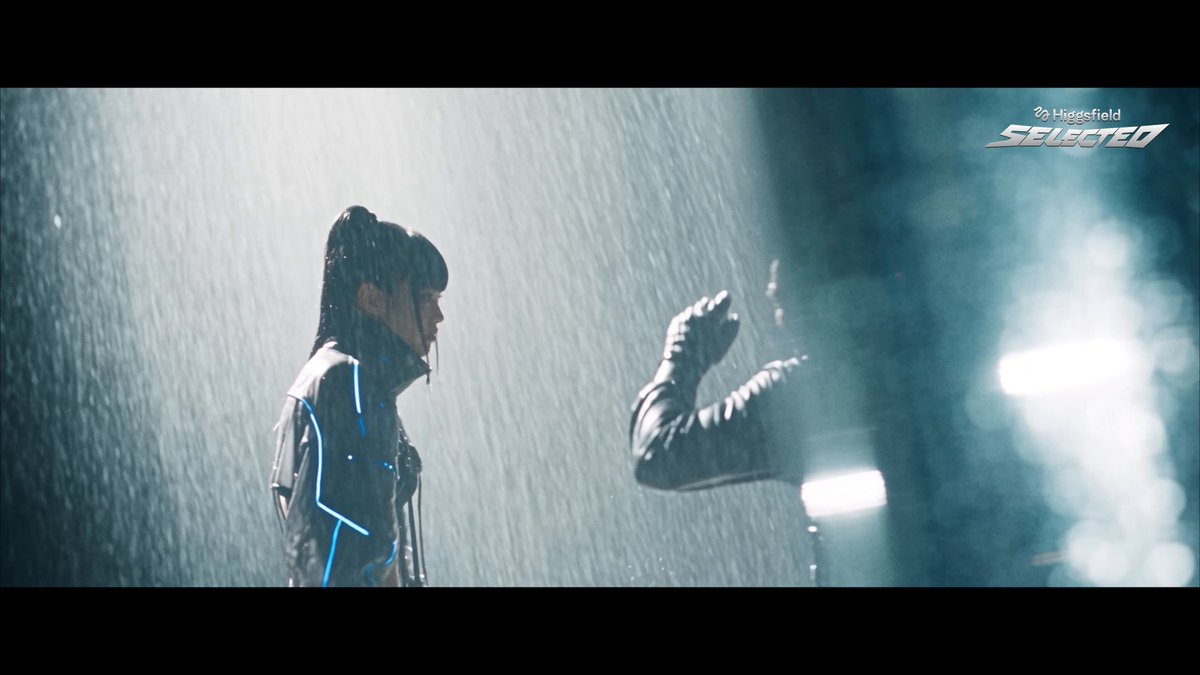
The 7-minute action film is about an AI K-pop idol searching for its origins, with full prompts and assets open-sourced.
Kling shares an AI-hybrid documentary award
Kling says Aljoša on the Brain Train received a Gold Clio, with its animation made entirely using Kling AI. That describes the animation, not every source element in the documentary.
Vidu showcases Tang-dynasty mythical-beast AI short film
The creator used Vidu Q4 to present 15 mythical creatures and a fantastical journey through ancient China.

Three models write scripts, Seedance renders them
Olivia Moore asks Fable 5.2, Astra 6.2 and Neon 4 for scripts, then creates videos with Seedance to compare choices. This is a creative experiment rather than a controlled general-purpose model evaluation.

Recraft claims a top-three image position on OpenRouter
Recraft places itself alongside Google and OpenAI in OpenRouter’s image-generation top three. The captured post lacks a full metric and time window, so this is a vendor claim rather than a global market-share ranking.
Vidu promotes API trial credit packs
Vidu advertises Black Friday API credit bundles for testing real inputs and variations. The offer is time-limited; current billing terms and credit-consumption rules govern actual use.
Chollet separates two timescales of adaptation
He distinguishes immediate situational modeling from longer-term learning, with reasoning chains or program generation serving the former in modern AI. This is a conceptual perspective rather than a model release.
Lambert questions whether readable reasoning will persist
He argues human-readable chain-of-thought may be an efficiency cost of how inference-time reasoning first emerged, with looped architectures a step away from it. This is a prediction, not a proven universal outcome.
Meta AI chief Alexandr Wang writes on superintelligence
He argues AI lacks industry-specific expertise and experimental conditions, and opposes handing society directly over to AI.
Chollet sees algorithm gains as a software-driven leap
Commenting on lower quantum-simulation costs, he argues software improvements can resemble hardware advances and expects agentic research to accelerate software-reachable domains. This is his interpretation, not a new hardware result.
Fleuret reflects on Transformer readouts
He notes that linear readouts can be decoupled and learn different information, describing a Transformer as a superposition of super-MLPs. This is a research intuition rather than a new equivalence theorem.
Mollick points to gains beyond verifiable tasks
He argues human evaluations also show improvement in writing, business questions and design, rather than only math and code. The post does not supply a unified sample or effect size.
Lambert: intelligence remains jagged
He resists compressing capabilities into a single score and asks how other valuable domains compare with mathematics. This perspective does not treat the surrounding Riemann-hypothesis discussion as an accepted mathematical result.
Fleuret questions human-style intermediate structures
He argues models may find structures in complex information without explicitly packaging intermediate results as humans do. This is a view about reasoning organization, not certification of a particular proof.
Neel Nanda praises OpenAI’s recent transparency
He believes OpenAI’s misalignment reports have improved in quality and are raising industry transparency standards.
Raschka reflects on CUDA’s engineering role
Sebastian Raschka recalls CUDA and GPUs helping deep learning take off, including AlexNet’s two GTX 580 GPUs in 2012. His assessment of current hardware leadership remains an opinion.
A serious image does not guarantee a good benchmark
Giffmana argues that apparently serious benchmark authors can produce flawed work, while playful anonymous accounts may make useful evaluations. The post does not provide a comparative methodology.
Placing open models on scaling curves
Arohan says MAI’s open-model reference points can help locate models on scaling curves. Comparability still depends on datasets, tokenizers and measurement definitions.
Comparing GPT-4 irreducible-loss estimates
Arohan relays a comparison between an external estimate near 0.706 and E around 0.71 in OpenAI’s chart. These belong to a particular fit and metric rather than a universal error floor.
Rauch uses coding sessions as a personal eval
He asked Fable to analyze fx coding sessions and compare Opus with Gemini Neon; it favored Neon. The linked site describes fx, an open native CLI agent in Zig. This personal workflow result is not a general benchmark.
Correction: Inkling bpb may not be directly comparable
Teortaxes acknowledges misreading a source and warns that Inkling bits-per-byte may not be directly comparable in the same way as the cited OpenAI figures. Metric definitions matter before ranking models.
You Jiacheng: agent artifacts go beyond text traces
A relayed perspective argues that modern AI systems produce artifacts, so evaluation should look beyond autoregressive traces alone.
Data quality is another pretraining scaling variable
Teortaxes argues tokens can become more valuable as data improves and models capture richer signals. This is a research opinion, without endorsing speculation about a company’s internal decisions.
A user questions Antigravity’s two-app experience
Teortaxes asks why the IDE mode and default application are separate and suggests bringing the workflow together. This is user feedback, not an announced product merger.
Commentary questions the usefulness of audit disclosures
A relayed comment by Yafah Edelman finds Anthropic’s METR auditing less useful than OpenAI’s released statistics. It is an individual transparency assessment, not METR’s conclusion.
Post-training and smaller models may shift costs
Teortaxes expects further post-training, smaller models and distillation to improve capabilities and economics, while noting saved compute may be reallocated to research and safety. This is a forecast.
David Yan argues for treating data as research
He advocates studying data properties and recipes as seriously as architectures and algorithms. Symbolic programs can generate controllable data, with coding agents lowering the creation barrier. The essay proposes a research agenda rather than a new benchmark result.
Community work maps open-model base losses
A relayed post describes mapping open models onto OpenAI’s base-model log-perplexity chart through estimation bridges. Reconstructed positions are not official scores on a shared private evaluation.
Teortaxes praises OpenBMB’s small-model work
He voices admiration for OpenBMB and interest in combining its work with stronger data and looping. This is a research preference, not a new release or partnership.
How reasoning traces might affect pretraining
Teortaxes suggests that richer reasoning traces in training data may help larger models connect information. This is an interpretation of pretraining, not a verified explanation of all capabilities.
Community post highlights MoE training on Ascend
Teortaxes shares material attributed to China Telecom’s AI team, describing pretraining on Ascend 910C with about 17B active parameters. This is a community account; broader claims that all software challenges are solved are unverified.
A call for comparable open-model evaluations
Teortaxes proposes a temporary evaluation group publishing log-perplexity for major open models on one dataset, distinguishing base and post-trained models. This is a proposal, not a newly established organization.
Four research directions in focus
A relayed post by Sun Hanchi lists continual learning, control, high-dimensional continuous generation and a unified theory of deep learning. No additional conclusion is inferred from the truncated continuation.
METR’s October R&D assessment is recirculated
The linked November 5 report assesses AI R&D acceleration at Anthropic in October. The captured page does not provide detailed methods or quantitative conclusions; projections combining it with OpenAI charts are the poster’s extrapolation.
Separate measured values from reconstructed points
Teortaxes says MAI figures align with OpenAI’s dataset and tokenizer while some open-model points are reconstructed. This is his account; private evaluation access is not independently confirmed here.
GLM-5.4 speed: one user’s report
Oran Ge found GLM-5.4 slower than Gemini 4 Carbon in personal use. Without token rates, load or reasoning settings, this cannot establish a general performance ranking.
Grok Bot 1.0 updates team and meeting capabilities
Updates include team Bot improvements, Bots joining meetings, proactive actions, and more capabilities.