GPT-5.6 Sol Sets New State of the Art in Cybersecurity
OpenAI's latest model achieves breakthrough results on "The Last Ones" cyber range, with capabilities already translating into real-world defensive outcomes for teams finding and patching production vulnerabilities.
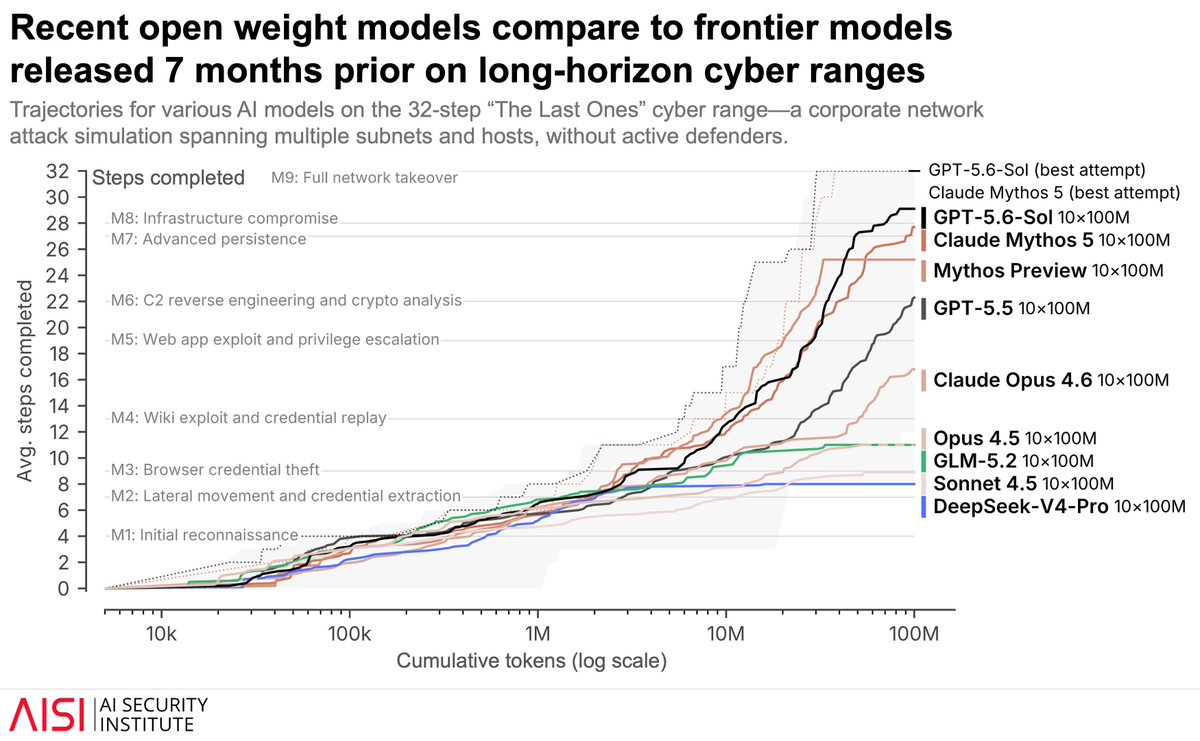
OpenAI announced this week that GPT-5.6 Sol sets a new state of the art in cybersecurity on "The Last Ones" cyber range, a rigorous benchmark for vulnerability discovery and remediation. The capability is already translating into measurable defensive outcomes: security teams are using the model to find, validate, and fix vulnerabilities in real-world production code. Greg Brockman, OpenAI President, described Sol as "the state of the art in cyber," noting that the team is seeing significant results applying it to novel vulnerability discovery. Defenders can sign up through Codex Security to deploy the model against their own systems. The release marks a significant step in AI-assisted security, moving beyond theoretical benchmarks into operational deployment.
The announcement comes amid a wave of model comparisons across the industry, with multiple independent evaluators benchmarking frontier models against one another. GPT-5.6 Sol has been tested against Kimi K3 across dozens of scenarios including animation generation, game rendering, and code evaluation tasks. The model's cybersecurity capability represents a distinct specialization within the broader landscape of general-purpose frontier models, reflecting a growing industry trend toward domain-specific agentic reasoning.
Kimi K3 Tops Coding Benchmarks, Rivals Frontier Models
Moonshot AI's latest model surpasses Fable on Vercel evals and places #2 on the Vals Index, signaling a shift in the competitive landscape.
Kimi K3 achieved the best performance in Vercel's AI coding agent benchmark, surpassing Anthropic's Fable with both higher success rate and shorter execution time on Next.js code generation and migration tasks. On the Artificial Analysis Intelligence Index, K3 scored 57, placing it alongside Opus 4.8 and GPT-5.6 Sol. The Vals Index ranked K3 as the #2 overall model, only slightly behind the top position. On the Frontend Code Arena, K3 secured the #1 spot, marking the first time a model from outside the United States has topped that leaderboard. The results represent a significant milestone for Chinese AI labs, demonstrating that frontier-class reasoning is no longer concentrated in a single geography.

Claude Platform Ships New Agent APIs After Six-Month Push
Platform leads Katelyn Lesse, Angela Jiang, and Jess Yan detail the APIs that help developers build and deploy agents faster in production environments.
Over the past six months, Claude Platform has added a suite of new APIs designed to help developers quickly build and deploy AI agents. The platform leads shared details on what has shipped and the patterns emerging in production deployments. The update reflects Anthropic's growing investment in the agentic layer of the AI stack as enterprises move from experimentation to deployment. The new APIs address common pain points in agent orchestration, tool integration, and reliability, building on patterns observed across thousands of production agent workloads.
"At its peak, Sun Microsystems was valued at $205 billion — got disrupted by Linux, x86, and commodity hardware — and ended up selling to Oracle for $7.4 billion, losing 96% of its value. Open source models running on local hardware may represent a similar disruption to the current AI ecosystem."
@AravSrinivas, CEO of Perplexity
Runway Agent Ranked No. 1 Across All Video Dimensions
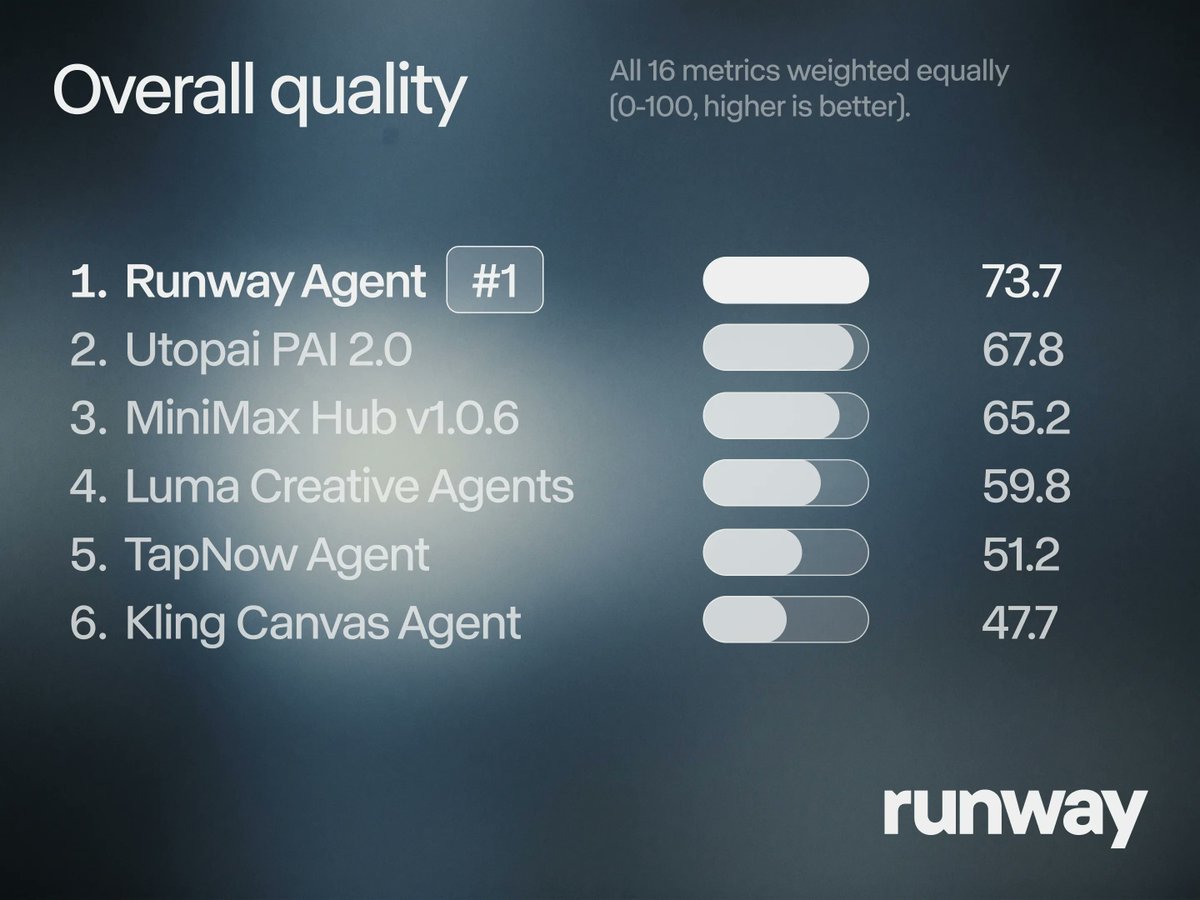
An independent human evaluation put six AI video agents through 30 cinematic prompts and 16 metrics. Runway came out on top in all three pillars: Narrative Coherence, Cinematic Language, and Production Quality. The evaluation marks a significant validation for Runway's approach to AI-generated video, as the field of video generation agents heats up with multiple well-funded competitors.
NVIDIA: Agents Become Specialized Through RL Post-Training
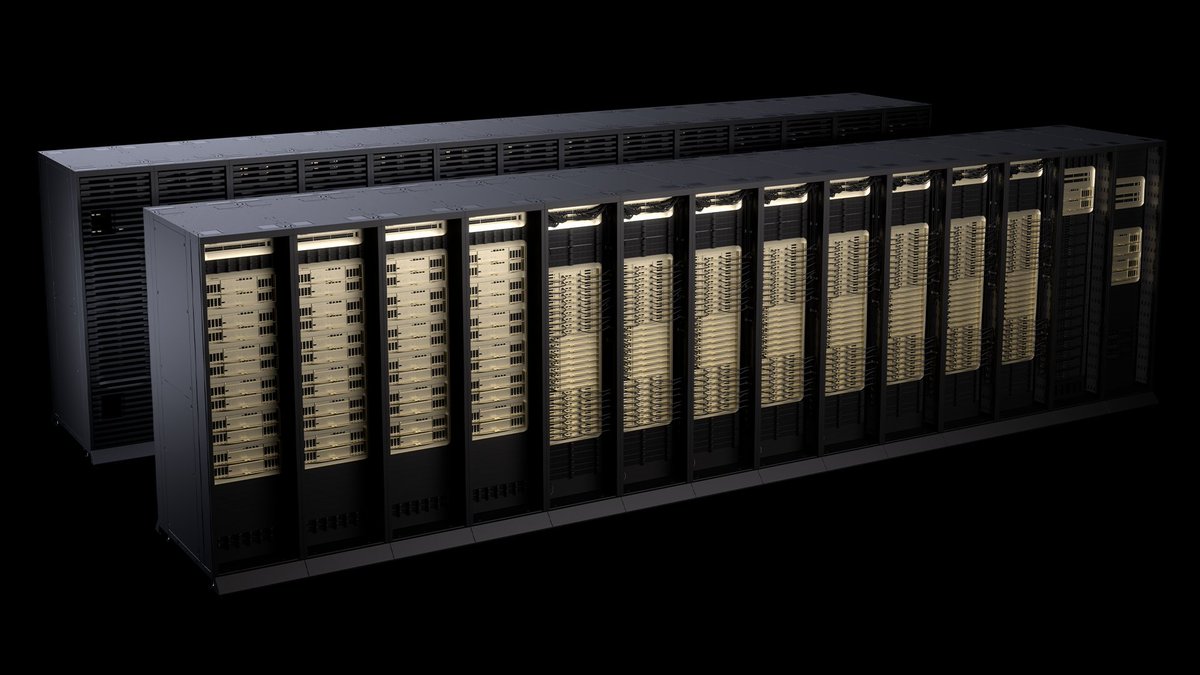
Agents are becoming increasingly specialized, using reinforcement learning post-training to develop domain-specific skills. Every post-training rollout is an inference call, so a lower cost per token flows directly into higher Intelligence per Dollar on every run. NVIDIA is positioning this as a key pillar of its inference economics strategy, where cheaper inference unlocks more sophisticated agent behavior through iterative improvement loops.
OpenAI Opens Community Showcase for GPT-5.6 Projects
Sam Altman shared "Welcome to Codex," a community showcase featuring projects built on GPT-5.6. ChatGPT Go, Plus, and Pro subscribers are invited to publicly share their experiences building with the model. The first 10,000 qualified participants will receive $100 in ChatGPT credits. Each entry links to the original post, creating a living gallery of what builders are shipping with the new model.
M3 Brings Long-Context Reasoning, Raven Adds Durable Memory
MiniMax M3 introduces long-context reasoning capabilities while Raven, the memory layer from Evermind, adds durable memory and reusable skills that help agent work compound across multiple runs. The integration aims to solve one of the hardest problems in agentic AI: maintaining context and learning across sessions.
Ollama 0.32.1 Improves Gemma 4 Tool Calling for Coding Agents
The latest Ollama release includes significant improvements to Gemma 4's tool calling, making it much more reliable in coding agent scenarios. With the MLX engine for maximum performance on Apple Silicon, users can launch agentic workflows with a single command.

How vLLM Ships Every 2 Weeks While Merging 2,000 Commits Per Month
A deep writeup from the vLLM team breaks down the three layers that keep the project production-quality at this velocity: automated testing, community review processes, and a structured release cadence. The project has become essential infrastructure for open-source model serving.
Replit Blocks 8,000 Malicious Packages Daily via SocketSecurity
Replit's partnership with SocketSecurity now blocks approximately 8,000 malicious packages a day and filters out 30% of false-positive critical vulnerability alerts. The focus on automated security allows developers to concentrate on building rather than triaging alerts.
Cohere Co-Founders Named to Observer AI Power Index
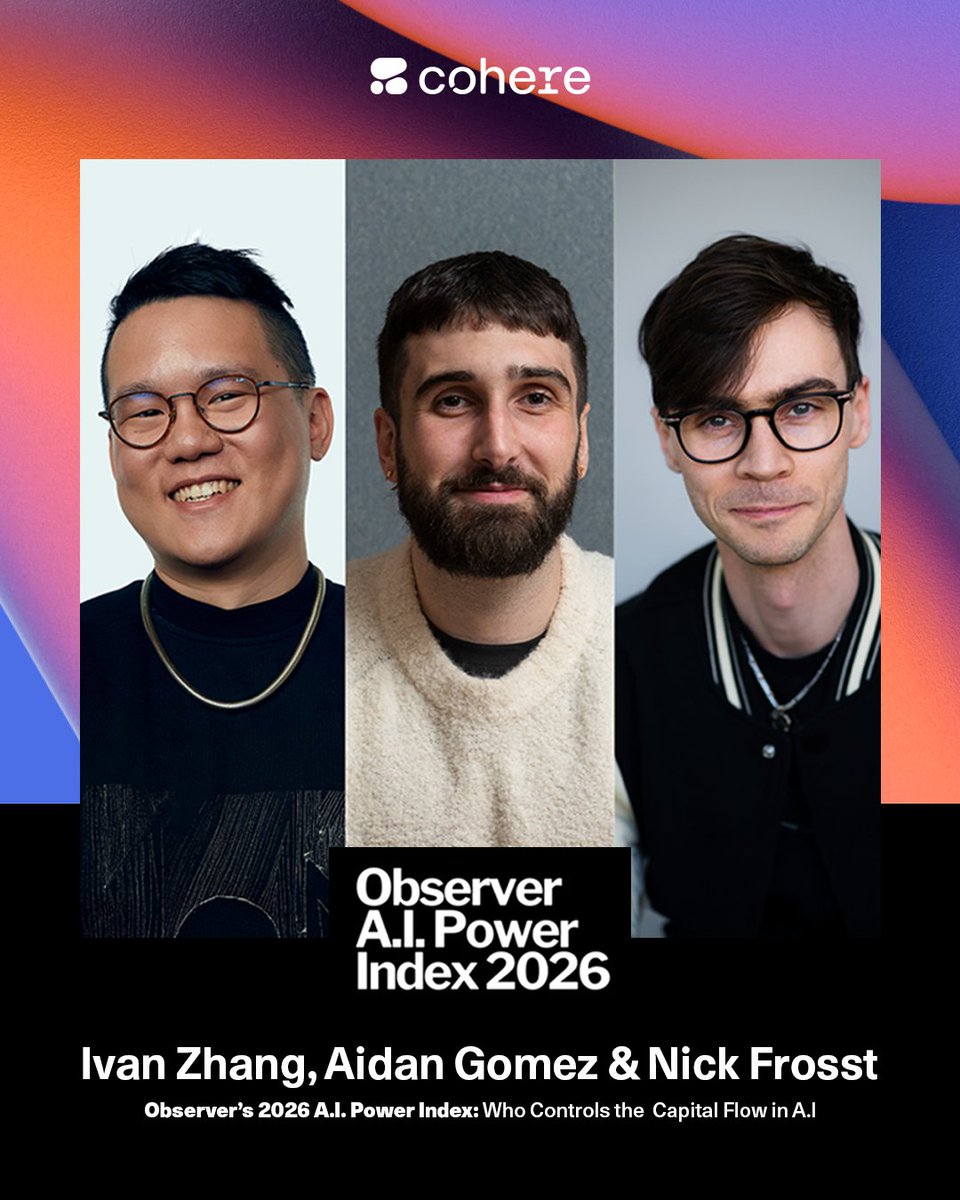
Cohere co-founders Aidan Gomez, Ivan Zhang, and Nick Frosst were named to the Observer's AI Power Index for the second consecutive year. The company continues to position itself as a leading sovereign AI company guided by a mission to build enterprise-grade models.
MiniMax President on the Road to a Fable-Level Model
In a wide-ranging conversation, MiniMax President Olive Song discusses the path to building a Fable-class model, the M3 architecture, native multimodality, research culture, and where open-source models go next. The interview reflects candid ambition from one of China's fastest-moving AI labs.
Claude Resolves Brief Fable Model Selection Outage
An issue where Fable was not selectable as a model for a 30-minute period has been resolved. Users may need to restart Claude Code and reselect Fable as the default model afterward. The incident drew significant community attention with over 4,000 engagements.
What It Costs to Reserve Production Capacity for Agentic Workloads
MiniMax broke down how M3 PTUs on Together Compute are consumed across different production workloads. The analysis provides a rare look at the economics of running agentic AI at scale, covering cost profiles for varied inference patterns.

Recraft V4.1: Illustration with a Point of View
Recraft V4.1 introduces art-directed illustration capabilities, emphasizing that its outputs are not merely generated but composed with editorial intention. The release targets designers who want AI-assisted image creation with creative control.
Perplexity Agent API Now Supports Custom Skills
The Perplexity Agent API added support for custom skills, enabling developers to extend agent capabilities with tailored functionality for specific domains and workflows.

Vercel v0 Introduces Slash-Command Skills from the Agent Skills Directory
Use / in the prompt bar to invoke skills from a growing directory contributed by Vercel, Anthropic, Microsoft, Supabase, and the broader community. Skills import directly into the editing workflow.
Open-Source AI Community Gathers in Shanghai
Friends from MiniMax, DeepSeek, Prime Intellect, vLLM, Inferact, Hugging Face, the Linux Foundation, and Alibaba Qwen came together in Shanghai. The gathering underscored the collaborative spirit of the open-source AI ecosystem.
Moonshot AI Updates Model Portfolio on Hugging Face
Moonshot AI updated multiple models on Hugging Face, including Kimi K2.5, a 1.1T-parameter image-text model, and Kimi K2, a 1T-parameter MoE large language model specialized for agent tasks. New multimodal reasoning demos accompany the releases.
01.AI Unveils Enterprise AI Products and Yi-Lightning at WAIC
Kai-Fu Lee presented at WAIC, showcasing 01.AI's enterprise agent products including CEO decision tools and TopSales AI. The Yi-Lightning model, a 100B-parameter MoE, ranked #6 globally and #1 in China on the LMSYS blind benchmark.
ChatGPT Work Finds Use Beyond the Office
Greg Brockman highlighted that ChatGPT Work, originally positioned for professional tasks, is proving equally valuable for personal life organization. The feature continues to evolve based on user feedback.
Radical Ideas Come from High-Risk, Out-of-Distribution Efforts
Creating new things requires going to unexpected places. Radical ideas that give birth to new technologies tend to come from high-risk efforts that reject conformity, taxonomies, and existing categories because the thing being created does not yet fit anywhere.
OpenAI Team Iterates Rapidly on User Feedback
Greg Brockman noted the team is responding to feedback and iterating quickly, expressing gratitude to users for their input during the recent product updates.