Andrej Karpathy joins Anthropic
Former Tesla AI director and OpenAI founding member moves to Anthropic, calling frontier LLMs especially formative in the coming years.
In a personal update that rapidly became one of the day's most-engaged posts, Andrej Karpathy announced he has joined Anthropic. "I think the next few years at the frontier of LLMs will be especially formative," Karpathy wrote. "I am very excited to join the team here and get back to R&D. I remain deeply passionate about education and plan to resume my work on it in time."
The announcement drew immediate reaction across the AI community. ClaudeDevs posted a short welcome that garnered over 14,000 likes. Observers including HuggingFace's Clement Delangue speculated that Karpathy's presence could push Anthropic toward more open-source contributions, noting the company has already released multiple datasets on HuggingFace. Researcher Nathan Lambert described the moment as a lonely time for open science, reflecting a broader concern that frontier AI research is increasingly consolidating within well-funded private labs.
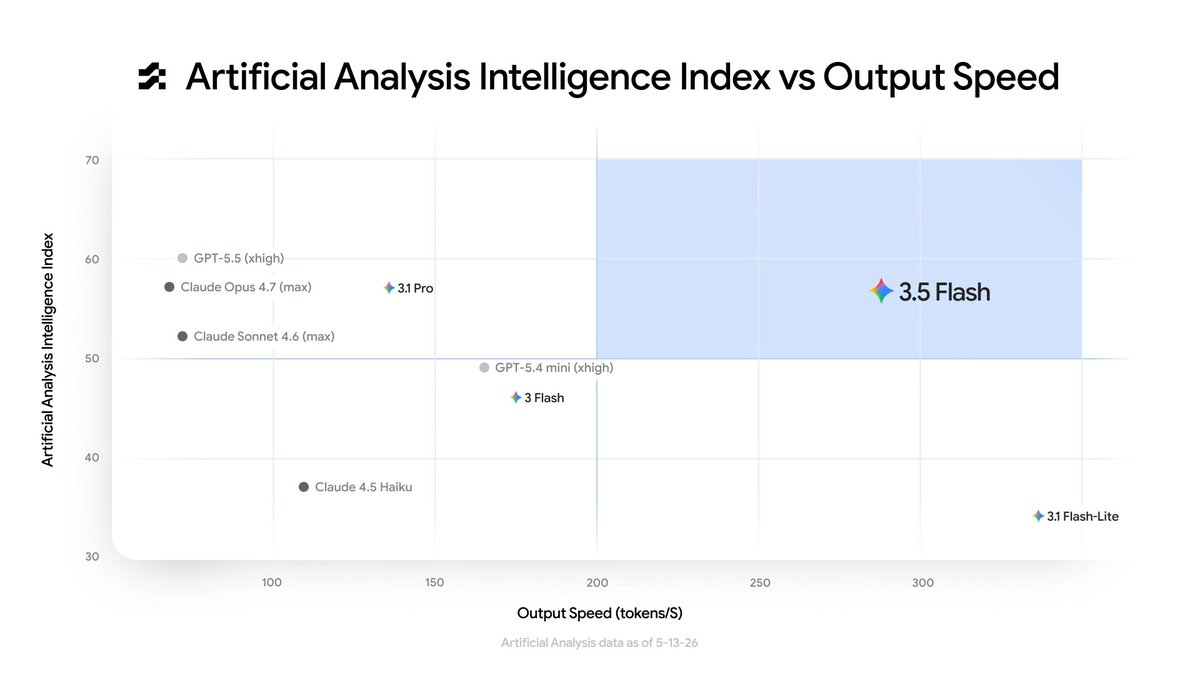
Pichai confirms Gemini 3.5 Flash available today
Outperforming 3.1 Pro across almost all benchmarks with huge progress in coding, the model is immediately live in Antigravity and across Google's product suite. Pichai noted the model delivers improvements across the board while maintaining the speed profile the Flash series is known for.

Gemini Omni reasons about physics, history, and context
Pichai unveiled Gemini Omni, a model that goes beyond generating realistic scenes to reason about what should happen next, combining physical intuition with cultural and scientific knowledge. Demis Hassabis called it a major leap in world understanding and multimodal editing, capable of taking photos, video, and audio to construct entirely new scenes. The model rolls out today starting with video outputs to Google AI Plus subscribers.
OpenAI adds SynthID watermark to AI-generated images
OpenAI announced new ways for users to identify AI-generated images and understand their provenance. In addition to C2PA Content Credentials already in place, images generated by OpenAI's models now contain a SynthID watermark, a digital fingerprint developed by Google DeepMind that survives common image manipulations. A public verification tool lets anyone check whether an image was produced by OpenAI's systems.
The update addresses growing regulatory and public demand for transparency in AI-generated content, particularly as synthetic media becomes harder to distinguish from real photography. The move comes as ChatGPT users generate over 1.5 billion images per week.
customers are increasingly asking us for certainty on capacity. as models get better, we expect that the world will be capacity-constrained for some time.
Sam Altman, CEO of OpenAI

ChatGPT generates over 1.5 billion images per week
OpenAI researchers and product leads discuss emerging use cases and trends since the launch of Images 2.0, highlighting the explosive growth in AI-generated visual content across the platform.
OpenAI launches guaranteed compute capacity service
A new offering guarantees customers long-term access to OpenAI compute. Both Sam Altman and Greg Brockman stressed that capacity will be constrained as models improve, offering discounted tokens for 1–3 year commitments to help planning on both sides.
Reliability guide for Claude computer-use agent
A new Anthropic blog post covers getting click accuracy right, choosing appropriate thinking effort levels, managing long sessions within context limits, and recording demonstrations that Claude can replay for production deployments.
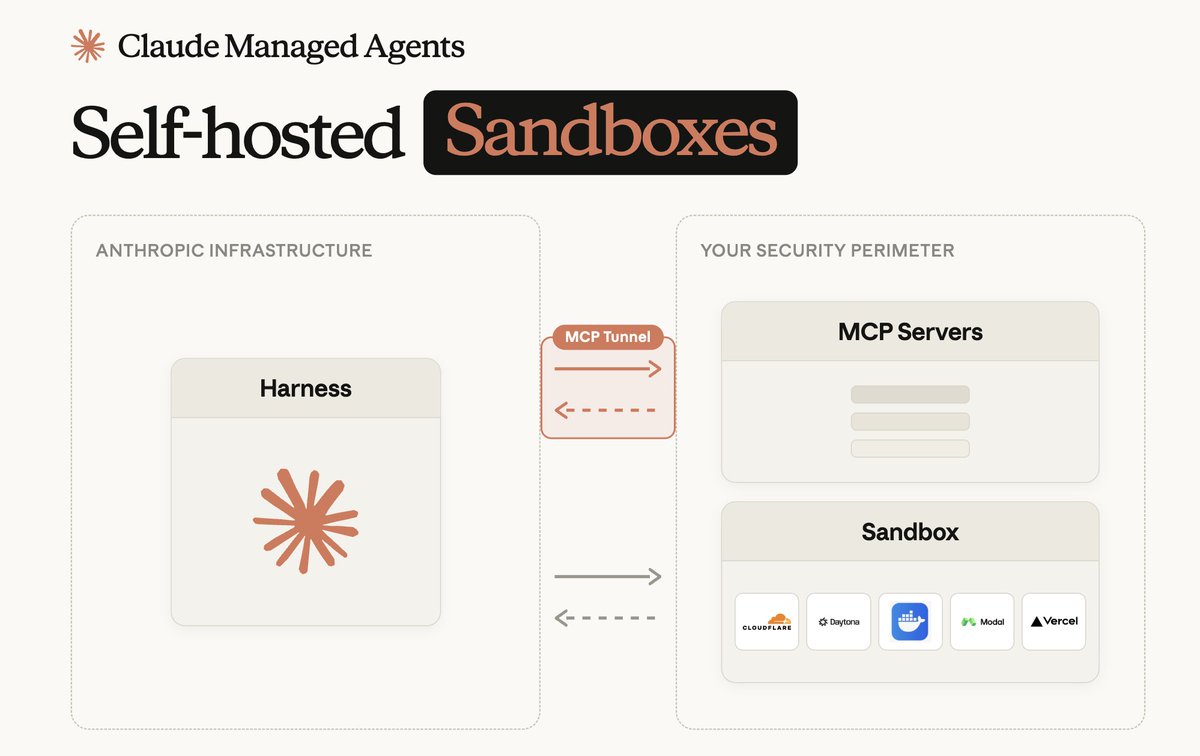
Claude Managed Agents add two security improvements
Self-hosted sandboxes keep agent execution in the user's own infrastructure, while MCP tunnels let agents connect to services inside the security perimeter without exposing internal endpoints.
Gemini for Science: accelerating discovery with AI
A new suite of experimental tools helps scientists explore more hypotheses, validate work at scale, and unpack literature with ease, aiming to accelerate breakthroughs across multiple disciplines.

Google Flow launches Gemini Omni model
Batch editing, improved character consistency, and new vibe code custom workflows enhance cinematic story creation. A mobile app arrives alongside Flow Music integration powered by Lyria 3 Pro.

Grok and X Premium expand to OpenClaw agent platform
xAI enables using Grok or X Premium subscriptions inside the open-source, local-first agent platform OpenClaw. Users can chat, generate images and video, or search X posts through the agent.
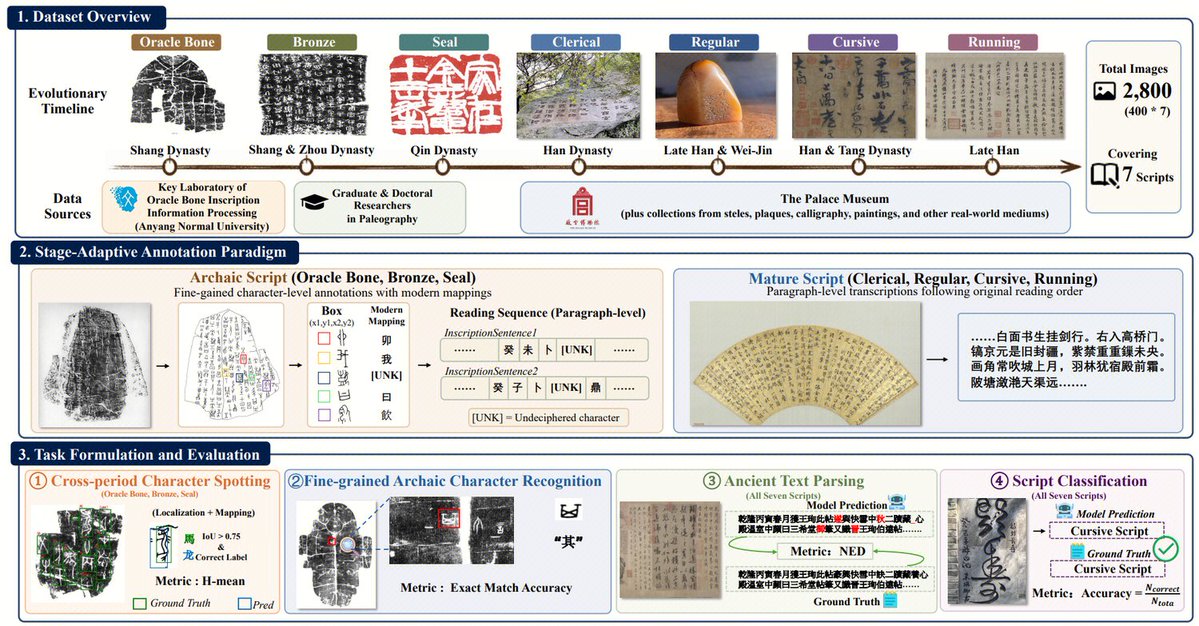
Tencent open-sources Chronicles-OCR for ancient Chinese character understanding
A visual perception benchmark evaluating VLLMs on ancient Chinese characters, spanning 3,000 years of evolution across 7 historical scripts with 2,800 balanced images.
Cohere acquires Reliant AI for enterprise healthcare expansion
A major step for sovereign enterprise AI in healthcare and biopharma, the acquisition accelerates Cohere's vertical strategy in regulated industries where data sovereignty is critical.
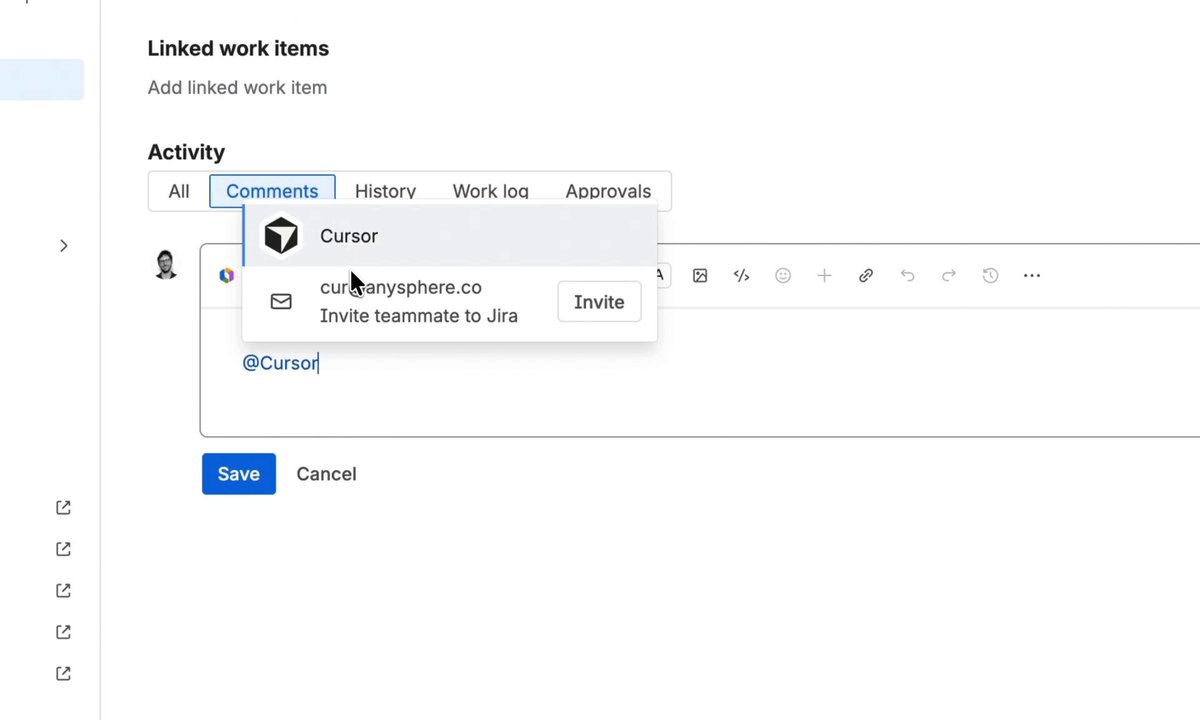
Cursor integrates with Jira for automated pull requests
Assign Cursor to work items or mention it in comments to launch a cloud agent that reads issue context and repository settings, producing merge-ready PRs automatically.
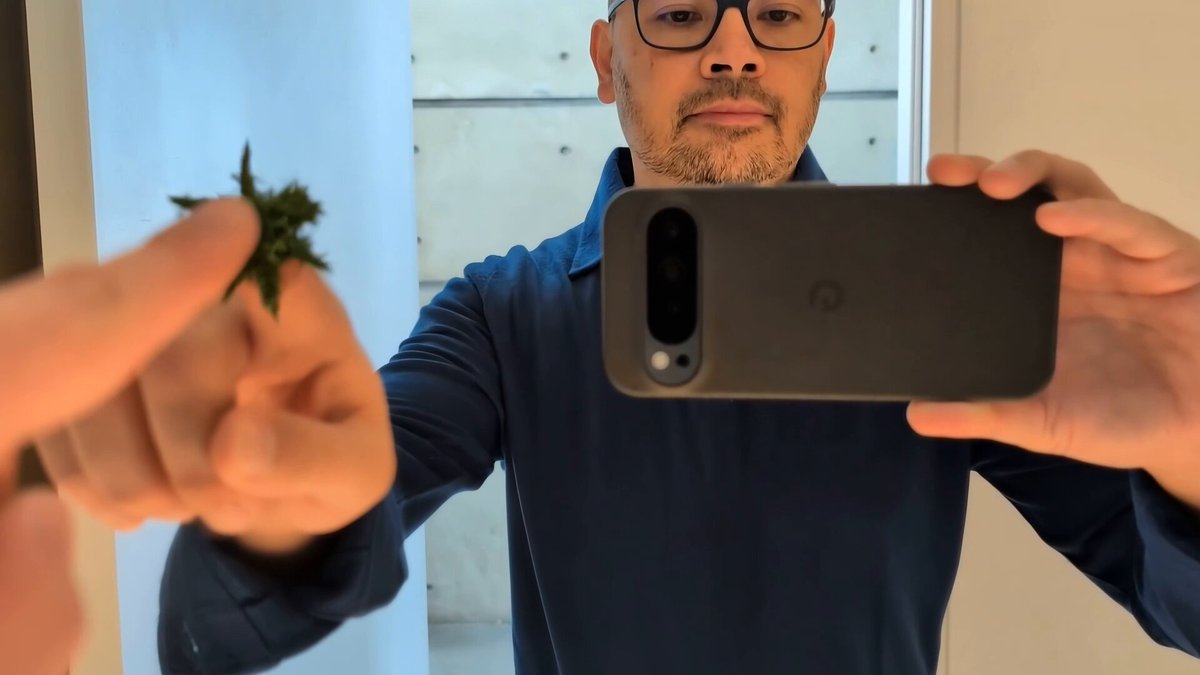
Hassabis: Gemini Omni is a leap in world understanding
The model handles photos, video, and audio to build entirely new scenes. Over time, it will support any input and any output modality, starting with video generation.
Google expands Antigravity ecosystem for developers
The expansion aims to shift developer energy away from tedious debugging and toward architecture and design, with deeper integration across Google's developer toolchain and sandboxed environments.
Ettin Reranker family: six CrossEncoder models up to 1B params
HuggingFace releases state-of-the-art reranking models from 17M to 1B parameters.
Carbon: 275x faster DNA foundation model
Carbon-3B matches Evo2-7B performance while running inference at 275 times the speed, trained on 1 trillion tokens of high-quality DNA sequences.
Luma Agents add Seedance 2.0 generation support
Users can now call generative capabilities directly within existing creative workflows, keeping full context continuity.
Anthropic holds dialogues on AI ethics with scholars and clergy
Discussions with philosophers, clergy, and ethicists examine how good character forms in an age increasingly shaped by frontier AI systems.
v0 Browser Use launches on iOS app
Browser operation features from v0 are now available on mobile devices, expanding the agent's reach beyond desktop environments.
Perplexity Computer cuts meeting time by 90 percent
A 12-week project saved 120 work hours by automatically flagging missed tasks across Slack, Notion, Jira, Figma, and Google Docs.
Partners with Blue Yonder for supply chain AI
Bringing scalable AI innovation to global supply chains worldwide.
Supercomputer now powered by Google Gemini
Claims 8x cheaper and 3x faster for production-ready agentic content generation.
llama.cpp MTP support makes local models fast enough as daily drivers
Qwen3.6-27B achieves rapid dense generation on A10-class hardware with the new MTP update.
Karpathy at Anthropic could drive more open-source contributions
Anthropic already released 12 datasets on HuggingFace; community anticipates further openness.
Project Genie integrates Street View for real-world world simulation
Google DeepMind's Genie can now simulate real streets, weather variations, and rare scenarios for robotics, gaming, and travel applications.
Claude Managed Agents integrate with Vercel Sandbox
Each session runs on a fresh micro-VM; a credential agent manages access through a webhook-based control plane.
Non-Markovian task reasoning: context trajectory matters
Most human tasks rely on past trajectory and original intent, not just current state — a challenge for stateless agent designs.
2026 AI Engineering Survey goes live in partnership with Notion
The annual survey captures trends across the AI engineering community with expanded scope this year.
AutoScientist automates full research loop for model training
Now available for research and startup grants, automating experiments within days for teams outside frontier labs.
Nvidia LongLive-2.0: NVFP4 parallel infrastructure for long video generation
New parallel processing architecture designed specifically for generating extended video content.
Social equilibrium of academic AI research frontier is shifting
As AI research accelerates, the role of neutral academic technologists in spreading new ideas is being challenged by closed industry labs.
Lonely times in open science amid frontier lab consolidation
Nathan Lambert reflects on Karpathy's move and the broader implications for open research in an era of concentrated AI development.