@AnthropicAI
Anthropic releases two Claude 5.2 models
Fable 5.2 arrives on the Claude Platform and in Claude Code, with lower API prices and a reported speed gain.
Anthropic announced Claude Fable 5.2 and Claude Mythos 5.2. Its developer account confirmed Fable 5.2 is available on the Claude Platform and in Claude Code. It says the model is up to 30% faster than Fable 5.1. API pricing falls from $10 input and $50 output to $8 input and $40 output per million tokens.
@AIatMeta
Meta introduces Muse Ember for agent work
Meta describes Ember as its smallest, most efficient model, built for tasks that agents repeat. The company says it can carry workflows across apps, call tools in sequence, run tests and make targeted code fixes. It has a one-million-token context window.
@OpenAI
OpenAI centralizes oversight of research inference
OpenAI described Control Room, an internal system for tracking model inference across its research infrastructure, including agentic sampling for training and evaluation. It gives teams a central way to stop jobs quickly if safety or security concerns arise.
@sundarpichai
Google introduces four TPU systems in one generation
Sundar Pichai said Google introduced four distinct systems from the same TPU generation in one year. He credited close collaboration between the hardware engineers and Google DeepMind for the pace.
@OpenAIDevs
One OpenAI dot can connect to multiple computers
Users can now pick a connected local machine for each task. A dedicated computer can build and test an app while the user keeps coding on a laptop.
@drjimfan · via @yukez
NVIDIA team introduces GR00T 2 for robotics
In a launch post shared by Jim Fan, the team describes GR00T 2 as a world-action model that predicts how a physical environment will change and generates corresponding actions. The post did not provide quantitative results.
Cursor reports Fable 5.2 coding results
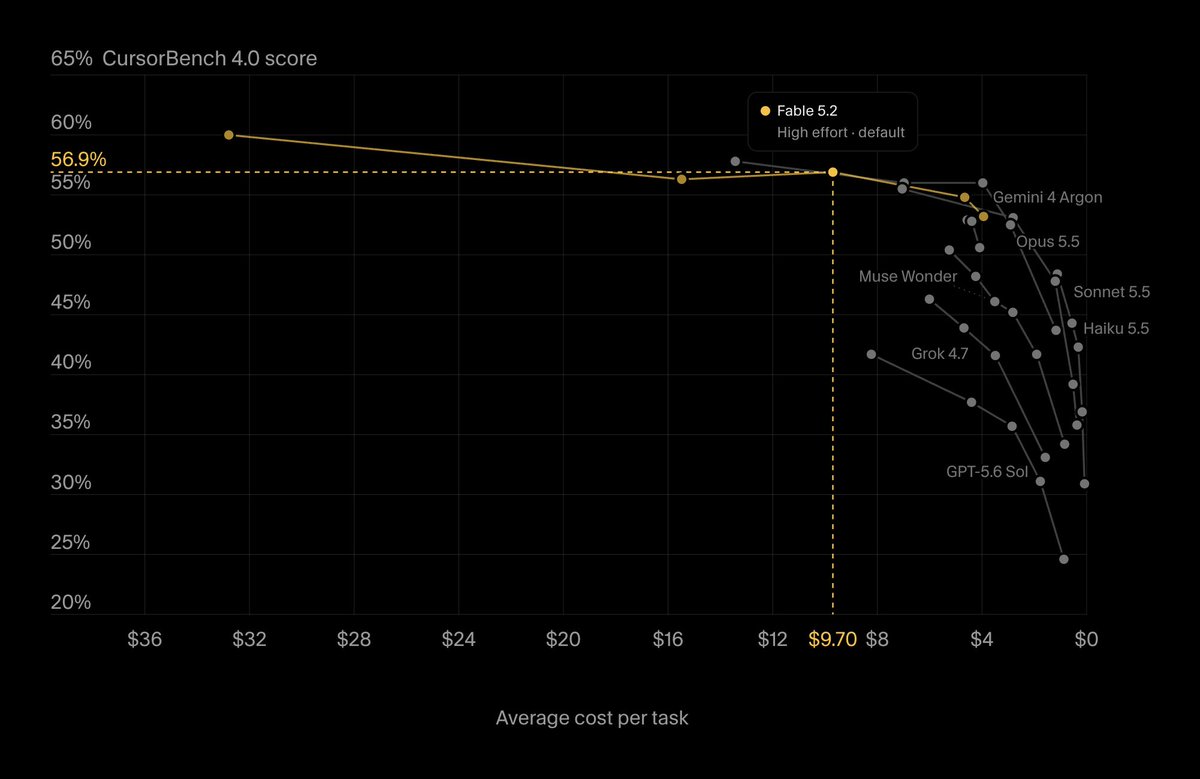
Cursor now offers Fable 5.2. On its own CursorBench, the new model scored 56.9% at default reasoning effort, against Fable 5.1’s 49.2%. Fable 5.2 reached 60% at maximum effort.
Perplexity adds Fable 5.2 to Computer and Search
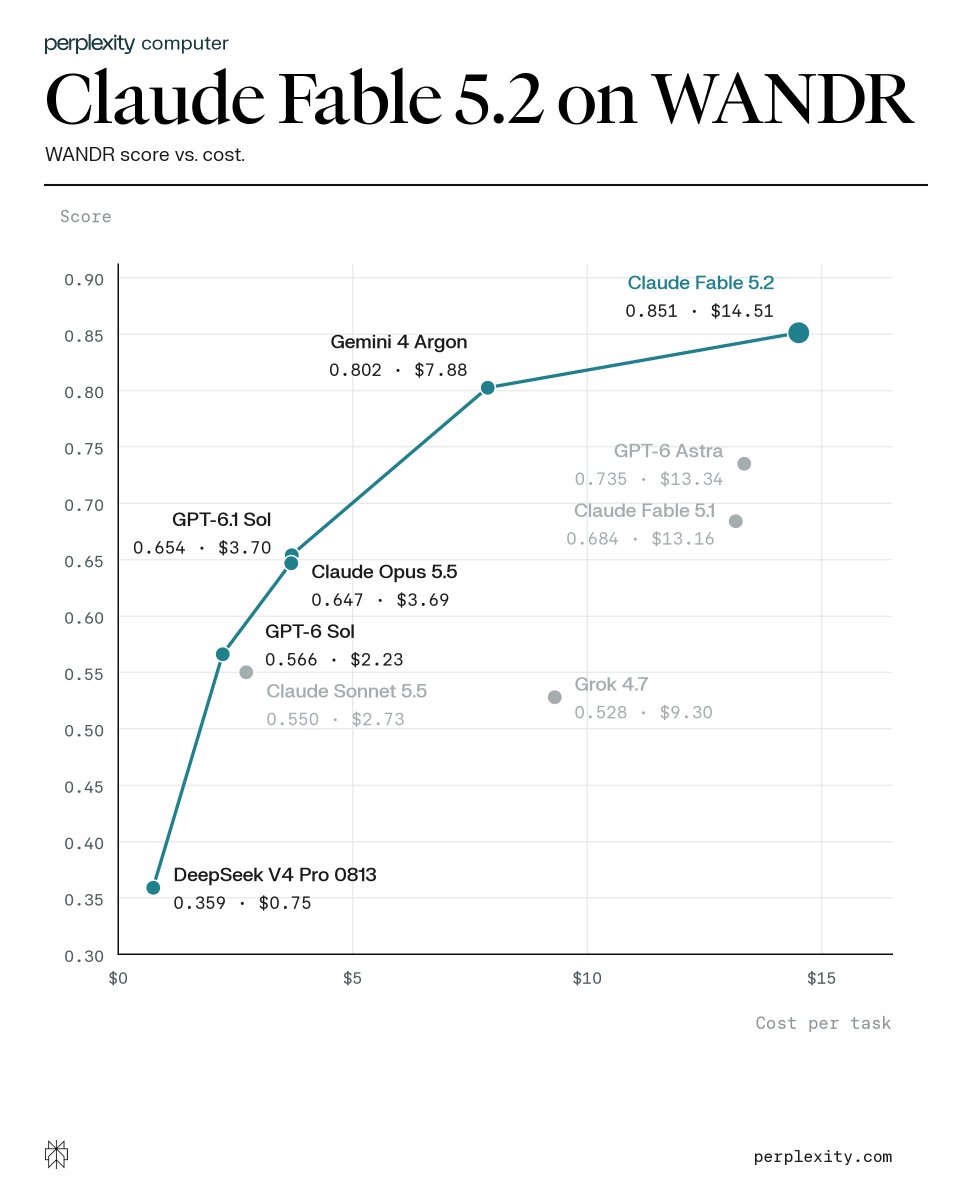
Computer access is open to Pro and Max subscribers; Search access is limited to Max. On Perplexity’s own WANDR benchmark, the model scored 0.851 at a cost of $14.51 per task.
Meta brings three Muse models to Google Cloud
Meta announced Google Cloud availability for Muse Ember, Muse Wonder and Muse Spark 1.3, adding a distribution channel for all three models.
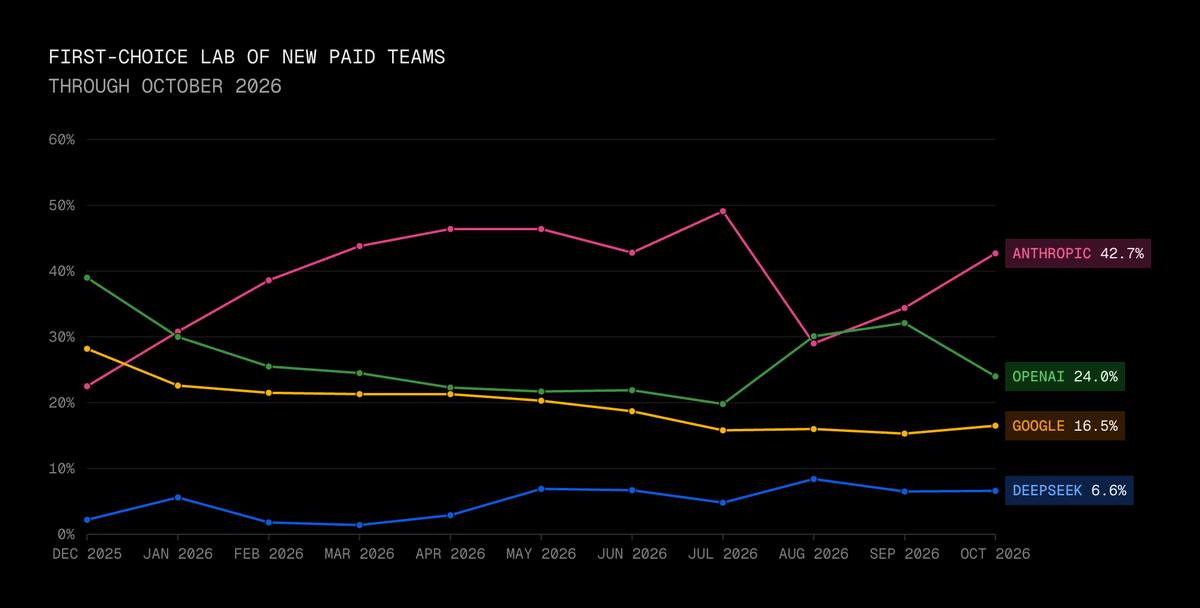
Vercel: new paid teams favored Anthropic nearly two to one
Vercel’s November AI Gateway index covers October production traffic on its platform. New paid teams chose Anthropic models over OpenAI models by nearly two to one, and most traffic used models released less than two months earlier.
Ricursive releases a preview of Ripple-65B
Hugging Face shared the preview announcement. Ricursive says it pretrained the dense 65-billion-parameter language model from scratch.
Inkling 2 Small gets a free listing on OpenRouter
OpenRouter lists it as a multimodal mixture-of-experts reasoning model with 594 billion total parameters and 17 billion active parameters. Thinking Machines Lab says the free offering is meant to help improve the model.
Sakana AI recruits early testers for its first mobile app
David Ha announced that Sakana AI is building its first mobile app and is looking for early testers in Japan. The signup page says the iOS test will use TestFlight.
Nace AI updates its Drex Max decision model
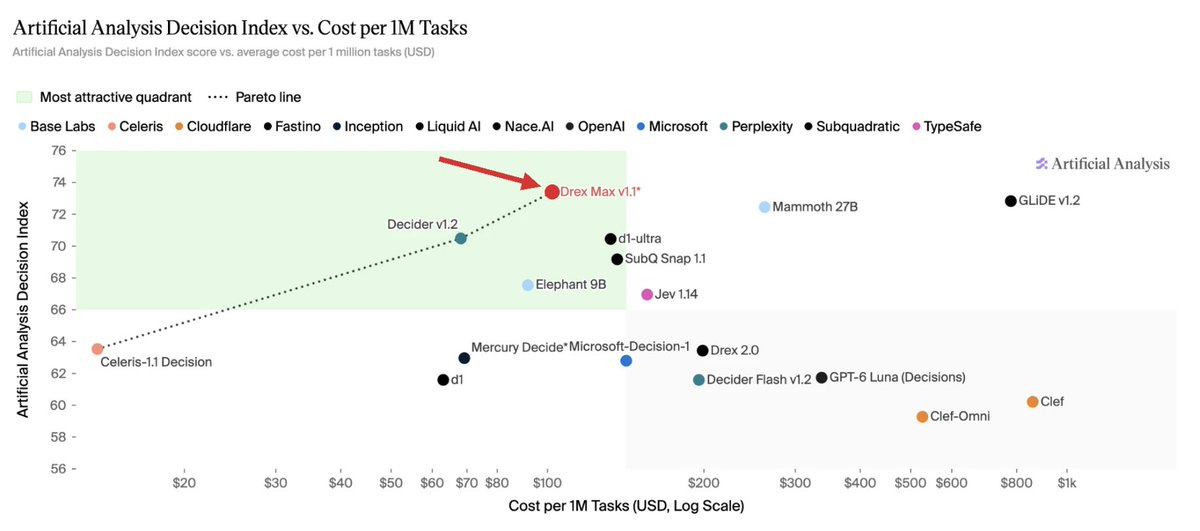
Researcher Aran Komatsuzaki says version 1.1 handles text, images and video, has a 262K context window and can run locally on a Mac through Kapitsa.
Replit’s monitoring agent investigates production issues
Replit says its Monitoring Agent can monitor production continuously, investigate issues, validate fixes and deploy them on the user’s behalf once enabled.
Anthropic publishes a guide to choosing a Claude model
The guide starts with Opus 5.5 for daily development, Sonnet 5.5 for scoped fixes, Haiku 5.5 for high-volume classification or extraction, and Fable 5.2 for major refactors or deep research. It also suggests adjusting reasoning effort before switching models.
OpenAI developer account shares a 12-hour prompt cache update
A repost says the Agents API team extended prompt caching to 12 hours. The captured text does not show pricing or eligibility details.
Replit Agent can troubleshoot and file support tickets in chat
Replit’s changelog says the Agent can check active incidents, documentation and known issues. If that does not resolve the issue, Pro users can ask it to file a support ticket with debugging details.
Changing coding harnesses can change benchmark rankings
In a comparison shared by Joël Niklaus, OpenCode 1.19 ranked eighth of nine harnesses, while OpenCode 2 tied for first on each of the three models tested.
Vercel’s CEO points to an MCP callback gap
Guillermo Rauch sees a wider role for MCP in system communication. He points to one practical gap: how a system can return an asynchronous result in a different session.
Collapsible sections can shorten the visible text in AI-written PRs
Simon Willison suggests keeping a short, human-edited introduction at the top and folding the detailed agent-written material into a section that can list the model and reasoning effort.
LlamaParse offers three deployment options
Alongside a managed API, LlamaIndex offers deployment in a customer’s cloud account or on its own hardware. The choice depends on where documents can live and who manages the infrastructure.
Ollama adds a usage page
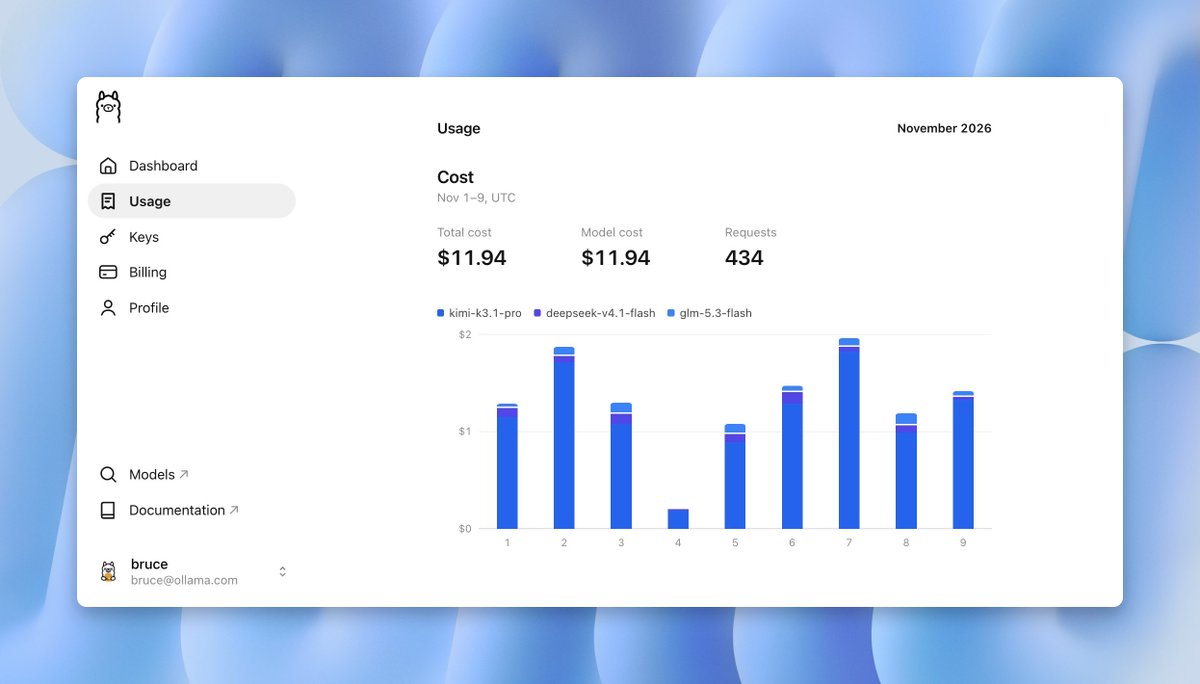
The page shows daily spending, spending by API key, input and output tokens by model, and the share of input served from cache.
Recraft adds team usage and request logs to its API portal
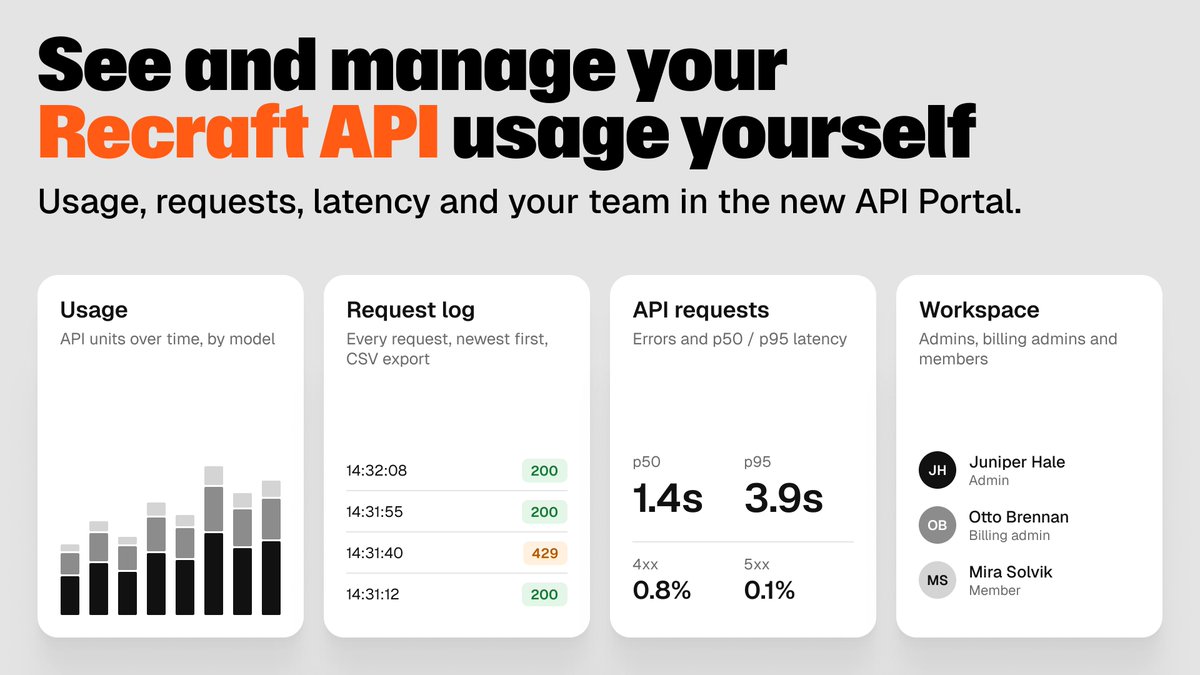
Teams can share a workspace, see usage by model and check the response code and latency for each request.
Tinker asks about training contexts longer than 256K
A team member asked what users would do with longer training contexts and how long they would want them to be. The post is a request for feedback.
Capwise opens beta testing for its screen recorder
The developers say the beta generates bilingual subtitles, zooms into clicks, shows keyboard shortcuts and provides a CLI that third-party agents can call.
A DSH plugin surfaces images recently shown to a model
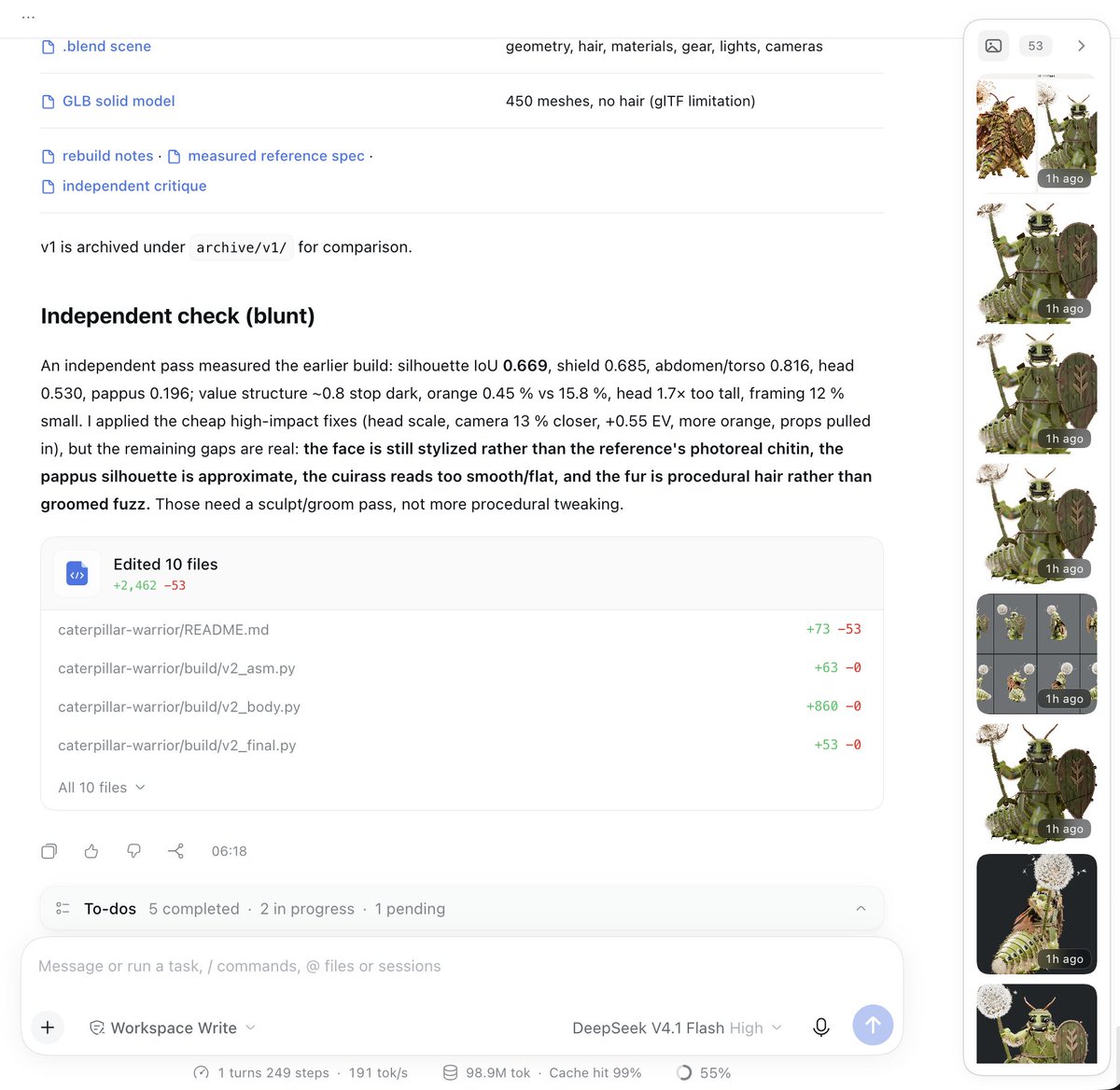
The developer built a viewer for the most recent images in a model’s current context, so users can check which visual inputs it has received.
Unreal Engine 5.9 gets a MegaJam preview
Unreal Engine describes this as its first release built primarily with agentic workflows. The release announced here is the MegaJam preview.
AgentBaton studies when to hand a task to a cheaper model
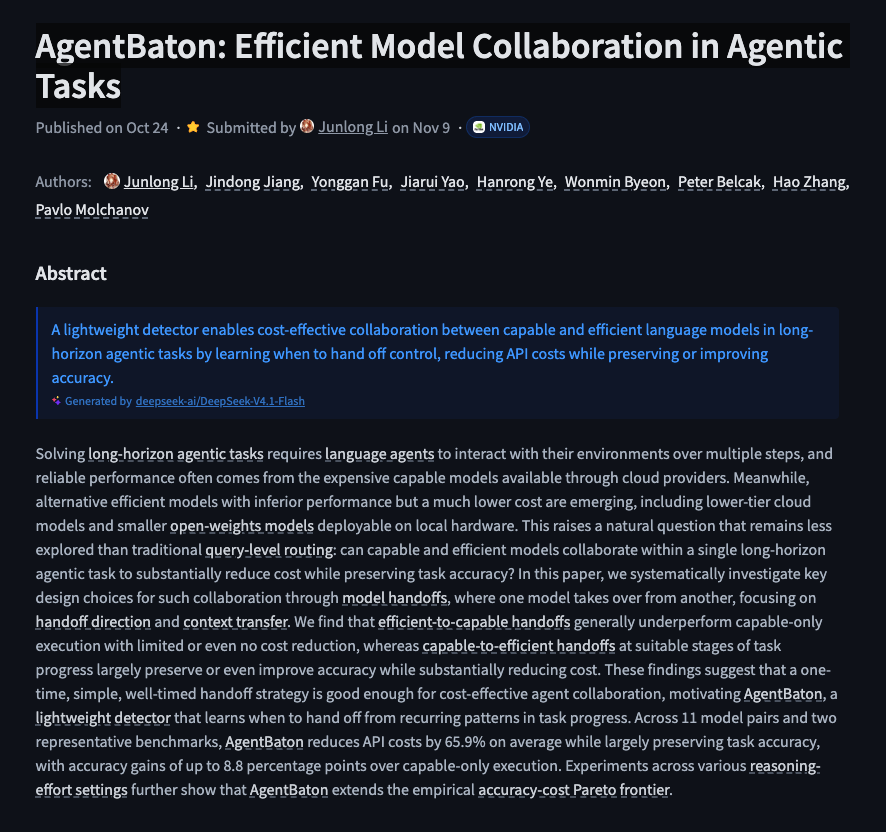
Across two benchmarks and 11 model pairings, the paper reports that switching from a stronger model to a more efficient one at the right stage reduced API costs by 65.9% on average while broadly preserving accuracy.
P²-MOPD uses teacher parameters as priors for the student
The method combines frozen expert task vectors with the student’s trainable weights. On the Qwen3 models evaluated in the paper, this multi-teacher distillation approach recovered task performance faster than the baseline.
SplatAnything normalizes Gaussian spacing across 3D scenes
The paper proposes GSNorm to give feed-forward 3D Gaussian Splatting a more consistent spatial reference. The authors evaluate it across different input densities and extrapolated views.
Cameron Wolfe explains score centering in reinforcement learning
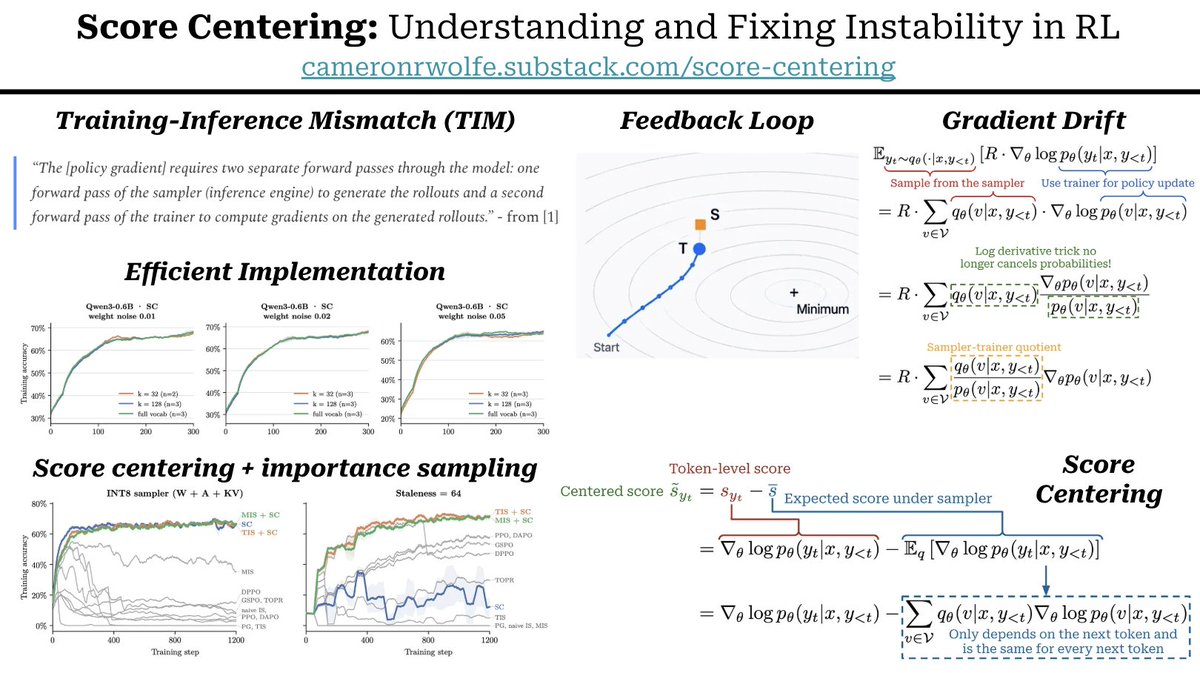
The article examines stability problems that arise with large MoE models, asynchronous training and agent tasks, and why centering scores may help.
Nine open-weight OCR models tested on historical scans
Daniel van Strien shared a private evaluation on 338 scans of 20th-century documents, covering nine models with publicly available weights.
TailorRig contains about 39,000 rigged humanoid meshes
HuggingPapers shared Tencent’s dataset of 39,073 meshes with skeletons and skinning for work on character rigging and animation.
LongBanana tests long-context generation from multiple images
The expert-verified image synthesis benchmark has 90 tasks and evaluates how models handle multiple reference images.
MV-IVF indexes multi-vector embeddings directly
The paper applies clustering and an inverted-file index to retrieval with multi-vector representations, indexing those embeddings directly.
Researchers ask how interpretability can improve safety
The paper shared by Sarah Hooker asks when understanding what a model does internally can translate into measurable safety improvements.
Hugging Face shares a handbook for training MoE models
The Ultimate MoE Training Handbook is published as a Hugging Face Space with chapters covering practical aspects of training mixture-of-experts models.
Community project shares harness adapters for smaller models
Hugging Face shared completed adapter training involving Liquid AI’s LFM2.5-24B, LFM3 and Twil-8B for harnesses including pi, Hermes and OpenCode.
TACHIOM adds image clustering and HNSW acceleration
The maintainer says the tool now clusters inputs without token IDs, including images, and can optionally use HNSW to speed up clustering.
Papers with Code adds a continuous language model category
Niels Rogge added a method entry for continuous language models to make related research easier to find.
Runway Sightline makes a panorama before you frame the shot

Sightline in App Studio creates a 360-degree panorama. Multiple shots can use the same environment, and the panorama can be exported for 3D scenes.
Seedream 5.5 comes to Higgsfield

Higgsfield says ByteDance’s new image model can output RGBA images with transparency and make pixel-level edits while losing less detail across repeated changes.
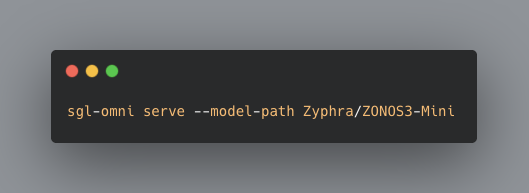
SGLang-Omni adds day-one support for Zonos3-Mini
Zyphra’s speech synthesis model has 800 million parameters, with 80 million active per token. SGLang reports a 57-millisecond first audio packet on one H100 in its test.
Mistral uses conference vocabulary to help live transcription
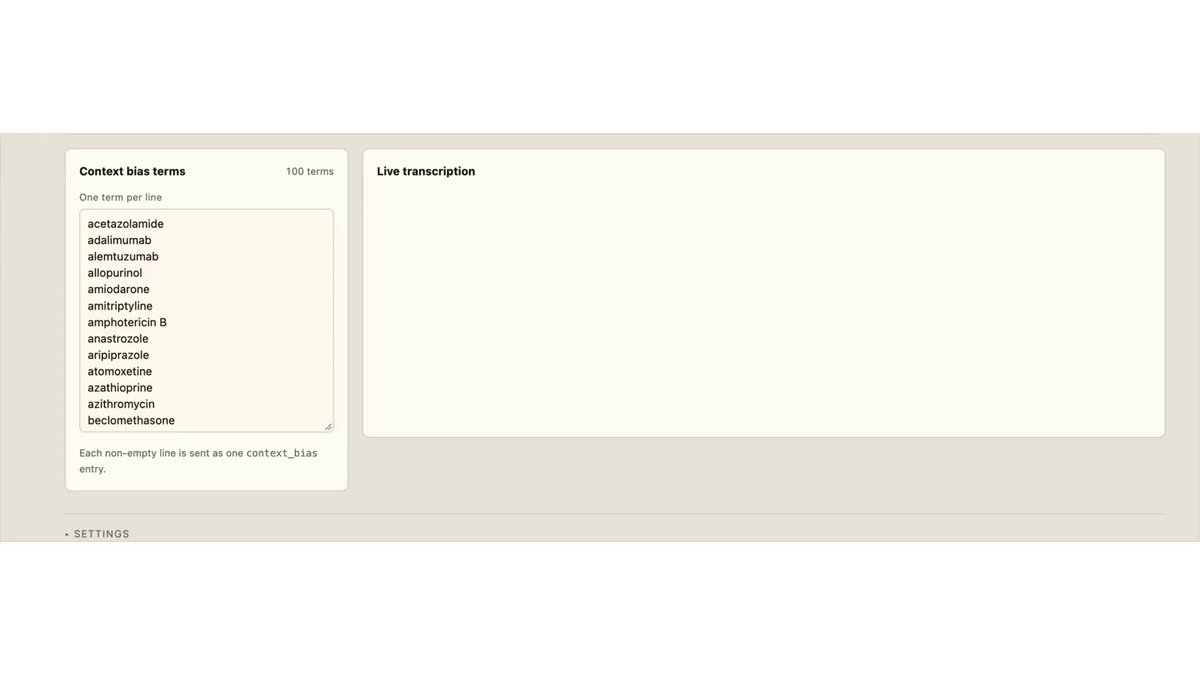
Mistral used Voxtral Transcribe 3 on main-stage talks at AI Engineer Paris, supplying speaker names and conference terms in advance to help the model recognize them.
OpenAI lists a Codex edition of the Chromatic handheld

The ModRetro handheld is available through Supply Co. The companion Codex plugin helps users design levels, animate sprites and playtest on the device.
Hugging Face supports sharing 3D assets
A team member says the platform accepts GLB, PLY, STL and splat files for browser previews and sharing.
A dataset of 1.4 million labeled pixel sprites appears on Hugging Face
A member of the platform team shared a collection of captioned 16×16 sprites. Check the dataset’s license before using them.
Higgsfield adds a tool for story-driven ads
Drama Ads places products inside short scenes and generates a video with editing, captions and sound.

Synthesia’s Syren turns interviews into social videos

The tool generates or edits branded videos from chat. Synthesia also lists product announcements, talking-head editing and turning blog posts into videos as uses.
Vidu offers a Q4 Preview trial through its API site
Vidu lists Q4 Preview on its trial page for reference-image-to-video generation. The company says the update focuses on prompt understanding and faster iteration.
Mollick links more than 450 generated worlds with portals

Ethan Mollick’s Portals experiment used Fable 5.2 to build a continuous journey through 3D scenes. He reports that some 25,000 agents generated more than 450 procedural worlds.
Higgsfield turns a wraparound video into a modular head model
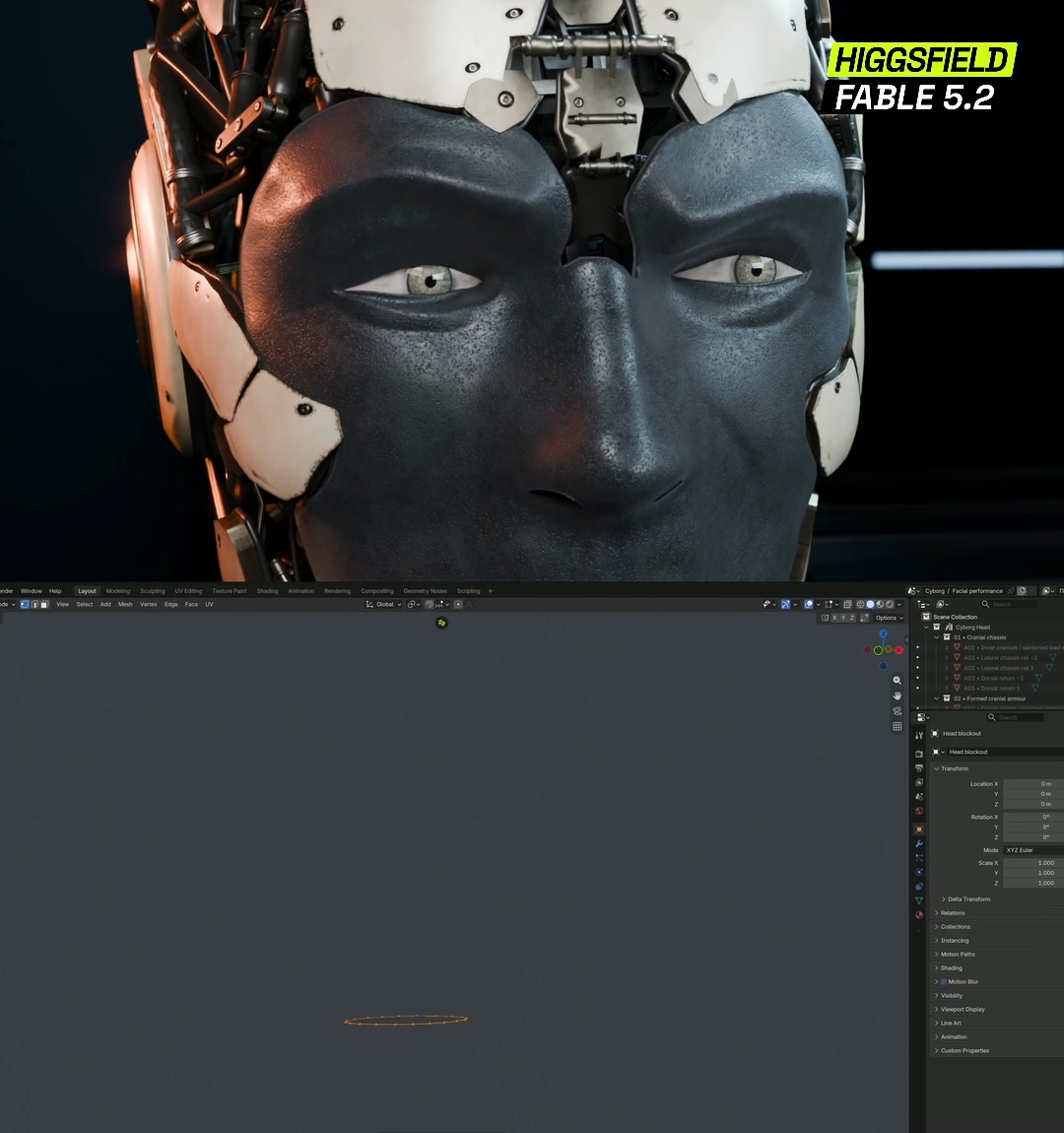
In the demo, Fable 5.2 and Higgsfield MCP use a 12-second, 360-degree clip to produce a Blender model with separate skull, face, armor and cable components.
Generated 3D scenes still show recurring geometry mistakes

A developer lists repeated problems in code-generated scenes, including z-fighting, single-sided geometry and mismatched axes between the world, camera and controls.
Tesla Robotaxi expands its Austin service area
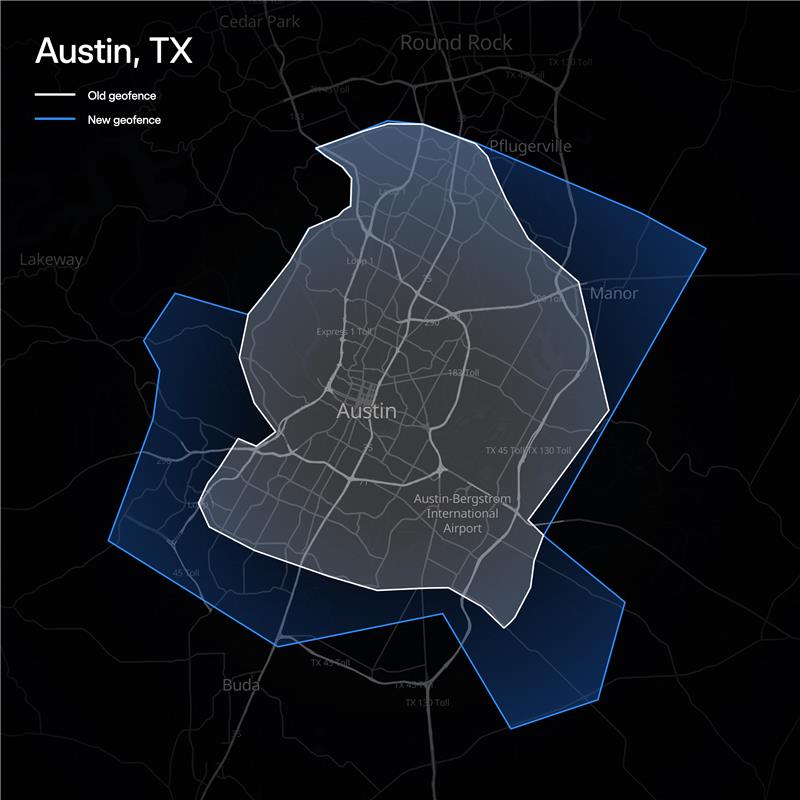
The official Robotaxi account announced an expanded Austin area and separately gave a launch time for San Antonio. The announcements did not specify fleet size or operating details.
A clip shows an Atlas robot moving on wheels
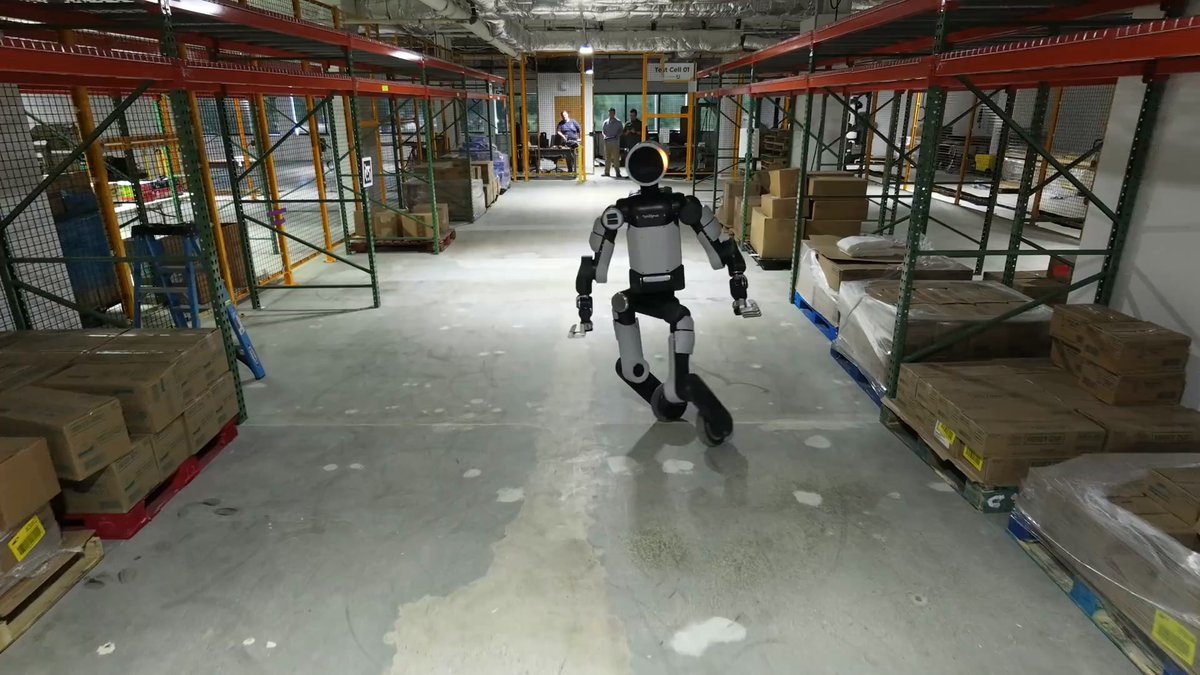
Linus Ekenstam shared footage of Atlas gliding and turning on rollers. The post does not establish how widely the modification is used.
University of York spinout pxld introduces DAWN
A project member announced that the company had emerged from stealth and introduced a foundation model called DAWN. The shared excerpt gives no public benchmark results.
Developer combines three models for motion capture
The demo uses FlowHMR, ExMR and GVHMR and supports basic foot locking and retargeting to apply captured motion to a character.
Chollet proposes running a real business as an agent evaluation
He discusses handing a stagnant SaaS business to an agent, treating profit and loss as the objective and the market as feedback.
ICWM 2027 announces its venue
The International Conference on World Models lists May 23–26, 2027, in Manhattan, with the main program starting May 24.
What should computer science teach when agents can do the homework?
Mihail Eric and Swyx discuss how computer science courses might change their teaching and assessments when agents can complete the assignments.