MODEL RELEASE · HERO
MiniMax ships M3.1 Flash Preview into its Token Plan
A faster, lighter model aimed at high-volume, latency-sensitive teams — callable by existing subscribers with no extra setup.
MiniMax has rolled a preview of its new M3.1 Flash model into the Token Plan, a release squarely targeted at teams running high-concurrency, latency-sensitive workloads. The pitch is speed and weight: a leaner model that slots into existing subscription tiers without additional configuration, rather than a separate product that demands a new checkout flow.
The preview lands on the same day that MiniMax flagged the M3.1 Flash line across its developer surfaces, including MiniMax Code. For customers already on the Token Plan the model is available immediately, framed by the company as an opt-in upgrade: flip it on when a workload rewards raw throughput, and keep the heavier M3.1 path where depth matters more. The quiet signal here is that the Flash family is being pushed as the default answer to cost-sensitive, always-on inference.
PRODUCT FIX
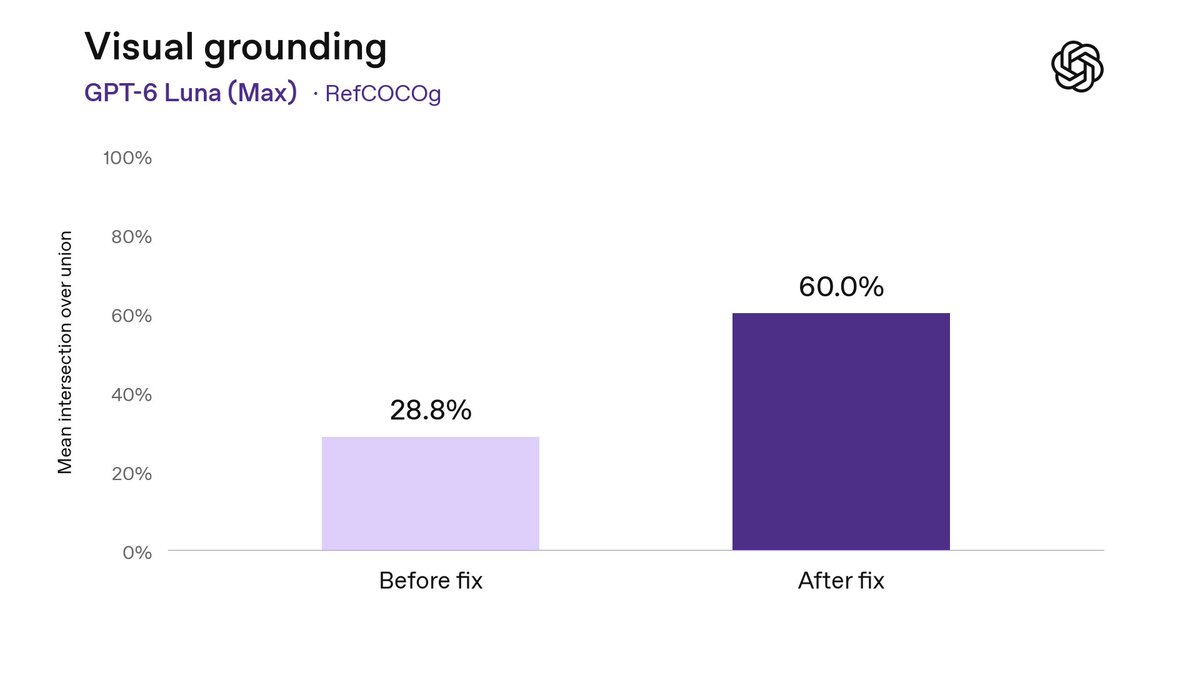
OpenAI patches image-understanding regression in GPT-6 Sol and Luna
OpenAI says it has fixed a bug that was degrading image understanding in GPT-6 Sol and GPT-6 Luna. The fix should restore visual-task quality across the API and Codex, including computer-use workloads that lean on screen comprehension.
DOCUMENT PARSING
Cohere ships Parse 5 for enterprise documents
Cohere launched Parse 5, a parser tuned for commonly formatted enterprise documents. It returns structured output — tables, images, bounding boxes and flowcharts — and Cohere pitches it as the best-priced option for that format class.
RESEARCH
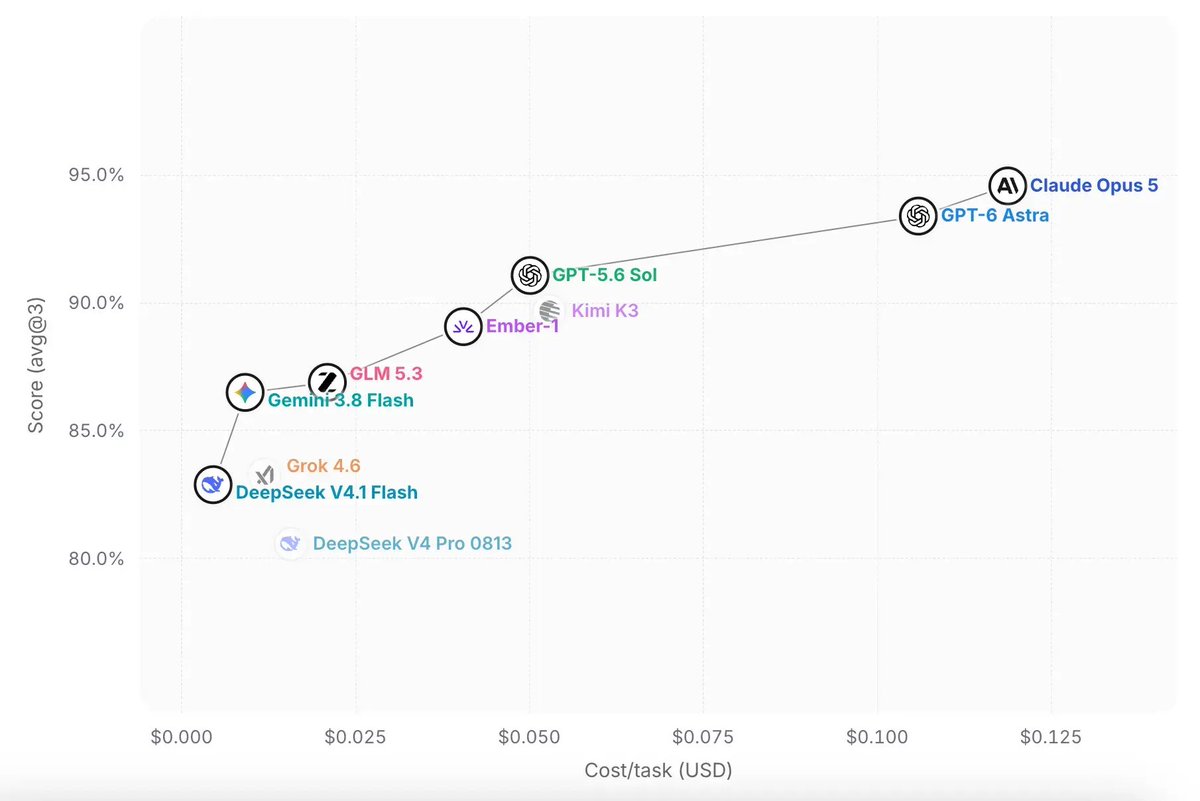
A Pareto-frontier chart that isn't actually a frontier
random_walker flags a model-comparison chart where Ember and GLM are drawn on the Pareto frontier. The catch: a router randomly mixing Sol and Gemini can hit any point on that line, so the plotted frontier does not hold.
INDUSTRY
Mollick: the open vs closed gap is widening again
Ethan Mollick argues the capability gap between open and closed models is the largest in a while. Fable- and Astra-class models are agentic in a way earlier models were not, and no open model has yet crossed that line — when one does, he says, it will be a jump.
“We are going to learn how many systems only work today because they are built around friction that will no longer exist soon.”
VIDEO
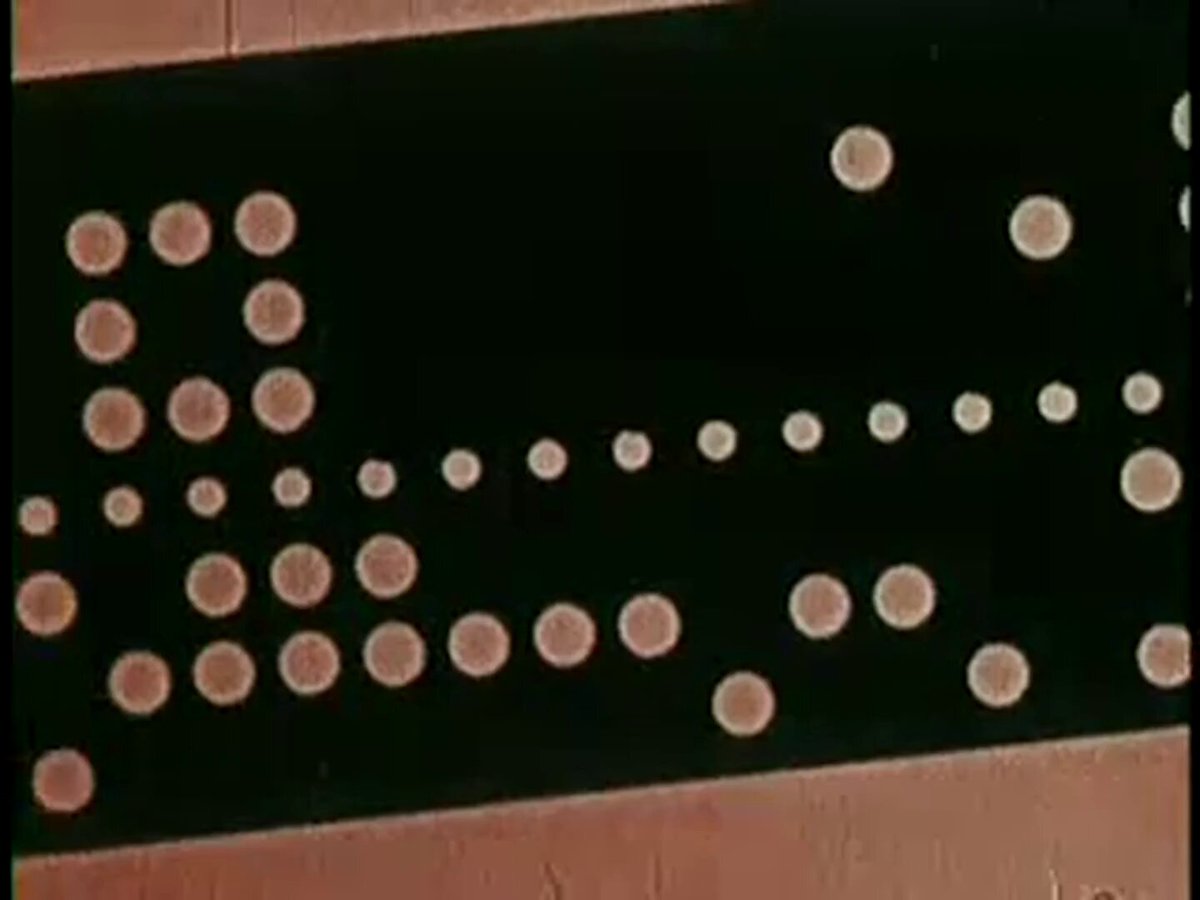
Astra auto-cuts a 60-second video essay from open footage
With one prompt, c_valenzuelab had Astra pull material from the Internet Archive's open footage library and cut a 60-second essay on technological acceleration and the feel of the singularity.
TRAINING
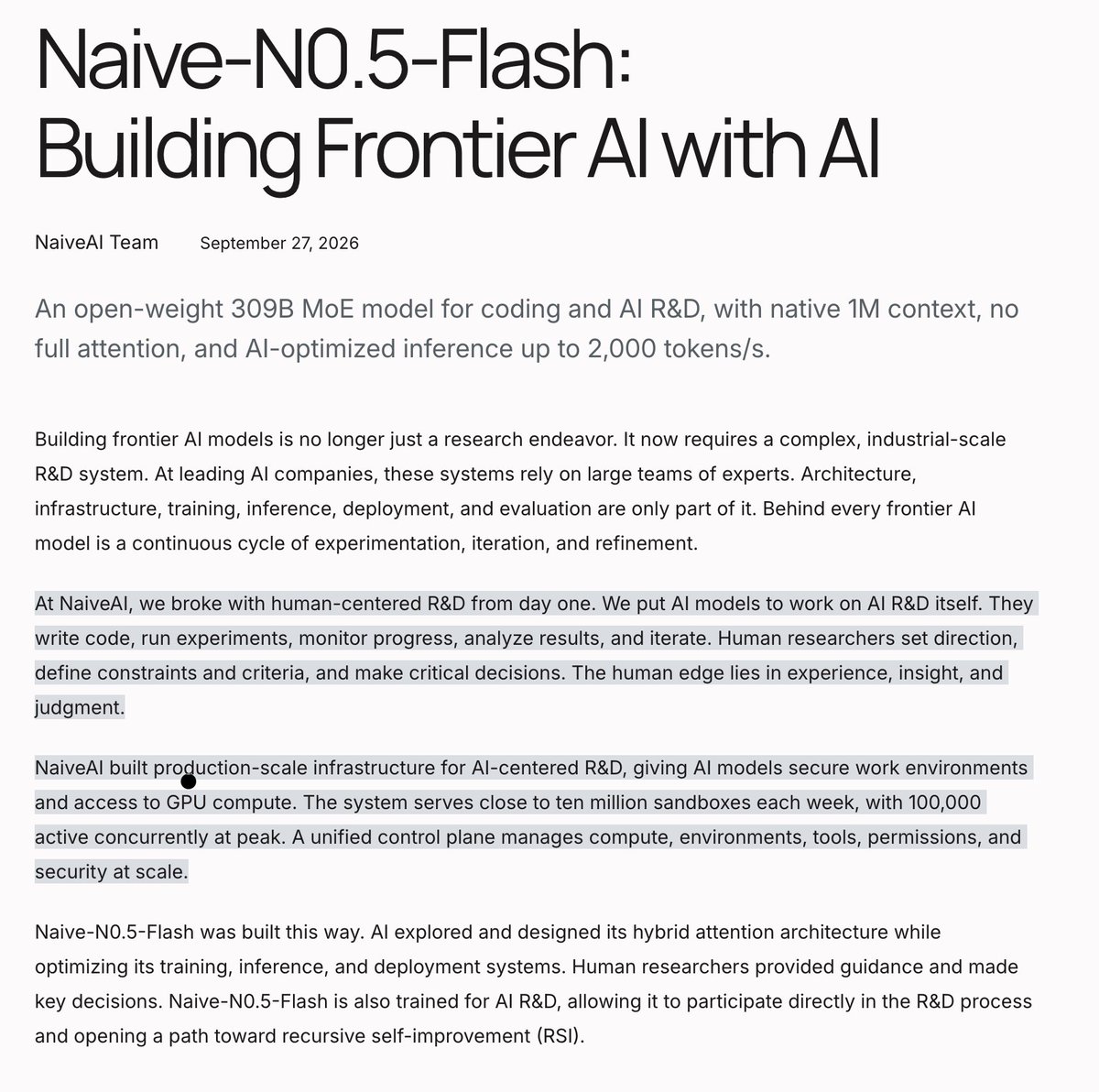
Singapore team claims near-autonomous 309B training run
A Singaporean team says it trained a 309B-parameter model largely autonomously, following a DeepSeek-style SWA-DSA recipe — another datapoint in the push to make frontier-scale training more hands-off.
Alexandr Wang explains what Muse is actually for
Summarizing Wang's essay "Why I'm Building Muse," Baoyu notes the product targets a simple gap: most people carry ideas they never voice, let alone execute. Muse is positioned as a more proactive personal agent that closes that distance.
Aravind swaps Fable 5.1 for Opus 5.5 across 100 workflows
Aravind Srinivas says moving 50–100 of his orchestration workflows from Fable 5.1 to Opus 5.5 produced minimal differences, but he still wants to find tasks where Fable 5.1 remains stronger — the "smarter model" FOMO persists.
Rasbt: Ember-1 is a template for the post-training route
Sebastian Raschka reviews Ember-1 and reiterates his advice: today's frontier models should build on off-the-shelf checkpoints and spend budget on post-training. Ember-1, he says, is a clean example of exactly that.
NVIDIA Nemotron tech-report analysis is coming
Cameron Wolfe previews an upcoming writeup on the NVIDIA Nemotron series, focusing on post-training method trends visible across the open weights, data and code the reports ship with.
Tinker can be seen as commercializing the pretraining stack
Horace He of Thinking Machines argues Tinker is in a sense already "selling" its pretraining stack, but remains unsure how large the market for such a product actually is.
Lambert on the open-model "deflation" controversy
Nathan Lambert notes Dean Ball was mocked for saying open models bring deflation and slowing, while similar claims now go unchallenged — a sign of inconsistent standards in the discourse.
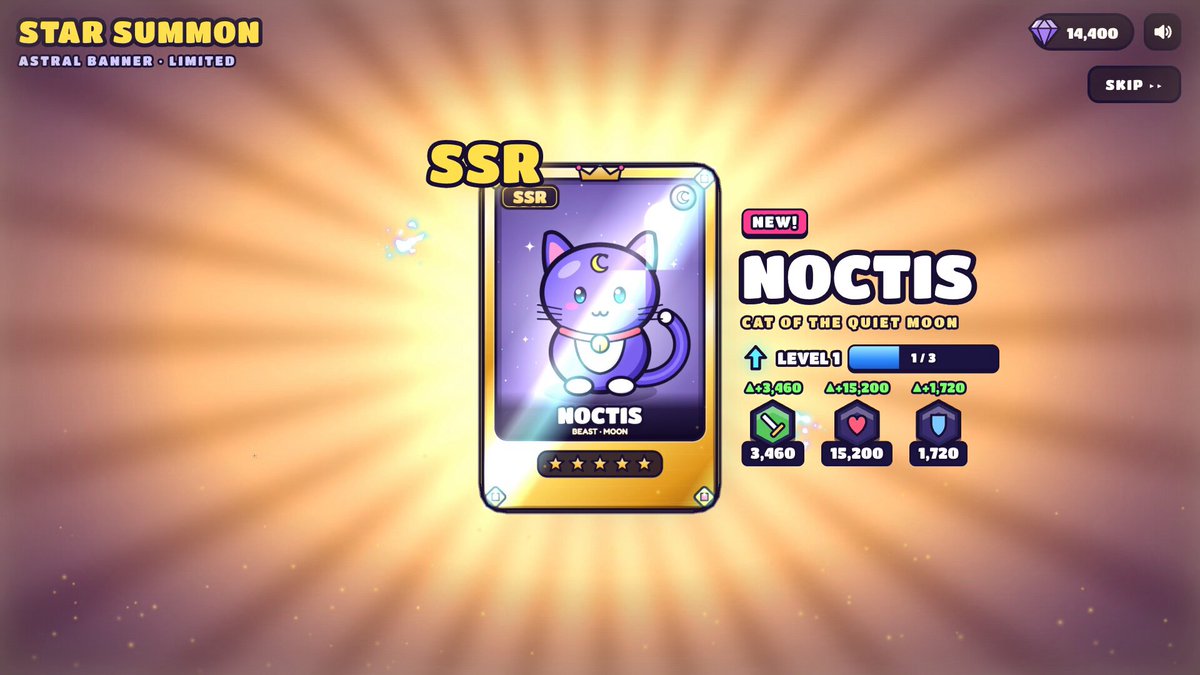
Opus 5.5 game motion-effect prompts released
op7418 shared the prompts used to make game settlement and gacha animations with Opus 5.5, after earlier demos drew significant attention.
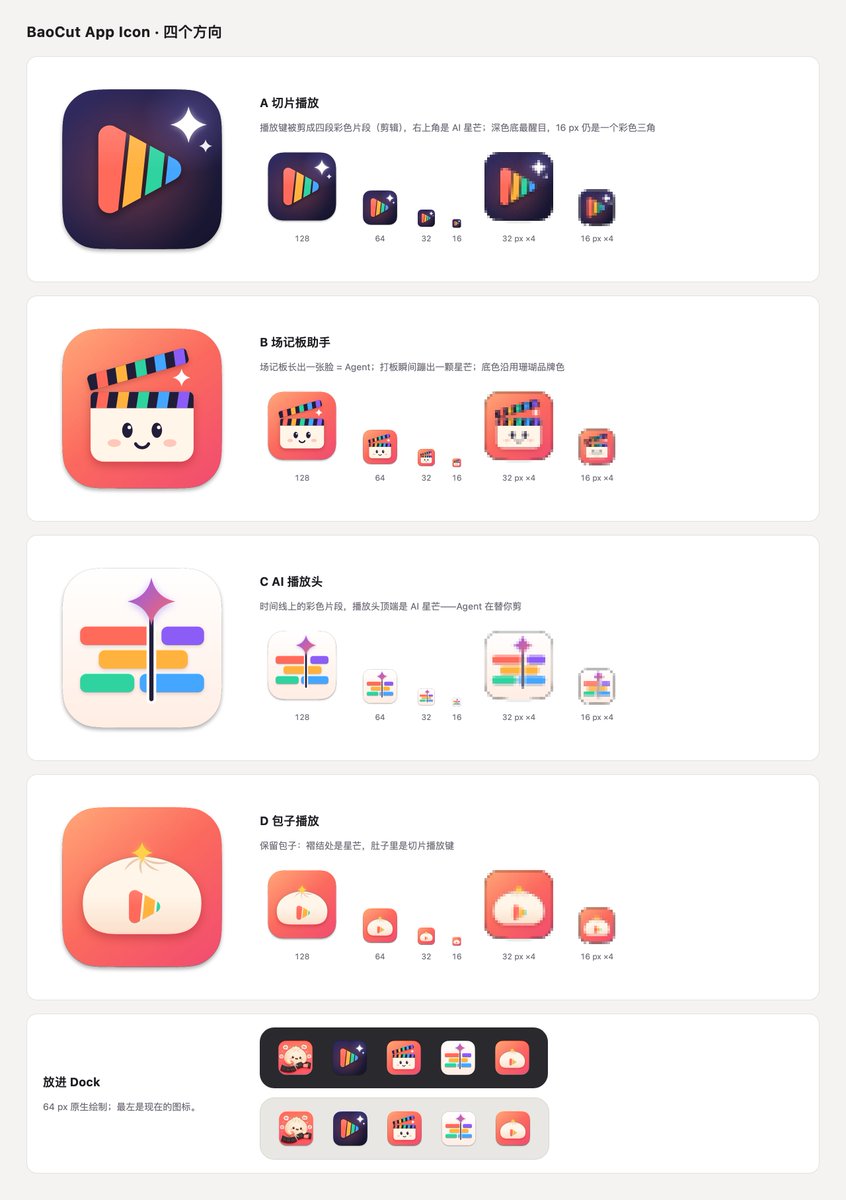
Opus 5.5 plus JS Canvas unlocks icon design freedom
Baoyu shares a workflow that has Opus 5.5 draw vector app icons frame by frame with JavaScript and Canvas, escaping the bitmap-only limits of image models.
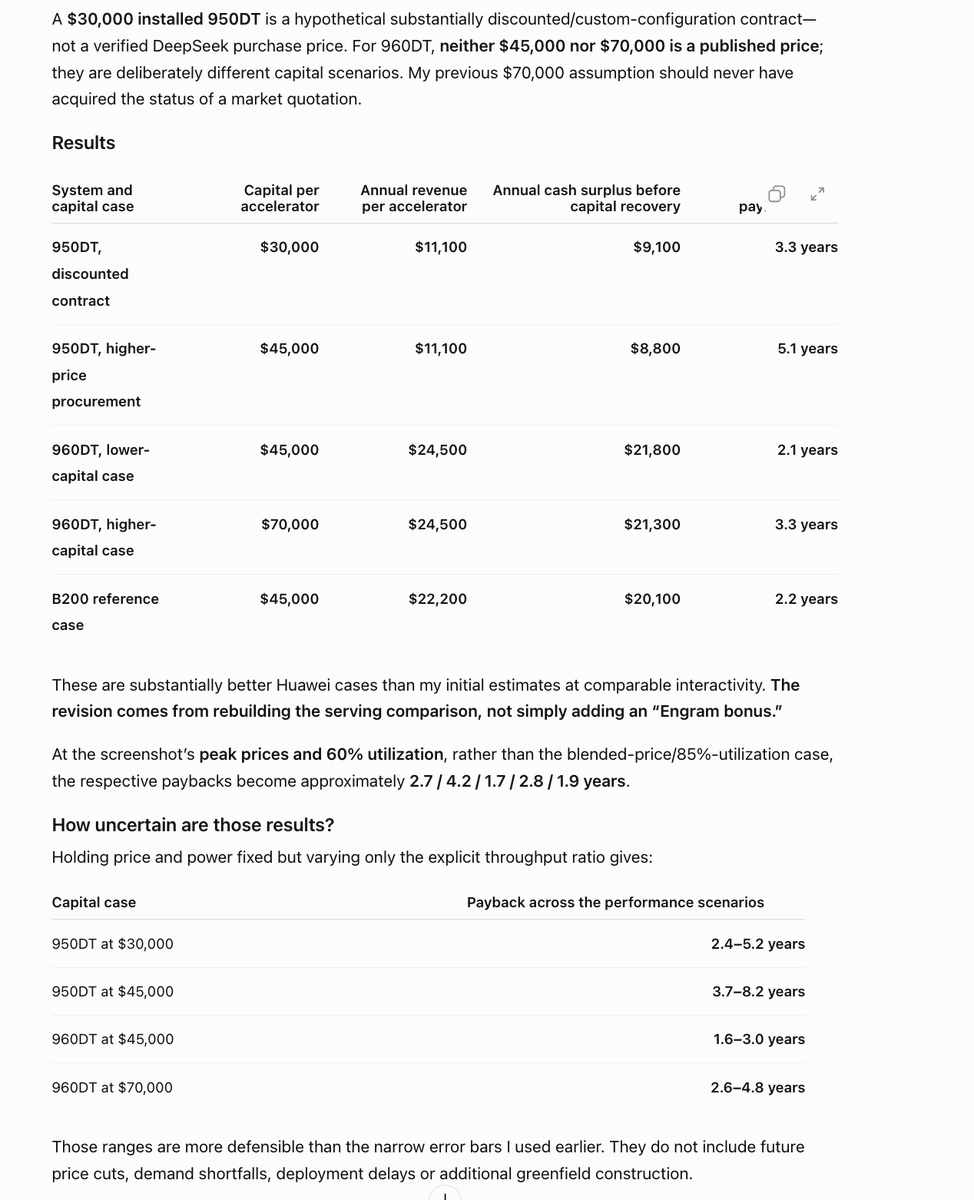
Astra questions DeepSeek's Huawei-hardware payback
Relayed by teortaxesTex, Astra's estimate suggests DeepSeek will struggle to profit on Huawei hardware within a reasonable period — let alone Liang Wenfeng's 10-month target — with accelerator cost the key variable.
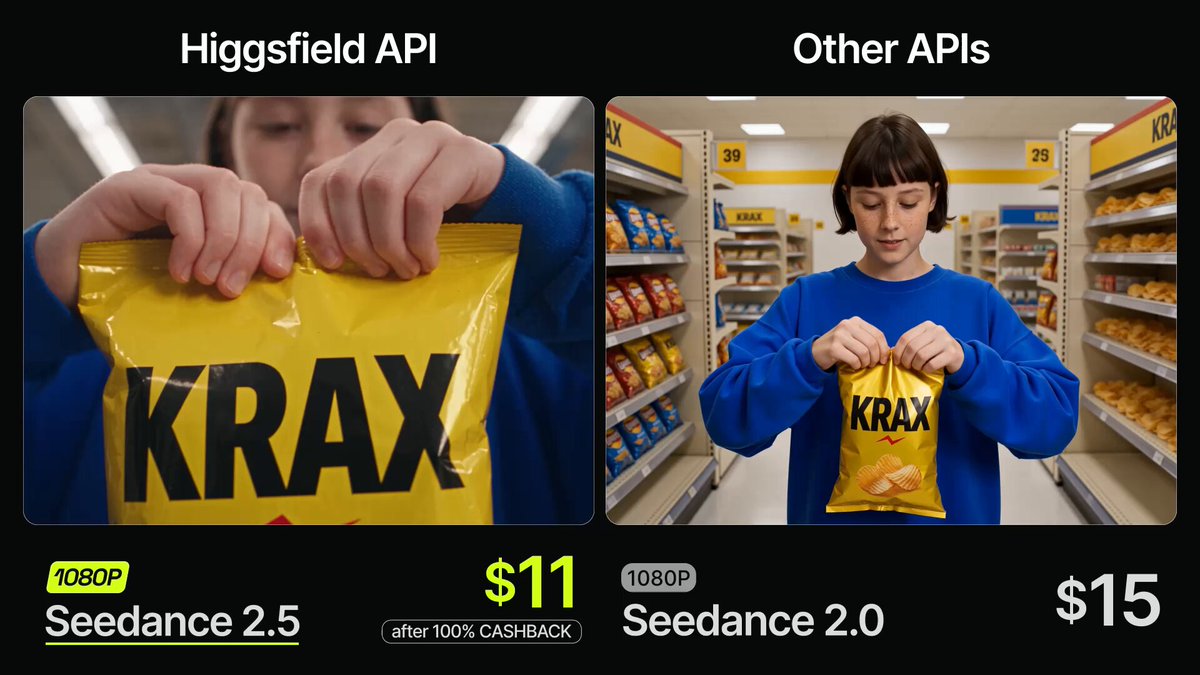
Higgsfield launches Seedance 2.5 in native 1080p
Higgsfield shipped a video-generation API on Seedance 2.5, claiming native 1080p and character consistency, with a limited-time 100% API-credit cashback promotion.

A Grok bot that generates Apple-style pet ads
venturetwins built a Grok bot that needs only a few pet photos and a description of personality and hobbies to produce Apple-style ads, and shared the usage link.
Spatial-Interactor learns spatial reasoning through interaction
New work introduces Spatial-Interactor, which learns spatial reasoning by interacting with an environment and builds spatial memory accordingly.
Imp ports DSPy's ideas to Elixir and the BEAM
The Imp project launched, bringing DSPy's declarative approach to self-improving language-model programming into the Elixir/BEAM ecosystem.
DSPy 3.4.0 adds native support for new models
DSPy 3.4.0 ships with native support for Jev and System One models, letting both be called directly inside DSPy pipelines.
Sakana AI's SAIL accepted at IROS 2026
Sakana AI Labs introduced Scaling In-Context Imitation Learning (SAIL), studying how in-context imitation learning scales; it will be presented at IROS 2026.
Don't give models templates — give goals and specs
Baoyu's takeaway: give a model objectives and constraints, not rigid templates. For video, you may not need Skills at all — just TTS, drawing tools, ffmpeg and a browser.
LLMs turned out to be the key to unlikely problems
Mollick on the strangeness of language models becoming the solution to problems that don't initially look like language problems at all.
Model personality matters beyond benchmarks
Mollick says Opus models lost their "Claude-y" feel around versions 4.7–5, but Opus 5.5 feels like the old Claude again — something benchmarks can't capture.
Matterport in a single prompt on Perplexity Computer
Aravind Srinivas demos generating a Matterport-style scene from a single high-effort prompt on Perplexity Computer.
Everything that can be automated will be automated
c_valenzuelab argues manual "chiseling" through code and knowledge work is economically finished; whatever can be automated eventually will be.
Models are good at magnitude; direction is still hard
_arohan_ notes closed labs also read arXiv and X for new ideas, and that models grasp magnitude well while choosing the right direction remains difficult.
A major revaluation of software companies is coming
François Fleuret predicts the first "nuclear-level" revaluation of software company market caps is imminent — and says it won't be pretty.
Sound is still Claude video's weak spot
Pieter Levels says the one thing Claude still lacks in video is audio, with synthesized sound clearly weaker than the visuals it now produces.
Are there languages tailored for LLMs yet?
François Fleuret asks whether any project is designing programming languages specifically for LLMs to author and reason over.
Can a cognitive entity control its own information feed?
Fleuret poses a fundamental question: can a cognitive entity exist if it has complete power over what it sees and reads.