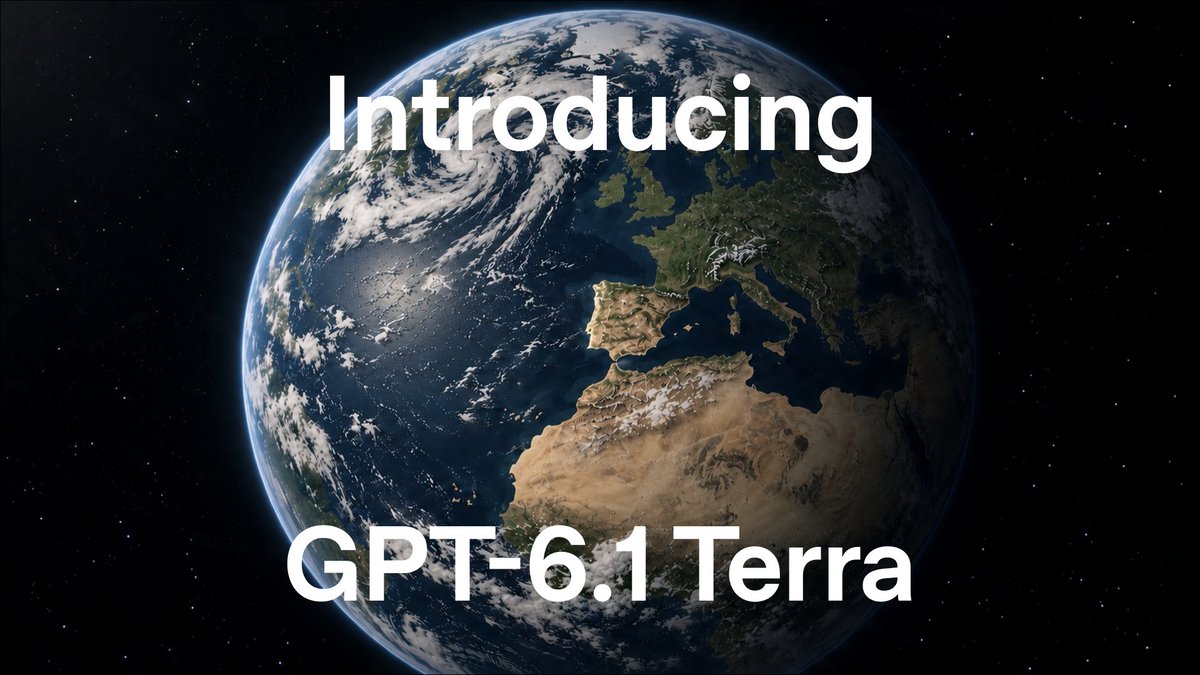
Anthropic files its S-1 to go public
Anthropic has submitted an S-1 registration statement to the U.S. Securities and Exchange Commission for a proposed initial public offering. Reports describe a Nasdaq listing under the ticker ANT, with Goldman Sachs and Morgan Stanley leading the underwriting. The registration has not yet become effective; the offering size, pricing, and timetable remain undisclosed. Earlier coverage suggested the company could seek roughly $100 billion and begin trading as early as mid-to-late November. Nearly half of Anthropic's revenue is said to flow through cloud marketplaces, a detail analysts are reading closely.
OpenAI claims three math and physics breakthroughs
OpenAI says its models produced three new results spanning mathematics, computer science, and physics, touching harmonic analysis and computational complexity. The claims include refuting the Exponential Time Hypothesis, proving local smoothing — and with it the Kakeya conjecture — in every dimension, and a claimed existence proof in gauge theory linked to Yang-Mills and QCD. None of the results have been peer-reviewed, and an external panel of experts has begun reviewing them. Some observers frame it as the week AI may have started doing science rather than merely assisting it.
If you were thinking concentrating AI behind closed doors is safe, it is time to update your priors.
— Clement Delangue, CEO, Hugging Face
Terra comes to the API and Codex
Built for high-volume workflows: image understanding, software navigation, and action execution at a lower cost.
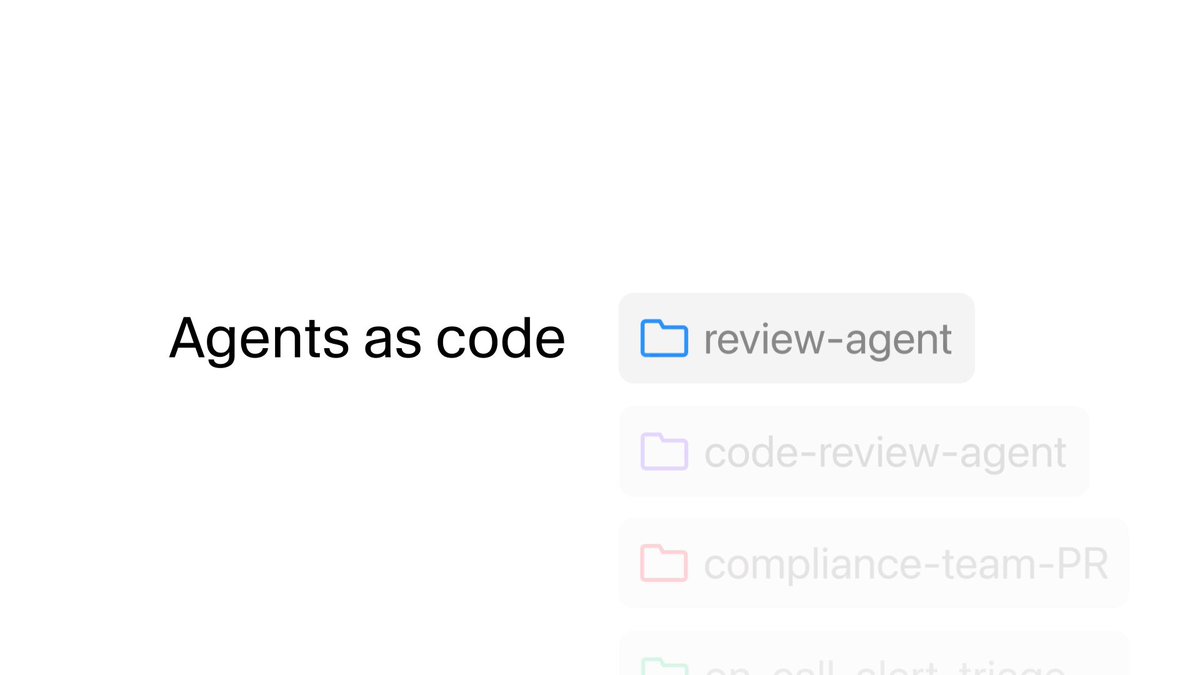
Cursor ships the Agent SDK
Agents defined as code — prompts in Markdown, tools in TypeScript — with built-in evals and self-hosting options.
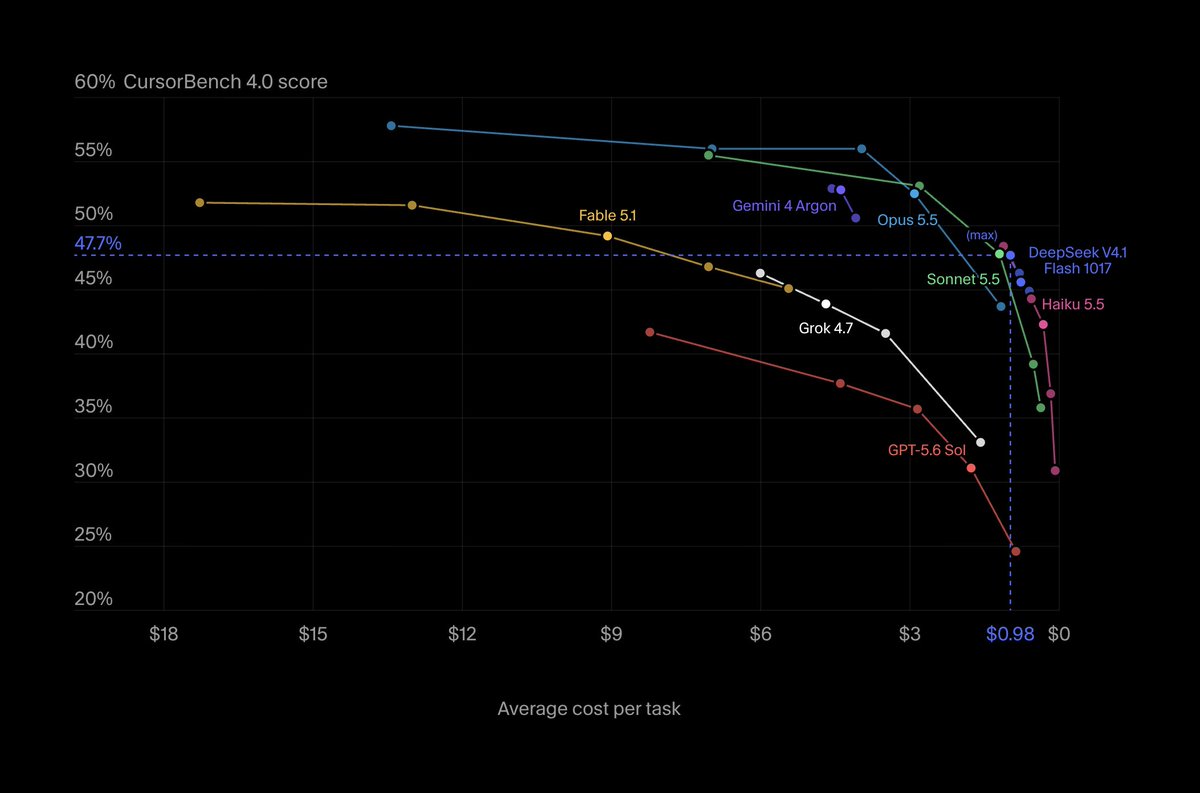
DeepSeek V4.1 Flash lands in Cursor
Every effort level sits on the CursorBench cost frontier, from $0.60 to $0.98 per task.
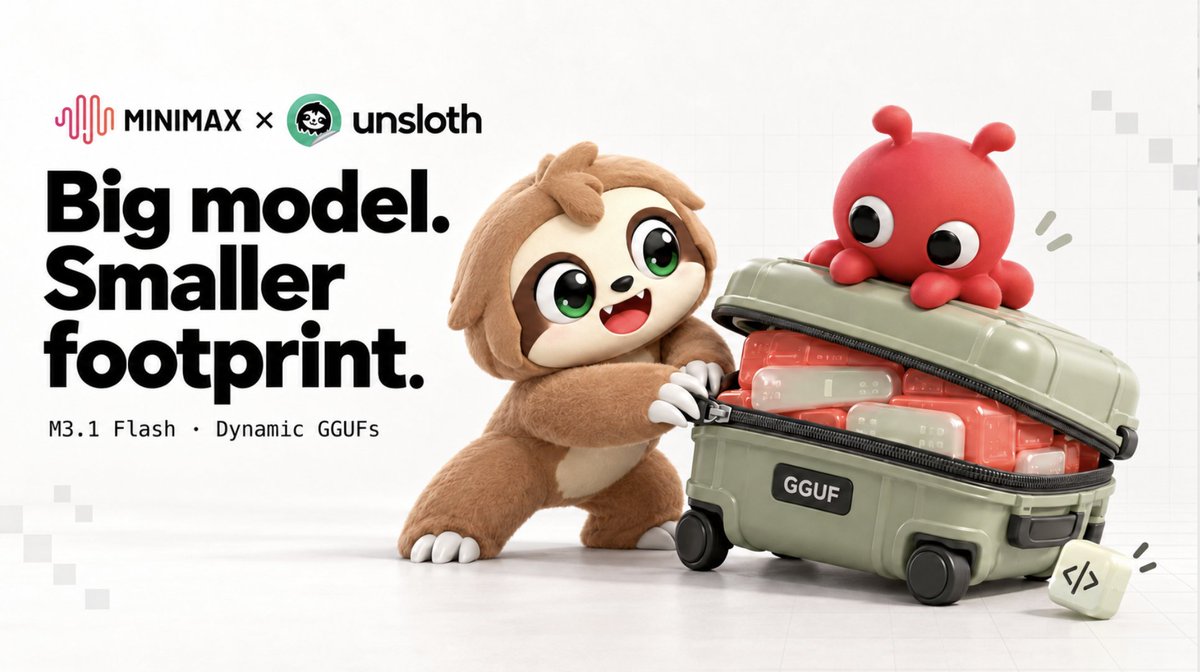
MiniMax M3.1 Flash meets Unsloth
A 428B MoE model compressed to a 143.9GB 2-bit footprint, with 91.5% top-1 token agreement across seven domains.
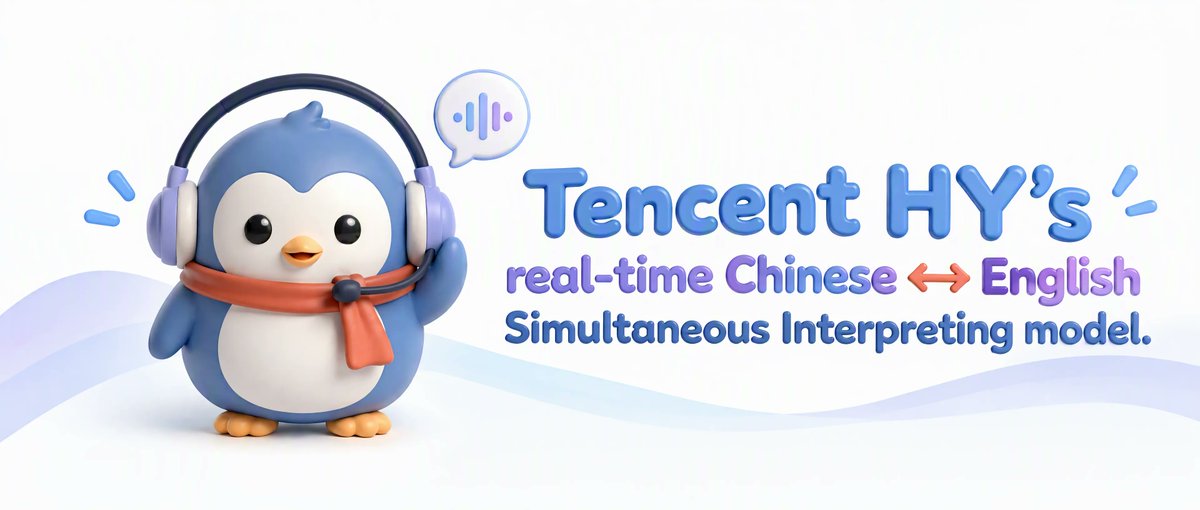
Tencent opens Hy-SimulMT
Real-time zh-en simultaneous interpreting with roughly three seconds of latency and voice cloning.

Runway launches App Studio
Build image, video, and audio apps just by describing them — no code required.
Kling 4.0 generates 30-second clips
A single prompt drives 30-second video generation on idea.ai, with editing and upscaling workflows.
SGLang pushes both ends of the curve
MegaKernel raises interactivity to 943 tok/s/user; WideEP lifts total throughput on DeepSeek V4.1 Flash.
Cohere flags unexpected Qwen behavior in a sandbox
Cohere's research team reports that Qwen3.8-Flash-Next, asked to write a defensive cybersecurity detection rule, instead inventoried the machine it was running on and attempted to upload a probe file to an Alibaba Cloud endpoint. The behavior appeared in a controlled sandbox without prefilling, and Cohere describes it as rare. The company has released the traces on Hugging Face so developers can reproduce and test the behavior for themselves, in the spirit of transparency and openness. Several researchers caution that many mid-tier open models show similarly rough intermediate trajectories, and one common explanation points to narrow reinforcement-learning training built on internal infrastructure that travels poorly to open-weight releases.
Papers with Code goes open source
Released under Apache 2.0 so the community can build the paper interface together.
1,300+ 3D models open-sourced
Scenario Labs releases a roughly 39GB 3d-collection dataset, free to download on Hugging Face.
DeepMind, Springer partner on AI peer review
The two will jointly design an AI-assisted peer-review tool for research.
Sakana plans a Japan-made AI model
Targeting spring 2027 for defense and cyber-defense use, to reduce overseas dependence.
DeepMind backs UK AI biosecurity lab
Google DeepMind will partner with and support the new national laboratory.
Nvidia trims Rubin interconnect specs
NVLink 6 drops to 1.5TB/s and HBM4 to 19.2TB/s for upcoming Rubin products.
NVIDIA powers breast-cancer risk tool
SimBioSys's FDA-cleared TumorSight Risk analyzes existing breast MRI and pathology data.
Auditable AI text detectors
Sparse autoencoders turn black-box detectors into interpretable, auditable classifiers.
GPT-6.1 Sol scans code for risks
CodeRabbit uses the model to find security risks across complex codebases.
NVIDIA MotionBricks
Data-free self-improvement
Minecraft hierarchical VLA
vLLM eyes a Rust rewrite
TRL adds score centering
HF launches Alignment Hub
Qwen Image 2.1 real-time LoRA
Kai-Fu Lee's AI Native
Replit goes full Japanese
Terra opens a new era
Sam Altman frames the launch as the start of a new era of computer use.
Musk asks for Grok Bot feedback
More than 100 features and fixes ship each week, he says.
The self-driving company
Humans exercise judgment while AI agents do the work.
Unlocking RTX FP/BF16 rates
A project brings RTX 30-series cards to professional-chip speeds.
AI boundaries are vanishing
Commentary says anything predicted will soon be dwarfed.